
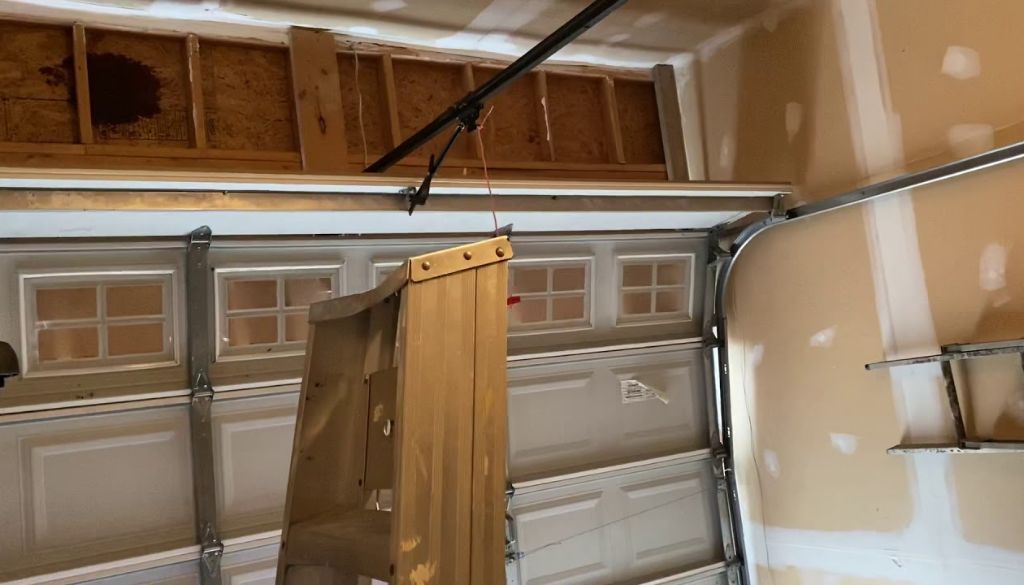
A garage door that slams shut without warning is more than an annoyance — it’s a serious safety hazard. Whether it drops suddenly or closes too fast on the way down, the impact can damage your vehicle, crack your flooring, snap the door panels, and seriously injure anyone nearby. On the Gold Coast, where humidity and salt air accelerate wear on mechanical components, this kind of problem tends to come on faster than homeowners expect.
The good news is that most slamming garage doors have identifiable causes — and once you know what’s behind it, you can take the right steps to fix it safely.
Why a Garage Door Slamming Shut Is Dangerous
A standard sectional or roller garage door can weigh anywhere from 40 to 100 kilograms depending on its size and material. That’s a significant amount of weight moving under gravity alone if the counterbalance system fails.
Hard closings damage more than just the door. Repeated impact stress on the bottom panel, floor track, and opener mechanism shortens the life of all those components. Over time, a slamming door can crack the concrete floor beneath the seal, strip opener gears, and bend the bottom bracket beyond repair.
Most critically, a door that drops without warning signals a failure in the lift or counterbalance system — the very components designed to keep your door stable and controlled throughout its travel. Ignoring this symptom doesn’t make it go away; it typically makes it worse.
If you’ve already noticed uneven door movement, strange noises, or other performance issues, our garage door troubleshooting guide covers a broader range of common problems and how to diagnose them.
Immediate Steps to Take if Your Garage Door Slams Shut
Before doing anything else, take these steps the moment your garage door slams:
Stop using the door immediately. Continuing to operate a door with a failing counterbalance system risks complete component failure, panel damage, or injury. Manually close it if it’s in the open position and leave it closed until the problem is assessed.
Clear the area around the door. Keep children, pets, and vehicles out of the garage entry zone. A door under load imbalance can close again without warning.
Disconnect the opener. Pull the red emergency release cord hanging from the opener rail to disengage the door from the motor. This prevents the opener from attempting to cycle a door it can’t safely move. If you’re unsure whether your opener is contributing to the problem, the manufacturer’s manual will cover how to safely disable it.
Most Common Causes of a Garage Door Slamming Shut
A slamming garage door almost always traces back to the counterbalance system or a component in the lift system. Here’s what to look for.
Broken or Worn Springs
Springs do the heavy lifting. In a properly balanced garage door system, the springs bear most of the door’s weight so the opener only needs to guide the movement — not carry the load.
Torsion springs sit horizontally above the door opening on a steel shaft. Extension springs run along the horizontal tracks on either side. When either type fails, the door suddenly becomes its full dead weight, dropping at speed rather than lowering in a controlled arc.
Signs of spring failure include a loud bang or crack (the sound of a spring snapping), visible gaps in the torsion spring coil, or a door that feels extremely heavy when you try to lift it manually. Spring replacement is a job for a licensed technician. These components are under high tension and can cause serious injury if handled incorrectly.
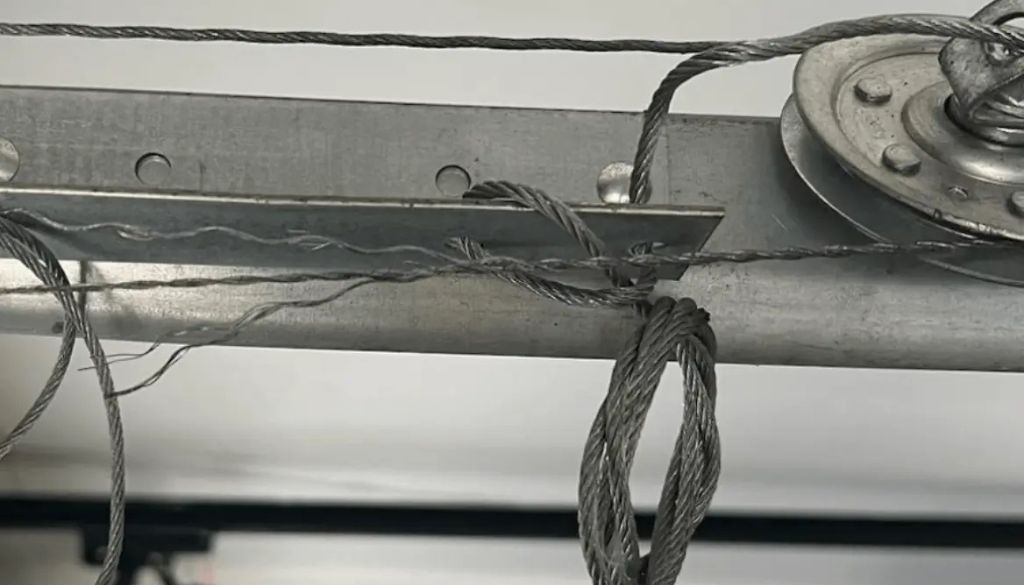
Damaged or Frayed Lift Cables
Lift cables run from the bottom bracket on each side of the door, up and around the cable drum near the spring shaft. They work in tandem with the springs to provide balanced, even movement across the full width of the door.
When a cable frays or snaps — often the result of corrosion, wear at the drum, or stress from an imbalanced spring — one side of the door drops faster than the other. You’ll notice the door tilting or dropping on one side before the rest follows. Left unaddressed, this causes the door to bind in the tracks, putting additional stress on the opener and rollers.
Misaligned Tracks or Worn Rollers
The door runs on vertical and horizontal tracks with rollers guiding each panel. If a track section is bent, loose, or out of alignment, the rollers can bind and then release suddenly — creating that sharp, slamming drop near the bottom of travel.
Worn nylon or steel rollers don’t roll smoothly. Instead, they create friction, slow the door mid-travel, and then let it fall the remaining distance. Hardware looseness — particularly in the mounting brackets — amplifies this problem quickly.
Proper track alignment also matters for overall door performance beyond just slamming. If your property is on a sloped block, the door’s alignment requirements can be more complex — something covered in detail in our post on garage door installations on a slope.
Incorrect Opener Settings
Garage door openers have two adjustable settings that directly affect closing behaviour: force limits (how hard the motor pushes) and travel limits (where the door stops in its open and closed positions).
If the close travel limit is set too long, the door reaches the floor and the opener continues pushing — forcing the door hard into the ground. If the force limit is too high, the opener powers through resistance rather than stopping safely. Both scenarios create that hard-slam impact at the bottom.
Most modern openers have adjustment screws accessible from the motor housing. Consult the manufacturer’s documentation for your specific model before making any changes, and adjust in small increments.
Simple Troubleshooting Steps Homeowners Can Try
Some checks are safe to perform without tools or technical experience.
Perform a counterbalance test. Disconnect the opener using the emergency release cord. Manually raise the door to waist height and let go. A properly balanced door should stay in place, or drift only slightly up or down. If it drops quickly to the ground, the springs are either broken or significantly under-tensioned.
Inspect visually — don’t touch under load. Look at the springs for gaps or visible breaks. Check the cables for fraying, kinking, or slack. Look along the tracks for bends, loose bolts, or sections pulling away from the wall. If anything looks obviously wrong, stop there and call a technician.
Check and adjust opener settings. If the door only slams in the last few centimetres of travel — not through the full arc — the close travel limit may be the only issue. Adjust it incrementally and test. If the slamming happens throughout the closing motion, the counterbalance system is the more likely culprit.
When to Call a Professional Garage Door Technician
Some repairs are squarely in DIY territory. Spring and cable work is not.
If your counterbalance test shows the door drops under its own weight, the springs need replacement. This is a specialised job requiring proper tools, tension calculation, and safety protocols. The same applies to cable replacement — cables under tension can snap back with serious force.
Call a professional if:
- The door drops when you release it manually
- You can see a broken coil, gap in the spring, or frayed cable
- The door tilts to one side during closing
- The slamming has been happening repeatedly, not just once
- The door has become difficult to lift manually
The team at A1 Garage Doors Gold Coast handles spring replacements, cable repairs, track realignment, and opener recalibration across the Gold Coast. Call us on (07) 5515 0277 to arrange a same-day assessment.
How to Prevent a Garage Door From Slamming in the Future
Once the immediate issue is fixed, regular upkeep is what keeps it from returning.
Lubricate moving parts every six months. Apply a garage door–specific lubricant (not WD-40) to the rollers, hinges, and springs. This reduces friction, extends component life, and helps the counterbalance system work at its designed tension. Gold Coast’s coastal humidity accelerates metal corrosion, so consistent lubrication matters more here than in drier climates.
Perform an annual counterbalance check. Once a year, disconnect the opener and do the waist-height balance test. A door that holds position is a healthy door. One that drops needs attention before it becomes a slam risk.
Book an annual professional inspection. A technician can spot fraying cables, tensioning issues, and track misalignment before they become failures. An annual service — typically covering lubrication, hardware tightening, spring tension check, and opener calibration — is significantly cheaper than emergency repairs.
Check for sealing and weather strip wear. A worn bottom seal or gaps around the door can also affect how the door closes, particularly if wind creates pressure changes beneath the door. Keeping seals in good condition contributes to a smoother, more controlled close. For related reading, see our post on fixing garage door gaps for energy efficiency.
Good thermal performance and proper door operation often go hand in hand — if you’re looking at a full door upgrade, our garage door insulation guide is a useful starting point.
Garage Door Symptom vs. Likely Cause
| Symptom | Most Likely Cause |
|---|---|
| Door drops instantly when released | Broken or failed springs |
| Door tilts on one side while closing | Frayed or broken cable on one side |
| Door slams only in the last few centimetres | Opener travel limit set too long |
| Door binds mid-travel then drops | Track misalignment or worn rollers |
| Loud bang heard before slamming | Spring snapped under tension |
| Door heavy to lift manually | Spring failure or extreme tension loss |
Safety Checklist After a Garage Door Slams Shut
- Stop operating the door immediately
- Clear the area of people and vehicles
- Disconnect the opener via the emergency release cord
- Perform a visual inspection of springs, cables, and tracks
- Complete a manual counterbalance test
- If any component looks damaged, call a licensed technician
- Do not attempt spring or cable repairs without proper training and tools
Frequently Asked Questions
Why does my garage door slam shut when closing?
The most common cause is a failure in the counterbalance system — usually a broken or under-tensioned spring. Without proper spring support, the door falls under its full weight rather than lowering in a controlled arc. A damaged cable on one side, worn rollers binding in the track, or incorrect opener force settings can also produce a slamming action.
Can I fix a slamming garage door myself?
Some causes — like adjusting opener travel limits or lubricating rollers — are safe for homeowners to address. However, spring and cable repairs involve components under significant mechanical tension and should only be handled by a licensed garage door technician.
Is a slamming garage door dangerous?
Yes. A door dropping under its own weight can cause serious injury to people or pets in the closing zone, damage vehicles, and crack flooring. It also signals a mechanical failure that will worsen with continued use.
Can broken springs cause a garage door to drop?
Yes. Springs carry most of the door’s operational weight. When a torsion or extension spring breaks, the door loses its counterbalance and can fall rapidly. This is one of the most common causes of sudden slamming.
Should I stop using the door if it slams shut?
Absolutely. Stop operating the door, disconnect the opener, and arrange an inspection. Continuing to use a door with a failing counterbalance system risks further damage and puts anyone near the opening at risk.
Get Your Garage Door Fixed Right on the Gold Coast
A slamming garage door isn’t something to monitor and hope improves. It’s a mechanical failure that needs attention before it causes injury or further damage to your door system.
A1 Garage Doors Gold Coast provides spring replacement, cable repair, track realignment, opener servicing, and full door inspections for residential and commercial properties across the Gold Coast. Our technicians carry the parts and tools to resolve most jobs in a single visit.
Call us on (07) 5515 0277 or contact us online to book your assessment.
