
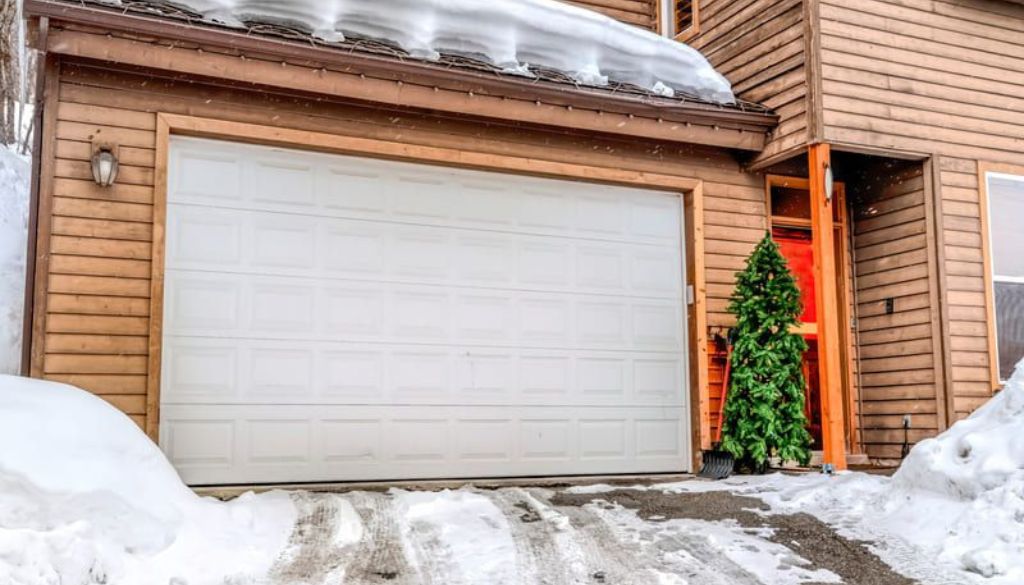
Winter on the Gold Coast is mild compared to most of Australia’s southern states, but Queensland does get its cold snaps — and if you have family or a second property in a colder region, or if you’re simply looking ahead to the cooler months, a frozen garage door is one of those problems that catches homeowners completely off guard.
One moment your door opens perfectly. The next morning it won’t budge. You hit the button, the opener motor strains and groans, and nothing happens. It’s frustrating, and if you force it, it’s expensive. Understanding why garage doors freeze — and what to do before and after it happens — saves you that stress entirely.
This is a practical rundown of the causes, fixes, and preventive steps that keep your garage door moving freely through winter, with clear guidance on what you can handle yourself and when it’s smarter to call in a professional.
Why Garage Doors Freeze in Winter
A frozen garage door isn’t random bad luck — it’s the result of specific conditions that interact with your door’s components in predictable ways. If you notice your garage door slow closing, it could be a sign that cold weather is affecting the opener, springs, or tracks, and addressing the issue early can help prevent more serious winter-related problems.
The most common cause is ice bonding at the bottom seal. Overnight moisture from rain, condensation, or snow sits along the bottom of the door where it meets the concrete threshold. When temperatures drop overnight, that moisture freezes and effectively glues the rubber seal to the driveway. By morning, your door is locked to the ground with surprising force.
Beyond the seal, cold temperatures stiffen metal components throughout the door system. Rollers, hinges, tracks, and springs are all engineered with certain tolerances — tolerances that shift when metal contracts in the cold. A door that rolls smoothly at 20°C may bind and drag at near-zero temperatures.
Lubricants also behave differently in winter. Most standard garage door greases and oils thicken considerably in the cold, turning from smooth lubricants into drag-inducing paste on rollers and hinges.
Finally, worn or cracked weather stripping allows moisture to enter gaps around the door frame. That moisture then freezes inside the seal contact points or along the tracks, compounding the stiffness problem at every point.
Common Winter Garage Door Problems and Fixes
Frozen Bottom Seal
When the bottom seal bonds to the threshold overnight, do not force the door by repeatedly hitting the opener button. The motor will strain, and you risk burning it out or snapping a cable.
Instead, gently pour warm (not boiling) water along the base of the door to melt the ice bond. You can also use a purpose-made de-icer spray or carefully run a hair dryer along the seal. Once the ice softens, try the door manually before engaging the opener. Boiling water is a hard no — the sudden temperature difference can crack a concrete threshold.
After releasing the door, dry the seal and threshold as much as possible to prevent re-freezing before evening.
Hardened Lubricants and Grease
If your door is moving but sluggishly — grinding through its cycle rather than rolling freely — hardened lubricant is likely the issue. Wipe down the rollers, hinges, and tracks with a clean rag to remove old grease, then apply a silicone-based lubricant. Silicone spray remains effective in cold weather and won’t attract dirt the way oil-based products do. Avoid WD-40 for this purpose — it’s a solvent, not a lubricant, and it breaks down existing grease without replacing it.
If you’re not sure what’s on your door already or when it was last serviced, our garage door troubleshooting guide covers the most common signs that your door needs attention beyond a quick lubrication.
Contracted or Warped Metal
Cold contracts metal, and garage door components are no exception. Tracks can narrow slightly, causing rollers to bind. Panels can warp enough to create rubbing or misalignment.
Check the tracks for any visible bending or tightening, and listen for scraping sounds during operation. Loose hardware — bolts on hinges, track brackets, roller brackets — is also worth checking, as thermal contraction can loosen fasteners that were fine in warmer months. Tighten anything loose with a socket set and re-apply lubricant after.
Worn or Damaged Weather Stripping
Weather stripping that’s cracked, compressed flat, or pulling away from the door frame does two damaging things in winter: it lets cold air into your garage, and it creates gaps where moisture can settle and freeze.
Inspect the seals on all four sides of the door — bottom, top, and both sides. Replacement weather stripping is available at hardware stores and is straightforward to install on most door types. If you’ve also been noticing draughts or temperature loss inside, our post on fixing garage door gaps for energy efficiency covers the full range of sealing options in more detail.
Broken or Weak Springs
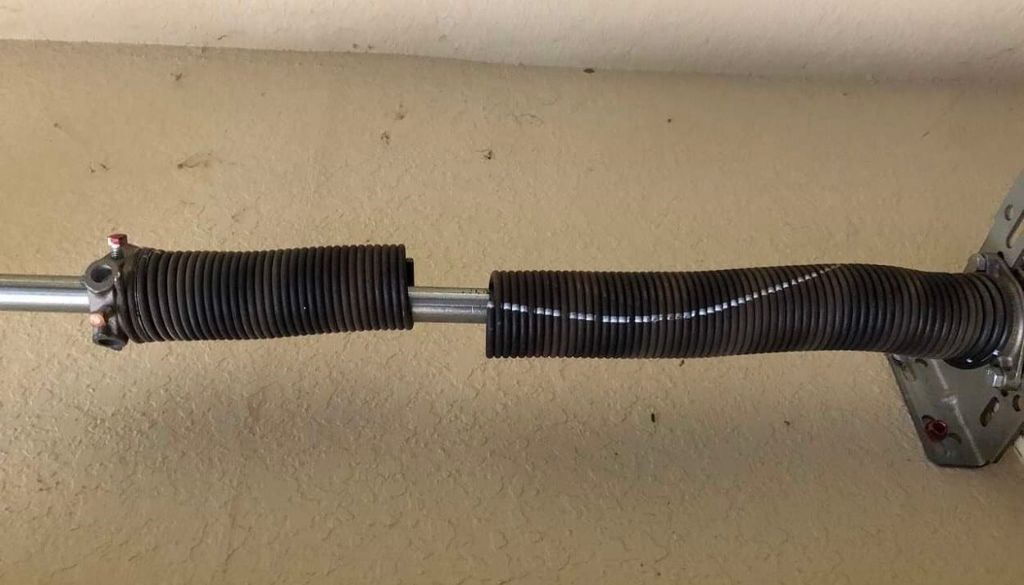
Torsion and extension springs bear the weight of your garage door, and they are most likely to fail in winter. Cold makes the metal more brittle, and a spring that was already weakened from wear will often snap in the first cold snap of the season.
If your door feels unusually heavy, drops faster than normal on the way down, or won’t open more than a few centimetres, a spring failure is a strong possibility. Do not attempt to lift the door manually or operate it under spring failure — the door can drop suddenly and cause serious injury. This is one job that always needs a professional. Contact the team at A1 Garage Doors Gold Coast on (07) 5515 0277 and we’ll assess and replace the springs safely.
Preventing Your Garage Door from Freezing Shut
The best approach to a frozen garage door is stopping it from happening in the first place.
Keep the Door and Surrounding Area Clear
Shovel or sweep snow, ice, and pooled water away from the base of the door before temperatures drop overnight. The less moisture sitting on the threshold, the less there is to freeze. Be cautious with road salt — it’s effective at melting ice, but it accelerates rusting on metal components and degrades rubber seals faster. Use a purpose-made de-icer rated as safe for concrete and metal, or simply keep the area as dry as possible.
Insulate Your Garage Door
An insulated door keeps the interior temperature higher, which means metal components contract less and the risk of ice formation at the seal is reduced. If your current door isn’t insulated, retrofit insulation kits are available for most panel types. Our detailed guide on garage door insulation covers the options, from foam panels to reflective foil, and which situations each suits best.
For a more comprehensive garage upgrade — turning your space into a functional year-round area — it’s worth also reading our piece on garage storage solutions, which pairs well with any insulation project.
Apply Silicone-Based Lubricant Before Winter Sets In
The ideal time to lubricate your garage door is before winter arrives, not after it has already seized. Apply silicone spray or lithium grease to the rollers, hinges, tracks, and torsion spring before temperatures drop. This pre-winter service takes less than 20 minutes and significantly reduces friction and ice formation on metal parts.
Check Door Alignment
A door that’s slightly out of alignment in warmer months will be worse in winter. Thermal contraction exaggerates any existing misalignment, causing the door to bind against the tracks or frame. If you notice uneven gaps along the sides when the door is closed, or the door looks like it’s sitting crooked in the opening, have it realigned before winter. This is a job for a professional — attempting to adjust tracks without experience can introduce new problems. If your garage door still struggles to open or close after clearing away ice and lubricating the moving parts, a garage door force adjustment may be necessary to ensure the opener applies the correct amount of pressure without damaging the system.
Consider a Garage Heater
In climates that regularly drop below freezing overnight, a small electric heater or ceiling-mounted radiant heater keeps the interior above freezing and prevents all the thermal contraction issues at once. For Gold Coast residents or those with properties in southern states, this is worth considering for any garage used as a workshop or living space.
DIY vs Professional Solutions
Several winter garage door fixes are genuinely manageable for a hands-on homeowner:
Clearing ice from the threshold, lubricating rollers and hinges, replacing worn weather stripping, removing snow and debris from around the door, and running a space heater — all of these are low-risk DIY tasks.
The jobs that belong to a professional are spring replacement, track realignment, opener motor assessment after strain damage, and full winterisation services that involve checking all mechanical components systematically. If your door has been struggling through repeated freeze cycles without maintenance, a professional inspection is worth arranging before things fail at the worst possible time.
The team at A1 Garage Doors Gold Coast handles all of the above across the Gold Coast and parts of Brisbane. Give us a call on (07) 5515 0277 or reach out through the site at goldcoastgaragedoorrepair.com.au.
Safety Tips for Winter Garage Doors
A few hard rules worth repeating:
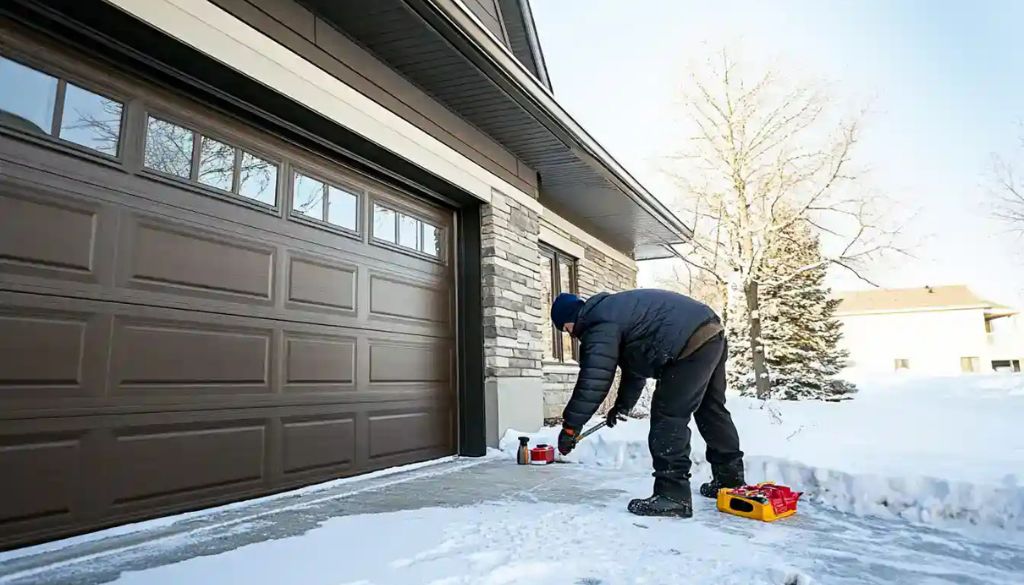
Never force a stuck garage door. If it won’t move, the motor grinding against a frozen seal will burn out the opener or snap a cable. Work on the ice first, then try the door.
Avoid boiling water on the threshold. It melts ice fast, but the thermal shock can crack concrete or damage the bottom seal itself.
Wear gloves when handling lubricants, de-icers, or metal components in cold weather.
Test the opener after any maintenance. After lubricating, defrosting, or adjusting anything, run the door through a full open-and-close cycle to confirm everything is moving correctly before relying on it.
FAQs
Why does my garage door freeze to the ground in winter?
Overnight moisture — from rain, condensation, or snow — collects along the base of the door. When temperatures drop, this moisture freezes and bonds the rubber bottom seal to the concrete threshold. The result is a door that’s effectively glued shut by morning.
How do I prevent a garage door from sticking in freezing weather?
The most effective prevention is keeping the threshold clear of moisture before nightfall, applying a silicone-based lubricant to all moving parts before winter, and ensuring your bottom seal and weather stripping are in good condition. An insulated door also helps by reducing the temperature differential between inside and outside.
Can I lubricate a garage door in cold temperatures?
Yes, but product choice matters. Silicone-based sprays and lithium grease remain effective in cold weather. Standard petroleum-based lubricants thicken and lose effectiveness. Avoid WD-40, which is a water-displacer rather than a true lubricant.
Should I install a heater in my garage for winter?
If your garage is regularly below freezing overnight and you use it as a workspace or store temperature-sensitive equipment, a heater is worthwhile. Even a modest electric heater that keeps the space above 5°C prevents most cold-related mechanical issues with your door.
How do I unfreeze a stuck garage door safely?
Pour warm (not boiling) water along the base of the door, or use a de-icer spray or hair dryer on the seal. Once the ice bond is broken, manually check the door moves freely before engaging the opener. Don’t use the opener to force a frozen door — you risk damaging the motor or snapping a cable.
The Smartest Winter Move Is Maintenance Before It Gets Cold
Frozen garage doors are preventable. A small amount of pre-winter attention — clearing moisture, lubricating moving parts, checking seals, and inspecting alignment — means your door handles cold snaps without missing a beat. If your garage door continues to stick or show signs of wear after cold weather, it’s best to schedule professional Garage door repairs Carrara to restore safe and reliable operation.
For anything beyond DIY maintenance, whether that’s spring replacement, motor checks after strain damage, or a full service before the cold months arrive, get in touch with A1 Garage Doors Gold Coast. We cover the Gold Coast and Brisbane, and we’re ready to help keep your door running safely year-round. Reach us on (07) 5515 0277 or visit goldcoastgaragedoorrepair.com.au.
