
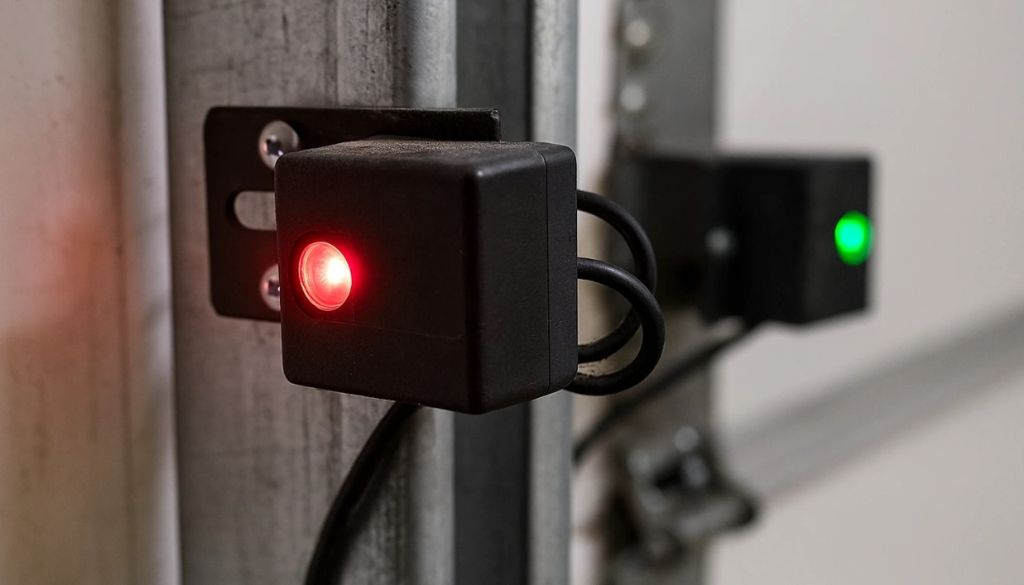
Garage door sensors are critical components that ensure safety in the operation of automatic garage doors. When they malfunction, it can lead to inconvenient and sometimes dangerous situations. Understanding how to troubleshoot common sensor issues can prevent potential hazards and keep your garage door functioning smoothly. This guide explores typical causes of sensor failure and offers step-by-step solutions tailored for garage door owners in Australia. By following these insights, you can resolve common problems swiftly and effectively, maintaining a secure and reliable garage door system at all times. Discover practical tips designed to enhance your peace of mind.
Brief Overview
Garage door sensors are essential for the safe and efficient operation of automatic garage doors. Malfunctions in these sensors can lead to safety risks and operational disruptions. This guide from A1 Garage Doors Gold Coast offers insights into diagnosing and troubleshooting common sensor issues, helping Australian homeowners maintain seamless garage door functionality. It covers environmental impacts, sensor alignment, and electrical connections, providing practical DIY steps alongside professional advice. Regular maintenance and a reliable power supply are emphasized to ensure the longevity and effectiveness of garage door systems, promoting a secure household environment.
Key Highlights
* Garage door sensors are crucial for safety, preventing accidental closures through an infrared beam detection system.
* Misalignment or obstruction of sensors often leads to malfunctioning, requiring routine checks and maintenance.
* Environmental factors like temperature, humidity, and wind can affect sensor functionality, necessitating regular inspections.
* DIY sensor repair involves alignment, cleaning, and checking power connections to maintain operational efficiency.
* Ensuring secure electrical connections prevents power disruptions that could impact garage door sensor performance.
What is a Garage Door Sensor and How Does It Work?
Garage door sensors are pivotal components in the functionality and safety of automatic garage doors. These devices, commonly known as safety sensors, ensure the secure operation of doors by preventing accidental closures. When properly aligned, garage door sensors use an infrared beam to detect obstructions, ensuring the door reverses if anything is in its path. This mechanism relies on the harmonious operation of the garage door opener and the sensitivity of the sensor’s photo eyes. Understanding how these sensors function can help you identify and troubleshoot common sensor problems, leading to safer and more reliable garage door performance.
| Component | Function | Common Issues | Maintenance Tips |
|---|---|---|---|
| Photo-Eye Sensors | Detect obstructions to prevent door from closing on objects or people. | Misalignment, dirt accumulation. | Regularly clean lenses and ensure proper alignment. |
| Wall Unit Control Sensor | Provides a manual control point for operating the garage door. | Wiring issues, non-responsive buttons. | Check connections and replace batteries as needed. |
| Remote Control Sensor | Allows remote operation of the garage door from a distance. | Weak signal, battery drain. | Replace batteries regularly and ensure clear signal paths. |
| Safety Reverse Sensors | Triggers the door to reverse if it contacts an object during closing. | Faulty wiring, obstruction by debris. | Periodically check for obstructions and test reversing mechanism. |
This table encapsulates how crucial components and maintenance routines converge to ensure the reliable operation of garage door sensors, essential for safety and performance.
The Importance of Door Sensors in Automatic Garage Doors
The integration of a garage door sensor into an automatic garage door system is not merely a convenience but a crucial safety feature. These safety sensors operate using an infrared beam, which forms an invisible path between two points: usually positioned on either side of the garage door. When this beam is interrupted, by an object, person, or even a pet, the sensor signals the garage door opener to halt and reverse the door’s motion. This reversing mechanism is central to preventing potential injuries and damage, reinforcing the indispensable nature of these sensors in maintaining safety standards.
The role of garage door sensors extends beyond simple opening and closing; they are vital in ensuring the smooth operation of doors over their lifespan. Sensors, or photo eyes, located on each side of the door, are finely tuned to detect even a slight misalignment or obstacle. When the infrared beam is broken, it triggers the reversing action, a function that not only accommodates safety but also prolongs the overhead door’s life by preventing unnecessary strain. It’s crucial for garage owners in Australia, where diverse weather conditions can be challenging, to ensure their sensors are properly maintained to avoid sensor problems that may arise due to wear and tear or environmental factors.
The automatic garage doors with well-maintained door sensors ensure reliable daily use. Issues often arise when these sensors aren’t aligned, become dirty, or experience electrical problems, leading to sensor troubleshooting. Regular cleaning of the photo eyes and checking that the sensors are aligned can prevent these issues. Additionally, ensuring a stable power supply to the garage door sensors helps in maintaining their functionality. If you encounter problems like doors not reversing, consider professional guidance to navigate complex sensor issues. At A1 Garage Doors Gold Coast, expert advice and service can keep your garage doors running seamlessly. Whether you need help with sensor alignment or addressing electrical interference, we’re here to safeguard your garage operations with confidence.
| Sensor Functionality | Safety Mechanism | Common Problems | Maintenance Tips |
|---|---|---|---|
| Detect obstacles | Prevents door from closing on objects | Misalignment | Regular alignment checks |
| Reverse door motion | Stops and reverses for safety | Dirty lenses | Clean lenses periodically |
| Emits infrared beam | Creates safety zone at door base | Wiring issues | Inspect and secure connections |
| Connects to control system | Automatically stops operations | Power outages | Check power supply and backups |
Common Signs of a Malfunctioning Garage Door Sensor
A malfunctioning garage door sensor can disrupt the seamless operation of your automatic doors, leading to safety concerns and repair needs. Recognizing the tell-tale signs of sensor problems is essential to maintain the functional integrity of your system. From unexplained door reversals to motion stoppages, these issues often stem from misaligned or obstructed sensors. By conducting regular checks and addressing any sensor problems promptly, you can avoid more extensive garage door repairs. This overview guides you through identifying issues through sensor lenses inspection, ensuring nothing obstructs garage door sensors and upholding their performance.
Identifying Issues Through Sensor Lenses Inspection
When dealing with garage door sensor issues, a close inspection of the sensor lenses is often the first step in troubleshooting. These lenses, also known as photo eyes, are pivotal in detecting obstructions that might hinder the proper closing of the garage door. A common issue arises when the sensor is dirty, affecting its ability to function correctly. Dust, grime, and other debris can settle on the sensor lenses, causing a misalignment of the invisible infrared beam that transmits between the sensor pairs. Regular inspection and cleaning can prevent these common problems from escalating into major malfunctioning situation.
One key area to inspect involves making sure there’s nothing blocking the sensor lenses. Objects blocking the path of these sensors can result in the door failing to close properly or randomly reversing direction due to perceived obstructions. It’s crucial to ensure that there are no objects blocking the sensors and the area around them remains free from clutter. Even small items, like leaves or coagulated cobwebs, can interfere, necessitating regular vigilance. Garage owners should aim to routinely check their garage door sensors, keeping them pristine to guarantee their effectiveness.
Additionally, the placement of garage doors and the surrounding environment play significant roles in sensor performance. The photo eyes can become misaligned due to vibrations, accidental bumps, or shifts in the garage structure. A sensor’s misalignment can cause significant problems, leading to unwarranted garage door repairs. To avert these issues, ensure the sensors are correctly aligned, which involves synchronizing the lenses perfectly to restore the uninterrupted path of the infrared beam.
Routine inspections of your garage door sensor, involving both cleaning and alignment checks, are vital to sustaining seamless garage door operations. Regular maintenance helps avoid the inconvenience of unexpected garage door failures, making sensor troubleshooting an essential preventive measure. When you inspect and maintain each door sensor meticulously, you’re fostering a household environment where automated doors function safely and reliably. At A1 Garage Doors Gold Coast, we emphasize proactive measures. If problems persist despite your efforts, expert consultation may be necessary to tackle complicated sensor issues confidently. If your sensors are working properly but your door still behaves unpredictably, scheduling a garage door tune-up can help identify and prevent underlying mechanical or electrical issues before they become major repairs.
Why Do Garage Door Sensors Fail?
Garage door sensors are key players in ensuring safety and functionality. However, their performance can be hindered by a variety of factors, leading to issues and malfunctions. Understanding why these sensors fail is crucial to maintaining the safety and reliability of your garage doors. Sensor issues often arise from environmental factors, misalignment, and wear and tear, all of which can compromise the infrared beam essential for detecting obstacles. Staying informed about the reasons behind sensor failure can help in tackling problems proactively and ensuring your garage door functions smoothly.
Impact of Environmental Factors on Door Sensor Performance
The performance of garage door sensors is significantly affected by environmental factors, which can lead to various problems and malfunctions. One crucial aspect to consider is how temperature extremes can affect sensor reliability. In Australia, where hot summers and cold winters are common, garages might face temperature fluctuations that cause sensor problems. Excessive heat or cold can cause the sensors to expand or contract, resulting in misalignment. This not only disrupts the infrared beam but also affects the sensors’ overall performance. Homeowners should monitor temperature changes and consider additional insulation to mitigate these effects.
Another environmental factor impacting sensor performance is humidity. Moisture can penetrate the sensors, causing corrosion or short-circuits, which may lead to failure. It’s important to ensure that your garage is properly ventilated to prevent excess moisture build-up. Installing a dehumidifier or using silica gel packs can also help maintain a dry environment. Regular inspection for rust or moisture intrusion is advisable to catch issues early before they escalate into significant problems.
Moreover, strong winds are known to cause issues by causing vibrations around the garage door area, which can lead to sensor misalignment. A misaligned sensor won’t communicate effectively with its partner across the garage door, resulting in a malfunctioning system. Checking the alignment after a storm or high winds is a preventive measure that can save you from unnecessary replacements or repairs. Wind protection structures or barriers around your garage area can also help in reducing the impact of wind on sensors.
Environmental factors such as dust and debris accumulation are often overlooked yet they pose serious threats to sensor longevity and performance. Dust can settle on the sensor lenses, obstructing the path of the infrared beam, which in turn causes the door sensor to direct the garage door to reverse or stop functioning altogether. Routine cleaning of the sensor lenses, particularly after dust storms or high-wind days, can prevent these issues. It’s a reliable way to prolong the life of your garage door system.
Ultimately, understanding the influence of environmental factors on garage door sensor performance is pivotal for garage owners. Regular maintenance, which includes cleaning, alignment checks, and environmental adaptations like insulation or moisture control, is the cornerstone of effective sensor troubleshooting. By addressing these issues, not only do you ensure the safety of your garage, but you also enhance the efficiency and the lifespan of your door’s sensors. At A1 Garage Doors Gold Coast, we’re committed to helping you maintain a safe and reliable garage environment. If you’re facing persistent sensor problems, don’t hesitate to contact us for professional advice and assistance.
After understanding the environmental challenges, here are practical tips for maintaining your garage door sensors in varying conditions:
* Regularly inspect sensors for misalignment and adjust as necessary after temperature fluctuations.
* Implement insulation solutions to preserve consistent internal garage temperatures throughout the year.
* Ensure adequate ventilation to prevent humidity-related sensor damage and malfunctions.
* Utilize dehumidifiers and silica gel packs to manage moisture levels effectively.
* Conduct frequent checks for dust accumulation and clean sensor lenses using gentle, non-abrasive materials.
* Set up wind barriers to minimize the effects of strong winds on sensor alignment.
* Routinely monitor for corrosion or rust on sensor components and address promptly.
Incorporating these practices will enhance sensor performance while extending their operational lifespan.
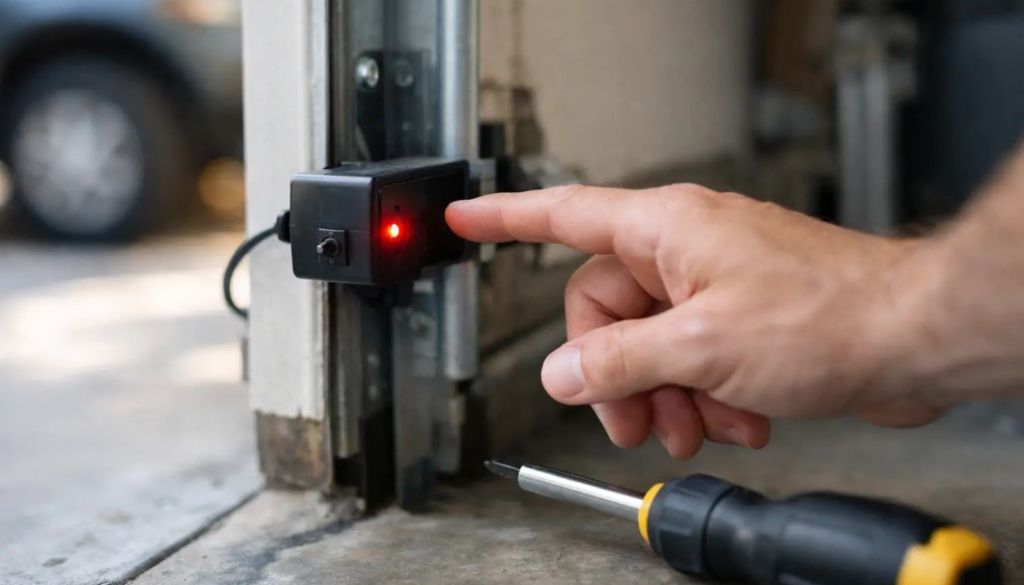
Sensor Troubleshooting: Diagnosing Garage Door Sensor Issues
Addressing garage door sensor issues is essential for maintaining the safety and functionality of your system. Diagnosing these problems early can save you from potential headaches down the road. In this section, we’ll guide you through determining the root causes of common sensor malfunctions and offer practical steps to solve them, ensuring your garage doors continue to operate smoothly. Whether it’s due to misalignment, dirt on the lens, or reversing sensors, our diagnostic approach covers everything you need for troubleshooting sensor issues yourself on a DIY basis.
| Issue | Possible Cause | Troubleshooting Step | Tools Required |
|---|---|---|---|
| Door Won’t Close | Sensors Misaligned | Realign the sensors | Level, Screwdriver |
| Intermittent Operation | Wiring Issues | Inspect and replace damaged wires | Wire Strippers, Multimeter |
| Sensors Not Lighting Up | Power Supply Problem | Check and secure power connections | Voltage Tester |
| Doors Reopens Immediately | Obstruction Detected | Remove any obstructions from sensor path | None |
This table encapsulates the DIY tactics for maintaining garage door sensors and underscores the importance of regular checks and updates for optimal performance.
Simple DIY Steps for Effective Sensor Repair
Embarking on a simple DIY journey to repair your garage door sensor issues is not only cost-effective but also empowering. The door sensor, a key component of your garage door system, often requires straightforward troubleshooting steps that homeowners can perform without professional help. A crucial first step in diagnosing any issues is to thoroughly inspect the sensor alignment, as improper alignment can disrupt the infrared beam necessary for safe and proper door operation. Aligning the sensors involves adjusting them such that the LED lights on both sensors are steady and without flickering, indicating successful alignment.
Moreover, cleaning the sensor lenses is a fundamental task in ensuring they function correctly. Dust, grime, and cobwebs can interfere with the sensor’s ability to detect the beam, leading to reversing problems. A gentle clean with a microfiber cloth can restore clarity to the lenses, allowing the sensors to perform optimally. Additionally, inspect the surrounding area for any obstructions. Small objects or debris in the sensor’s path can cause malfunctions, stopping the door or causing it to reverse unexpectedly. Removing these hindrances can drastically improve sensor performance.
Electrical connections should also be examined. Loose or damaged wires might disrupt the sensor’s power supply, leading to erratic behavior. Ensuring all connections are secure and free from corrosion can prevent such sensor issues from arising. If you notice any damaged wiring, it may be safer to contact a professional to handle repairs, thereby avoiding further damage or potential risks.
Furthermore, it may be beneficial to consider sensor replacement if typical troubleshooting doesn’t resolve the issues. Older or malfunctioning sensors can significantly diminish garage door efficiency and safety. Replacement is a viable option if troubleshooting points to irreparable sensor problems, providing an opportunity to upgrade to more advanced models that offer enhanced features and reliability. At A1 Garage Doors Gold Coast, we provide quality sensor solutions tailored to your door repair needs, ensuring your garage operates smoothly and safely.
Finally, a key aspect of sensor troubleshooting is testing the system after each repair step. Ensuring your garage door opens and closes correctly after adjustments reassures you that the problems are resolved. By following these DIY steps, you not only save time and cost but also enhance your understanding of your garage door systems’ workings. If issues persist, it’s advisable to seek professional guidance. With expertise from A1 Garage Doors Gold Coast, complex sensor problems can be swiftly and effectively addressed, restoring peace of mind and operational comfort to your household.
To ensure a successful sensor repair, consider these additional tips and reminders for a smooth and efficient DIY experience: – Double-check that the power source is securely disconnected before beginning any repair work to ensure safety. – Have all necessary tools and replacement parts on hand to prevent interruptions during the repair process. – Use a magnifying glass or proper lighting to examine small components and connections thoroughly for any signs of damage. – Label wires and connections before disassembly to simplify the reassembly process and avoid confusion. – Take clear photos of the initial setup to use as a reference when reassembling the sensor. – Test the sensor in a controlled environment after repair to ensure it functions correctly before full deployment. – Document any modifications or repairs for future reference or troubleshooting, maintaining a comprehensive repair log. By following these additional guidelines, you can enhance the longevity and efficiency of your sensor repair endeavors.
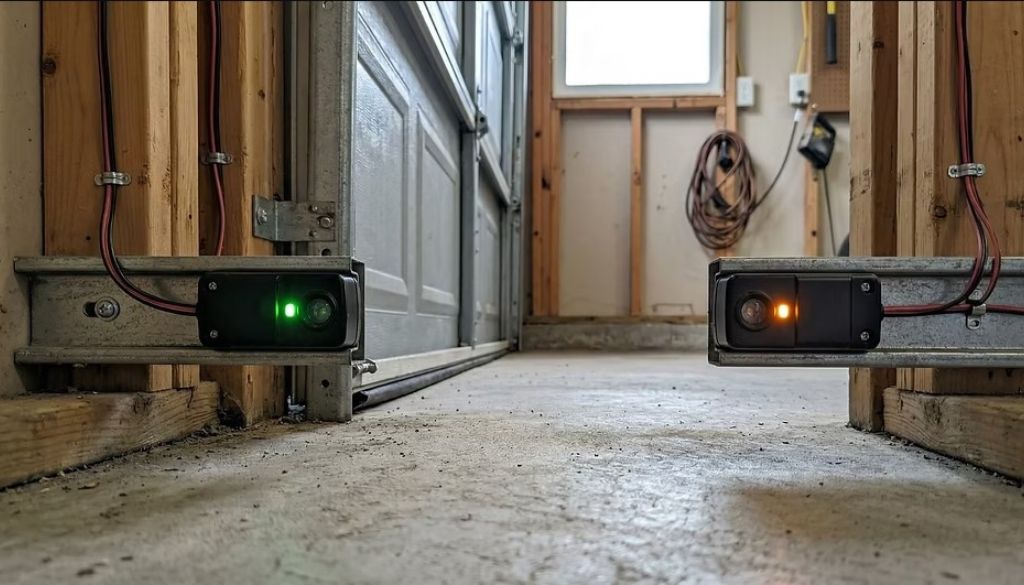
Ensuring the Power Supply to Your Garage Door Sensors
Garage door sensors play a paramount role in ensuring the safety and functionality of automatic garage doors. Ensuring a consistent power supply to these sensors is crucial to their performance and, consequently, the reliability of the entire garage door system. In most cases, power disruptions can lead to malfunctioning sensors, causing door operation issues. This guide will delve into the necessary steps to ensure uninterrupted power to your garage door sensors and highlight the importance of checking and securing electrical connections for optimal performance and sensor troubleshooting.
Checking and Securing Electrical Connections
Electrical connections act as the lifeline for garage door sensors, providing the necessary power required for their optimal functioning. One of the first troubleshooting steps involves meticulously checking and securing these connections to ensure the proper flow of electricity. It’s important to inspect both the power supply to the garage door opener and the individual connections leading to each sensor. Identifying and addressing issues like loose wires or corrosion at these points can prevent unexpected garage door problems and sensor malfunctions. Inspecting the power connections requires a systematic approach. Start by turning off the power to the garage door system to ensure safety during the inspection. Visually examine the wires for any signs of wear or damage. If you locate a disconnect or frayed wire, it’s crucial to undertake repair work immediately. This might involve replacing damaged sections or securing connections that have come loose over time. Furthermore, using a multimeter can confirm the electrical flow and help identify any breakages or inconsistencies in the power circuit.
The placement of your garage door and sensors can also influence electrical issues. For instance, if your garage is in a location prone to environmental stresses, such as excessive moisture or pests, these could affect the wiring. Addressing such environmental issues may mitigate future electrical problems. Ensure that all wires and connections are insulated and housed in conduit where possible to protect them from these factors. Another crucial step is validating the connection points between the garage door opener and the sensors, ensuring that both ends are tightly secured and free from rust or other obstructions that might compromise the power supply.
Securing the electrical connections extends beyond physical attachment. Engaging in regular maintenance checks can prevent emergent issues, ensuring your garage doors operate smoothly. This preventive measure is vital in identifying potential weak points in the electrical setup that, if untreated, could lead to more significant sensor problems. Moreover, replacing older wiring with modern, more durable alternatives can enhance system reliability, reducing the likelihood of sensor errors due to faulty electrical connections. While homeowners can usually conduct many checks themselves, don’t hesitate to contact a professional if problems persist. A comprehensive review and professional maintenance can save you from costly repairs down the line.
In conclusion, ensuring power to garage door sensors by checking and securing electrical connections is essential for smooth operation and reliability. Routine inspections and timely repairs can greatly reduce sensor troubleshooting needs, ensuring your garage doors function seamlessly. Should issues persist despite these efforts, professional assistance could be necessary to resolve complex electrical problems, safeguarding your setup for the long term. At A1 Garage Doors Gold Coast, we’re committed to providing the expertise needed to maintain your garage door systems’ efficiency and longevity. To help prevent sensor issues and other common garage door problems, follow a comprehensive garage door maintenance checklist to keep your entire system operating safely and efficiently.
| Key Action | Details | Potential Issues | Recommendations |
|---|---|---|---|
| Check Power Source | Verify that the power source connected to the sensors is active and stable. | Intermittent power supply can lead to sensor malfunction. | Regularly inspect and ensure all connections are secure. |
| Inspect Wiring | Evaluate all wiring connected to the sensors for any wear and tear. | Damaged wires can cause short circuits or power failures. | Replace damaged wires promptly to prevent disruptions. |
| Backup Power | Utilize a battery backup to maintain sensor power during outages. | Power outages can render sensors inoperative. | Invest in a reliable battery backup solution. |
| Regular Maintenance | Schedule routine maintenance to identify potential power issues early. | Neglecting maintenance can result in unexpected sensor failures. | Implement a periodic maintenance checklist focusing on power supply components. |
FAQs
How do I reset a garage door sensor?
To reset a garage door sensor, follow these steps:
1. Disconnect power to the garage door opener.
2. Clean the sensor lenses with a soft cloth.
3. Realign both sensors until the indicator lights are steady.
4. Reconnect power and test the door operation.
How do you know if a sensor is bad on a garage door opener?
Signs that a sensor may be malfunctioning include:
– The garage door doesn’t close properly.
– One or both sensor lights are off or blinking.
– The door reverses upon closing.
If these symptoms occur, consult a professional at A1 Garage Doors Gold Coast for a detailed inspection.
Should both my garage door sensors be green?
Generally, one sensor typically emits a green light (receiver), while the other emits an amber light (transmitter). If both sensors are not showing their standard colors, their alignment or functionality might be compromised.
Can I run my garage door without sensors?
Operating a garage door without sensors is not recommended due to safety concerns. Sensors are crucial for preventing injuries and ensuring smooth operations in automatic garage door openers.
What would cause a garage door sensor to stop working?
Several factors can cause a garage door sensor to stop working:
- Dirt or debris on the sensor lens
- Misaligned sensors
- Damaged wiring or connectors
- Faulty sensor components
Inspection and troubleshooting by A1 Garage Doors Gold Coast can solve most sensor issues.
Will unplugging my garage door opener reset it?
Unplugging the garage door opener will reset its electronic system. Doing so may help resolve certain issues, but it may not reset all settings or resolve deeper problems. For persistent issues, professional servicing is recommended.
