
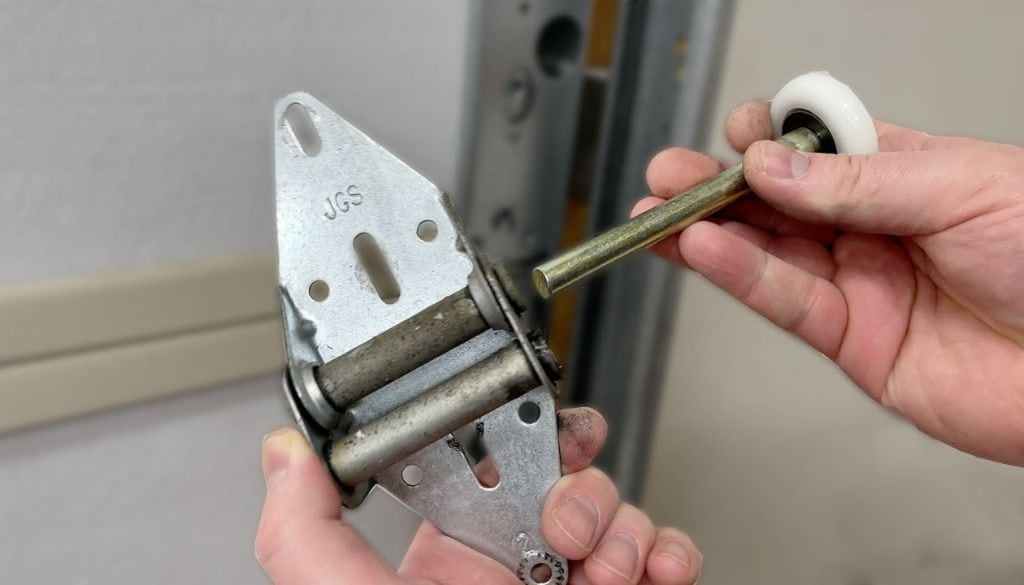
If your garage door has started making loud squeaks, shaking violently, or moving unevenly every time it opens or closes, chances are the problem lies with your rollers or hinges. Over time, these small but essential components wear down, causing your door to operate roughly, produce excessive noise, or even threaten the safety of your home.
The good news is that replacing garage door rollers and hinges is entirely doable for confident DIY homeowners — provided you follow the correct safety procedures. This comprehensive guide covers everything: safety precautions, tools, materials, part selection, step-by-step instructions, common mistakes to avoid, Garage Door Troubleshooting tips, and guidance on when to call a professional.
Why Garage Door Rollers and Hinges Wear Out
Garage doors operate thousands of times during their lifespan. Each opening and closing cycle puts stress on rollers, hinges, and tracks. Factors that accelerate wear include:
* Exposure to the elements (rain, humidity, dust, and dirt)
* Rust or corrosion on metal components
* Excessive door weight due to insulation or timber panels
* Poor lubrication or irregular maintenance
* Misaligned tracks causing uneven pressure
When these components degrade, you may notice:
* Loud squeaking or grinding noises
* Uneven movement or door “bouncing”
* Visible wobbling of panels
* Rollers popping out of the track
* Slower door operation
Replacing worn rollers and hinges restores smooth, quiet, and safe operation. Plus, it can extend the life of your entire door system.
Safety First: Essential Precautions
Before touching any part of your garage door, remember: garage doors are extremely heavy. Timber and insulated sectional doors, in particular, rely on torsion or extension springs under high tension. Mishandling these components can cause serious injury. If your garage door rollers or hinges are worn or damaged, learn more about garage door repair to understand when professional help may be needed.
Critical safety rules for DIY repairs:
1. Unplug the garage door opener. Never work on a powered system.
2. Work with the door in the raised (open) position. This reduces tension on the panels.
3. Clamp the track below the bottom rollers. Prevents panels from sliding down unexpectedly.
4. Do NOT remove the bottom bracket roller. It’s attached to lifting cables and springs.
5. Do NOT remove more than one hinge at a time. Keeps the door structurally stable.
6. Never tamper with torsion springs. Only licensed professionals should handle springs under tension.
If at any point you feel unsure, it’s safer to call a professional garage door repair service like A1 Garage Doors Gold Coast rather than risk injury.
For urgent situations involving cables or springs, check out our emergency repair guide: Emergency Garage Door Repairs
Stabilising the Garage Door
Before removing any rollers or hinges:
1. Fully raise the garage door.
2. Unplug the opener from power.
3. Place C-clamps directly under the bottom rollers on both tracks. This locks the door in place.
4. Disengage the opener using the manual release lever if necessary.
5. Use a ladder or board to support any panels showing sag or warping.
This setup minimizes spring tension and prevents panels from moving while you work. Always double-check that the door is secure before touching rollers or hinges. When rollers and hinges wear unevenly, the door often jams at a specific point in its travel — learn more about what causes a garage door to get stuck between panels and how to pinpoint the fault before it gets worse.
Tools and Materials Required
To replace garage door rollers and hinges safely, gather the following tools and materials:
* Replacement rollers (see next section for types)
* Replacement hinges
* C-clamps or locking pliers
* Socket wrench set
* Flathead screwdriver
* Pliers
* Hammer
* Ladder
* Scrap wood (to protect bolts or wood panels)
Tip: Bring your old roller or hinge to a hardware store to match the correct size and type. Rollers have different stem diameters, bearing types, and materials, so accuracy matters.
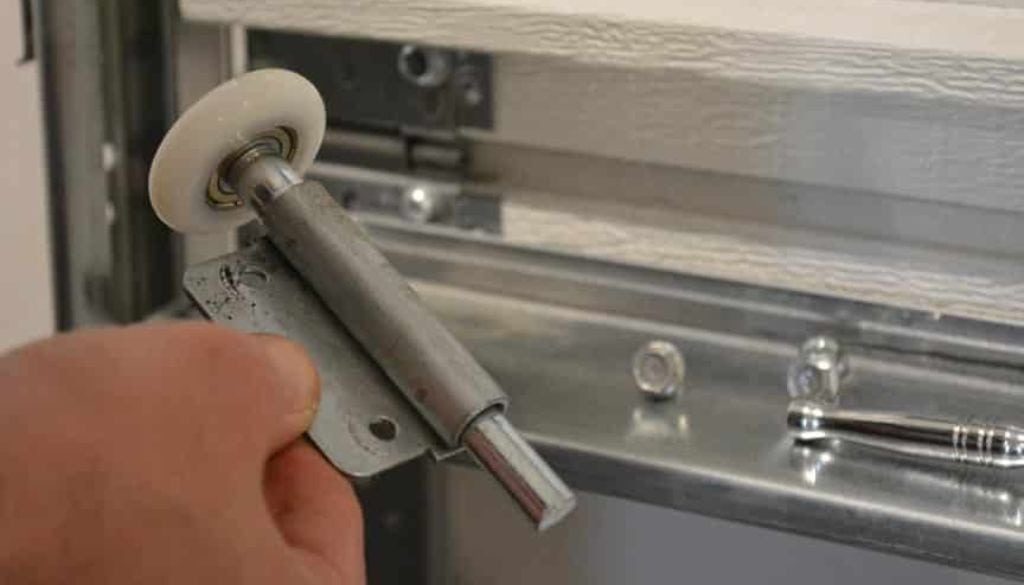
Choosing the Right Rollers and Hinges
Not all rollers are created equal. Selecting the right type affects noise levels, door smoothness, and durability.
| Roller Type | Noise Level | Durability | Best For |
|---|---|---|---|
| No-bearing steel | Loud | Low | Budget or rarely used doors |
| 7-ball bearing steel | Moderate | Good | Standard residential doors |
| 10-ball steel | Loud | Very durable | Heavy doors or high-use doors |
| Nylon rollers (7–9 in stem) | Very quiet | Excellent | Residential upgrades, smooth operation |
Nylon vs Steel:
* Nylon rollers: Quiet, smooth, and ideal for residential doors where noise reduction is a priority.
* Steel rollers: Extremely durable, especially for heavy or high-use doors, but tend to be noisier.
Most homeowners now upgrade to nylon rollers with zinc-plated stems for long-lasting, smooth performance. While this guide focuses on traditional metal and wooden doors, many of the same roller and hinge replacement techniques can also apply to Composite Garage Doors, offering durability with low maintenance
Step-by-Step: Replacing Garage Door Rollers
Replacing Middle Rollers (Between Top and Bottom Fixtures)
1. Unplug the garage door opener and secure the door with clamps.
2. Remove the hinge bolts using a socket wrench.
3. Angle the roller stem inward and gently slide it out of the track.
4. Insert the new roller into the hinge.
5. Angle the roller back into the track and ensure it seats correctly.
6. Reattach the hinge bolts and tighten them securely.
7. Replace one roller at a time to maintain door stability.
Important: Never remove the bottom bracket roller while cables are under tension. Doing so can result in serious injury. If the bottom roller is damaged, it’s safest to call a professional.
Step-by-Step: Replacing Garage Door Hinges
Removing the Old Hinge
1. Loosen nuts from the hinge bolts but leave the nut on the bolt. Tap gently with a hammer to protect threads.
2. Tip the hinge outward to disengage the roller.
3. Remove the hinge completely.
Installing the New Hinge
1. Insert the roller into the correct hinge hole.
2. Ensure the slotted end of the hinge faces upward.
3. Align the bolt holes carefully with the panel and track.
4. Tap carriage bolts fully into square holes.
5. Tighten using a socket wrench and manually check that the bolt is secure.
Carriage Bolt Tips:
* Carriage bolts have a rounded head with a square lip underneath to lock into wood panels.
* Tap the bolt fully into the original square hole to prevent spinning.
* If the bolt spins, grip it with pliers while tightening.
* Watch for wood rot around bolt holes — this may require panel repair before hinge replacement.
Signs You Need New Rollers or Hinges
Replace rollers and hinges if you notice any of the following:
* Loud squeaking or grinding noises
* Shaking, vibration, or uneven movement
* Rollers popping out of the track
* Visible rust or corrosion
* Sluggish door operation
* Warping or sagging panels
Roller lifespan: Typically 3–7 years, depending on usage, material, and maintenance.
If your garage door opener also seems to struggle, check our guide: Best Garage Door Openers Compared
Common Mistakes to Avoid
1. Removing multiple hinges at once — this can destabilise the door.
2. Forgetting to unplug the opener — safety hazard.
3. Not clamping the track before work — panels can drop suddenly.
4. Removing the bottom bracket roller without releasing tension — extremely dangerous.
5. Installing hinges upside down — causes alignment issues.
Following these precautions prevents accidents and keeps your repair straightforward.
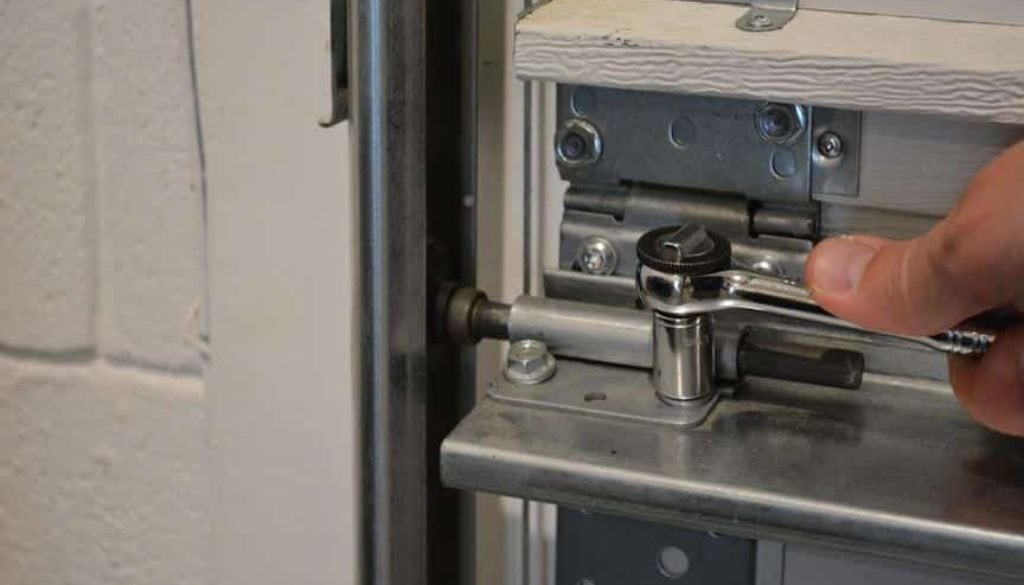
How to Re-seat a Derailed Roller
If a roller pops out of its track:
1. Unbolt the hinge connected to the roller.
2. Angle the roller back into the track.
3. Re-secure the hinge.
4. Test manually before reconnecting the opener.
If the track itself is bent or warped, it’s safer to call a professional repair service rather than attempt a DIY fix.
Final Testing and Adjustment
1. Remove all clamps.
2. Lower the garage door manually.
3. Check that panels align properly and move smoothly.
4. Re-engage the opener.
5. Run a full open/close cycle and observe operation.
Your door should move quietly, smoothly, and without wobbling. If not, further alignment or professional servicing may be required. If you’re upgrading your garage, our detailed Roll Up Garage Door Motor Installation shows step-by-step instructions for a smooth and safe setup.
FAQs About Garage Door Rollers and Hinges
Can I replace rollers and hinges at the same time?
Yes. In fact, it’s recommended if your hinges show visible wear while replacing rollers.
How long do garage door rollers last?
Typically 3–7 years, depending on material and door usage.
How often should I lubricate rollers?
Every 3–6 months with garage-door-specific lubricant.
Is DIY replacement safe?
Yes, as long as you follow safety precautions and avoid bottom bracket removal.
How much does it cost?
DIY parts cost around $50–$200, depending on the door. Professional servicing varies based on door type and labour.
When to Call a Professional
Contact a professional if you notice:
* Loose, frayed, or damaged cables
* Bottom bracket roller replacement required
* Torsion spring issues suspected
* Extremely heavy or off-balance doors
For fast, reliable, and safe garage door service across the Gold Coast, trust:
A1 Garage Doors Gold Coast
* Phone: (07) 5515 0277
* Address: 1 Waterford Ct, Bundall QLD 4217
* Operating since 2020 with strong local reviews
Book a service here: A1 Garage Doors Gold Coast
Conclusion
Replacing garage door rollers and hinges may seem intimidating at first, but with careful planning, proper tools, and attention to safety, it’s a manageable DIY project. Smooth-running rollers and sturdy hinges not only improve the door’s performance but also prolong its lifespan and reduce noise.
Always prioritise safety, avoid high-risk steps like removing bottom bracket rollers or tampering with springs, and don’t hesitate to call A1 Garage Doors Gold Coast for professional help when needed. With regular maintenance, your garage door can continue operating safely and quietly for years to come.
