
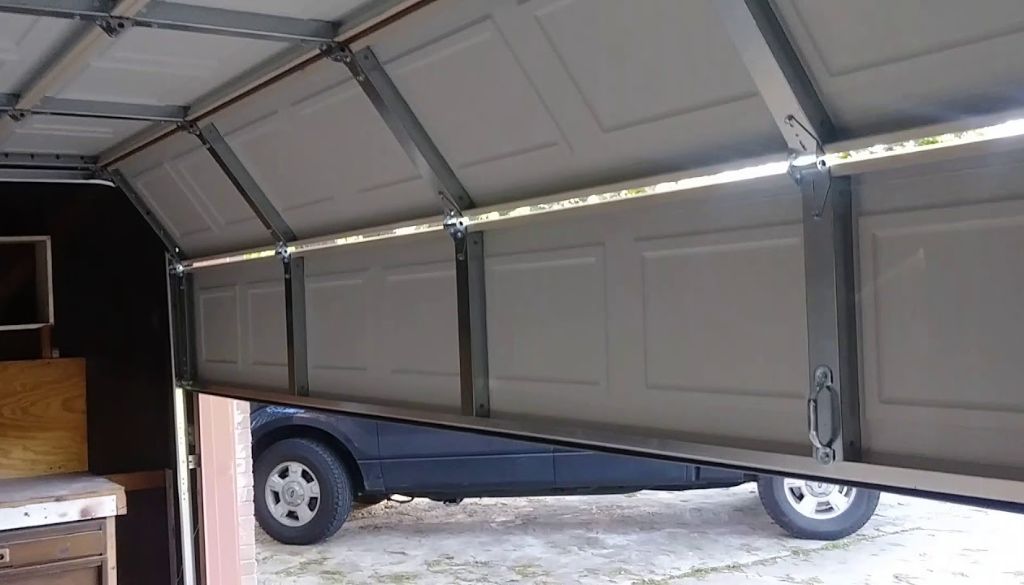
Garage Door Bounces When Closing: Causes, Troubleshooting & Fixes
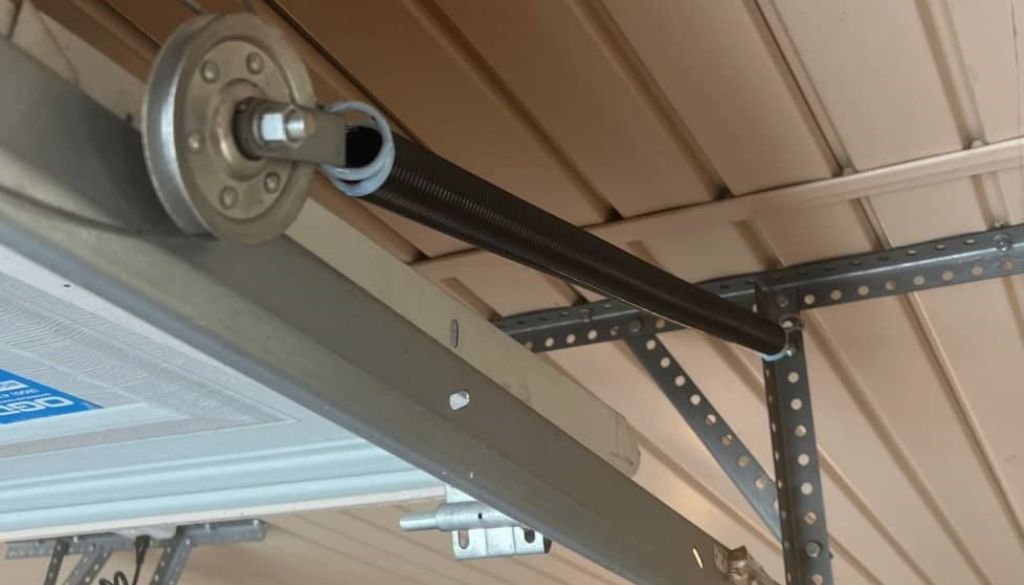
If you’ve ever watched your garage door start to close, only to bounce back up or refuse to stay shut, you’re not imagining things — and it’s not random. Modern garage doors are equipped with advanced safety mechanisms, like auto-reversing, which prevent the door from closing on objects, pets, or people. However, when your garage door bounces or reverses unexpectedly, it’s usually a sign of either a safety response or a mechanical or electrical issue that needs attention. A bouncing door can sometimes point to a pulley that’s seized or misaligned on one side — see our breakdown of cable pulley problems and how they’re fixed to rule this out as a cause.
In this guide, we’ll take a deep dive into everything you need to know: from understanding why your garage door bounces, to troubleshooting common causes, performing DIY fixes, and preventing future problems. By the end, you’ll know whether it’s a simple adjustment you can do yourself or if it’s time to call a professional garage door technician.
Understanding Garage Door Bounce
A garage door bounce is more than just a minor annoyance. It can indicate an underlying problem that, if left unaddressed, could lead to damage to the door, the opener, or even cause safety risks.
Typical behaviors of a bouncing garage door include:
* Starts closing normally, but then reverses just before hitting the floor.
* Closes halfway, then stops or reverses for no obvious reason.
* Hits the ground and bounces back up immediately.
Frequency may vary:
* Every cycle
* Intermittently
* Only at certain times, depending on conditions such as temperature, humidity, or debris.
The key question is: Is the bounce a safety feature doing its job, or is it a symptom of a mechanical or electrical problem? Let’s explore the most common causes.
Common Causes of a Garage Door Bouncing When Closing
Here’s a clear cause → symptom → fix framework to help you quickly identify the issue:
| Symptom | Likely Cause | Quick Fix |
|---|---|---|
| Reverses immediately | Sensor misalignment | Clean & realign sensors |
| Hits floor then bounces | Limit switch setting | Adjust travel limits |
| Stops halfway randomly | Electrical fault | Inspect wiring or opener |
| Closes unevenly | Track or roller friction | Lubricate & inspect |
| Reverses despite clear path | Faulty pressure sensor | Professional repair |
1. Misaligned or Dirty Safety Sensors
Most modern garage doors have photoelectric safety sensors located near the floor on both sides of the door opening. These sensors send an invisible beam across the doorway. If the beam is broken — even slightly — the door will reverse to prevent accidents.
Common sensor issues include:
* Misalignment (sensors not facing each other)
* Dirty lenses (covered in dust, spider webs, or grime)
* Loose wiring
Signs of sensor problems:
* Blinking LED lights on one or both sensors
* Door reverses even when the path is clear
* Door closes when you hold down the wall button, bypassing the sensor
Fixing sensor issues:
1. Clean the sensor lenses with a soft cloth.
2. Check that sensors face each other directly, level and parallel.
3. Tighten mounting brackets.
4. Inspect wiring for loose connections.
If these steps don’t resolve the issue, it may require professional inspection. For a full diagnostic guide, check: Garage Door Troubleshooting Guide.
2. Obstructions Under the Door
Sometimes, the simplest cause is the culprit. Small items can break the sensor beam or create resistance that triggers the auto-reverse.
Common obstructions include:
* Leaves, gravel, or dirt
* Small toys or pets’ items
* Ice or snow
* Uneven flooring or threshold
Fix:
* Remove all debris from the door’s path.
* Sweep the floor for smooth contact.
* Check weather seals and ensure they’re not warped or lifted.
* Make sure the door closes evenly along the threshold.
3. Incorrect Limit Switch Settings
The limit switches on your garage door opener control how far the door travels up and down. If the close limit is set too short, the door might hit the ground, feel resistance, and reverse — appearing to “bounce.”
Steps to adjust limit switches:
1. Locate the limit adjustment screws or knobs on your garage door opener.
2. urn slightly in the direction marked “Down” or “Close.”
3. Test the door after each small adjustment.
4. Make tiny adjustments at a time; incorrect settings can strain the opener or even damage the door.
If unsure, refer to your opener’s manual or consider professional calibration. For more guidance: Garage Door Opener Comparison & Setup Guide.
4. Electrical or Circuit Issues
Sometimes, the bounce is caused by electrical problems, including:
* Loose or frayed wiringWhy Is My Garage Door Sensor Yellow?
* Power surgesCall us for a FREE Estimate. Dial NOW
* Faulty logic boards(07) 5515 0277
* Signal interferenceMon – Sat : 9am to 7pm
Signs include:
* Random bouncing or reversing at different heights
<
* Watch for smooth movementnoscript>
<
* Check for even ground contact and no bounceiframe src="https://www.googletagmanager.com/ns.html?id=GTM-NNWDRX43"
height="0" width="0" style="display:none;visibility:hidden">
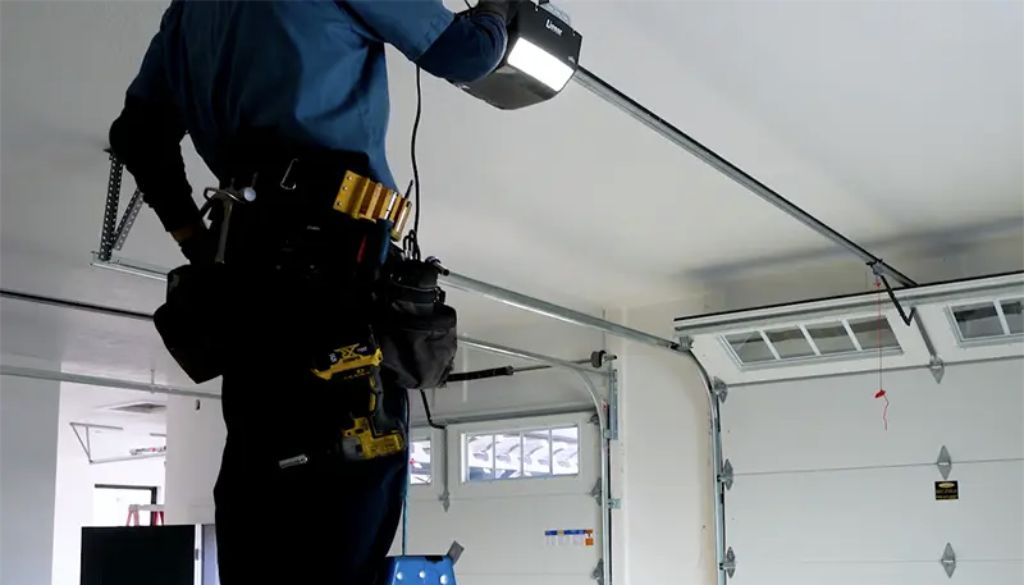
When to Call a Professional
Call a garage door technician if you notice:
* Electrical issuesGarage Door Openers
* Limit adjustments don’t resolve the issueBy
* Door jerks violently during operationAdmin
* Loose cables or springs
* Loud popping soundsJuly 5, 2025
* Door feels heavy or off-balance0 Comments
Ignoring these symptoms can:Why Is My Garage Door Sensor Yellow?
* Damage your openerThat glowing amber light near your vehicle entryway? It’s more than just decoration. This small beacon plays a critical role in household safety, acting as a silent protector for your family and belongings. A properly functioning garage door opener relies on this light garage door sensor to ensure safety.
* Strain or break springsModern security systems use infrared beams between two units to detect obstacles. When aligned correctly, the sending unit shows a steady yellow glow while its partner displays green. This colour-coding helps homeowners quickly verify their garage door system’s status during routine checks.
* Wear rollers prematurelyBut what if the yellow light garage flickers or the entry mechanism stops working? These changes often signal alignment issues or obstructions. Dust accumulation, spider webs, or accidental bumps can disrupt the invisible safety beam within minutes, leading to potential problems. Regular maintenance becomes crucial, especially with popular brands like LiftMaster or Chamberlain, to prevent damage to your door system.
A professional inspection ensures safe and effective repair.For those unexpected moments when troubleshooting feels overwhelming, our guide to
A1 Garage Doors Gold Coastinterpreting yellow light signals has been servicing residential and offers practical solutions. Discover the steps to maintain optimal performance without professional help, saving both time and money.commercial garage doorsKey Takeaways across the Gold Coast since 2020.* Steady amber glow confirms proper transmitter operation
* Green light on paired unit indicates successful beam alignment(07) 5515 0277* Flickering often suggests obstructions or misalignment
1 Waterford Ct, Bundall QLD 4217* Regular cleaning prevents dust-related sensor failures
https://goldcoastgaragedoorrepair.com.au* Immediate attention needed if entry mechanism malfunctions
What a Technician Will CheckUnderstanding Garage Door Sensor Functionality
Professional technicians will inspect:Modern home security relies on clever tech working behind the scenes. Those unassuming boxes near your floor hold life-saving potential through precise teamwork between components, ensuring your garage door opener operates smoothly and safely.
* Sensor alignment and voltage<
iframe title="Garage Door safety sensors out of Alignment | Easy fix" width="640" height="360" src="https://www.youtube.com/embed/OpgK9dsbOkc?feature=oembed" frameborder="0" allow="accelerometer; autoplay; clipboard-write; encrypted-media; gyroscope; picture-in-picture; web-share" referrerpolicy="strict-origin-when-cross-origin" allowfullscreen>
* Limit switch calibration
Genie provides expert diagnostics and repairs across the region.Red
