
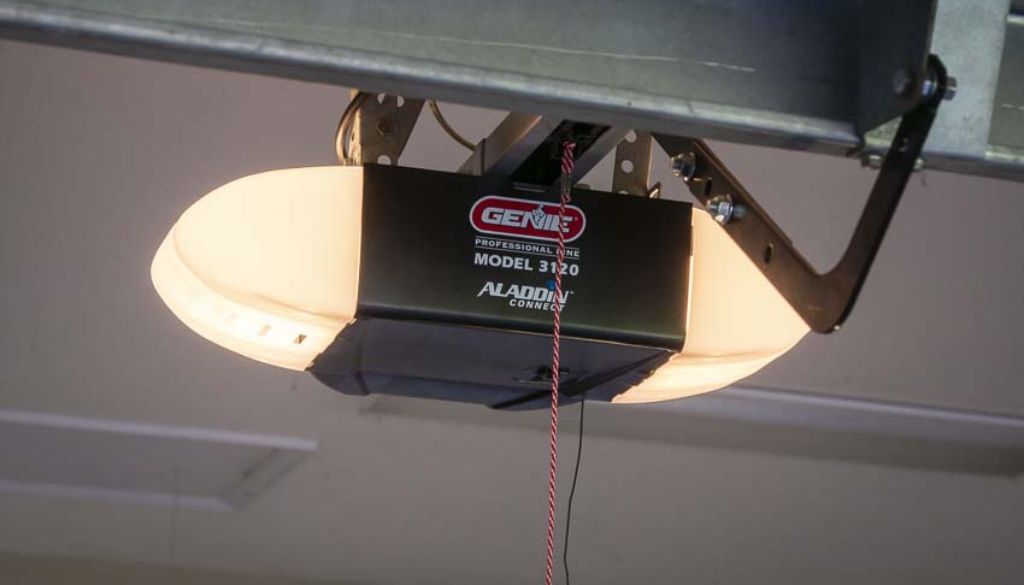
You walk into the garage and notice your opener’s indicator light blinking steadily — but the door refuses to move. It’s frustrating, especially when you’re in a hurry. The good news? That flashing light isn’t random. It’s your opener trying to tell you exactly what’s wrong.
Modern garage door openers are built with self-diagnostic systems that communicate faults through a series of blinks — much like a car’s check-engine light. Once you learn to read the code, you can identify the problem quickly and decide whether it’s a simple DIY fix or time to call in a professional.
This guide covers every common cause of a flashing garage door opener light, how to decode blink patterns, safe troubleshooting steps, and when to call the team at A1 Garage Doors Gold Coast for expert help.
Already dealing with a broader issue? Read our full garage door troubleshooting guide for a complete overview of common problems and solutions.
Why Your Garage Door Opener Light Is Flashing
Garage door openers manufactured in the last decade include built-in diagnostic systems that use their indicator LED to communicate fault codes. Instead of simply stopping and leaving you guessing, the opener blinks a specific number of times — pauses — then repeats the sequence. Each pattern points to a particular issue within the system.
Think of it as a shorthand langu If your opener continues to show warning signals, understanding how Genie systems diagnose faults can help you identify the issue and restore reliable operation more efficiently.age between your opener and you. The light isn’t just on or off — it’s counting. Common reasons it activates include problems with safety sensors, wiring faults, motor issues, and even unintentional activation of the door’s lock mode.
Self-Diagnostic Systems in Modern Garage Door Openers
Brands like LiftMaster, Chamberlain, and Genie all include onboard diagnostic LEDs. The opener’s microcontroller monitors sensor signals, motor performance, and electrical continuity in real time. When it detects an out-of-range reading, it triggers the blink sequence and — in many cases — prevents the door from moving until the fault is resolved.
This design exists primarily for safety. A door that moves when sensors are blocked or misaligned can cause serious injury. The flashing light is essentially a safety interlock doing exactly what it was designed to do.
Most Common Reasons a Garage Door Opener Light Flashes
Safety Sensors Are Misaligned or Blocked
The photo-eye sensors sit near the bottom of your door tracks, one on each side, and project an invisible beam across the opening. If anything breaks that beam — or if the sensors have shifted out of alignment — the opener detects the fault and begins flashing. This is the single most common cause on Gold Coast properties, particularly after storms or if equipment near the door has nudged the sensor brackets.
Look for a blinking or dim LED on one of the sensor units. A solid green light on both sensors means they’re aligned; any amber or red blinking on a sensor unit indicates misalignment or obstruction.
Safety Lock or Vacation Mode Is Activated
Most openers include a lock function that disables all remote controls while still allowing the wall button to operate the door. This mode is useful when you’re away, but if it’s been activated accidentally, you’ll see the opener light flash every time you press the remote — and the door won’t budge.
Physical Door Lock Is Engaged
If your door has a manual T-handle or deadbolt lock and it’s been engaged while the opener is connected, the motor will try to operate, meet resistance, and trigger a fault blink. Always check that the manual lock is fully disengaged before attempting to use the opener.
Wiring Problems
Damaged, frayed, or disconnected sensor wires are a common culprit — particularly in older installations or properties where rodents have chewed through cables. A wiring fault typically produces a consistent blink count that points directly to an open or shorted circuit.
Motor or Opener Malfunctions
Overheating is more common than most homeowners realise, especially on doors that cycle frequently in Queensland’s heat. When the motor’s thermal protection trips, the opener will flash and cease operation until it cools down — usually within 15–30 minutes. Repeated overheating points to an underlying fault such as a failing RPM sensor or worn drive components.
Remote or Signal Issues
Weak batteries in your remote, radio frequency interference from nearby devices, or a remote that has lost its programming can all trigger a flashing light when you attempt operation. Try the wall button first — if the door responds normally, the issue lies with the remote rather than the opener itself.
Electrical Power Issues
Power surges from storms — a regular occurrence on the Gold Coast — can corrupt the opener’s internal memory or damage its circuit board. After any significant storm or power interruption, a flashing light may indicate that the opener needs to be reset or professionally inspected.
If the problem occurred after severe weather, our emergency garage door repair service is available when you need urgent assistance across the Gold Coast.
How to Decode Garage Door Opener Flashing Light Codes
The most efficient way to diagnose a flashing opener light is to count the blinks. Stand in front of the opener, watch the LED, and count how many times it blinks before it pauses and resets. That number corresponds directly to a fault type.
Common Blink Codes Explained
| Flashes | Likely Cause | Recommended Action |
|---|---|---|
| 1 blink | Safety sensor wire open or disconnected | Check sensor wiring connections |
| 2 blinks | Shorted or reversed sensor wire | Inspect and reverse sensor wires |
| 3 blinks | Control wire short circuit | Examine all control board wiring |
| 4 blinks | Misaligned safety sensors | Re-align photo-eye sensors |
| 5 blinks | Overheated motor or RPM sensor failure | Allow cooling; call a technician |
| 6 blinks | Motor circuit failure | Professional repair required |
Brand-Specific Diagnostic Codes
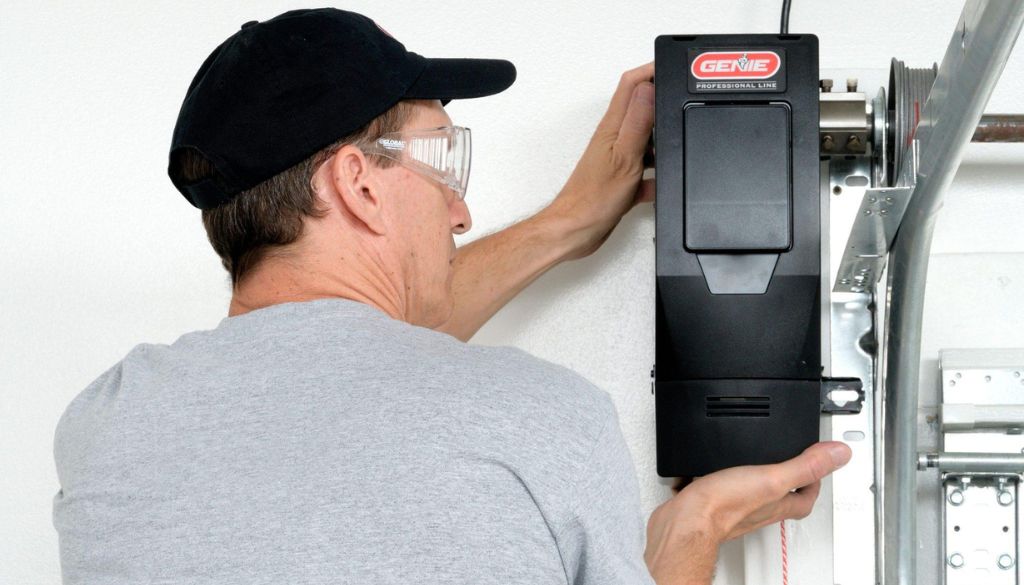
While the table above covers typical patterns, exact codes vary between manufacturers. LiftMaster and Chamberlain share a common code set, while Genie uses a different sequence. Always cross-reference the blink count against your opener’s specific manual — usually available via a QR code on the unit or from the manufacturer’s website — before proceeding with any repair.
Quick Troubleshooting Steps for a Flashing Garage Door Opener
1. Check the Power Supply
Confirm the opener is firmly plugged in and check your switchboard for any tripped circuit breakers. Reset any tripped breakers and attempt operation again. If the blink pattern changes after a reset, note the new count and refer back to the table above.
2. Clean and Align the Safety Sensors
Use a dry microfibre cloth to wipe both sensor lenses. Even a thin film of dust or spider webs can interrupt the beam. Loosen the sensor mounting bracket, adjust the unit until both LEDs show solid lights, then re-tighten. The receiving sensor is usually amber and the sending sensor green.
3. Reset the Garage Door Opener
Most openers can be reset by holding the Learn button on the back or side of the motor head for approximately six seconds until the indicator light goes out. This clears stored faults and remote pairings. After resetting, you’ll need to re-program your remotes and keypad.
4. Replace Remote Batteries
Replace the batteries in your remote with fresh ones, even if the existing batteries seem fine. Low voltage causes inconsistent signalling that can trigger the opener’s fault detection. Use the wall button to confirm the opener itself is functioning normally before suspecting a remote issue.
5. Inspect Wires and Connections
With the opener unplugged, visually inspect the sensor wires along the door tracks for any damage, kinks, or loose terminal connections. Do not attempt to splice or repair wiring unless you are confident with electrical work — this is a task best left to a licensed technician.
Unsure which opener model suits your door? Our garage door opener comparison guide covers the top options available in Australia to help you make the right call. If you’re wondering are garage door openers universal, understanding compatibility between remotes, motors, and opener brands can help you troubleshoot flashing light issues more effectively.
When a Flashing Garage Door Light Is a Safety Risk
Most flashing light scenarios are inconvenient rather than dangerous — but some situations warrant immediate attention.
Sensor Failures
If your door is closing despite flashing sensor lights, the obstruction detection system may not be functioning correctly. This is a serious safety hazard. Do not use the door until the sensor fault has been confirmed and resolved.
Electrical Faults
Burning smells, scorch marks near the motor unit, or a blink code indicating a circuit failure are all signs that continued operation could cause further damage or a fire risk. Disconnect the opener at the power outlet and arrange a professional inspection immediately.
Motor Overheating
An overheating motor that does not cool within 30 minutes, or that overheats repeatedly during normal daily use, signals a mechanical or electrical fault requiring diagnosis. Running the motor in this condition can cause permanent damage to the unit.
When to Call a Professional Garage Door Technician
Some repairs should not be attempted without proper training and tools. Call a professional when you encounter any of the following:
- Wiring damage, exposed conductors, or burnt components
- Persistent flashing after completing all troubleshooting steps above
- Motor overheating that doesn’t resolve after cooling
- Sensor replacement where alignment alone hasn’t fixed the fault
- Any blink code indicating motor circuit failure (typically 6 blinks)
- Any uncertainty about what to do — safety always comes first
The team at A1 Garage Doors Gold Coast carries parts and expertise to diagnose and repair opener faults on the same day in most cases. Call (07) 5515 0277 or visit goldcoastgaragedoorrepair.com.au to book.
Preventing Garage Door Opener Flashing Problems
Regular Sensor Cleaning
Wipe down your photo-eye sensors monthly. In coastal environments like the Gold Coast, salt air and humidity accelerate grime buildup on sensor lenses. A few seconds of maintenance prevents the majority of sensor-related faults.
Annual Professional Inspection
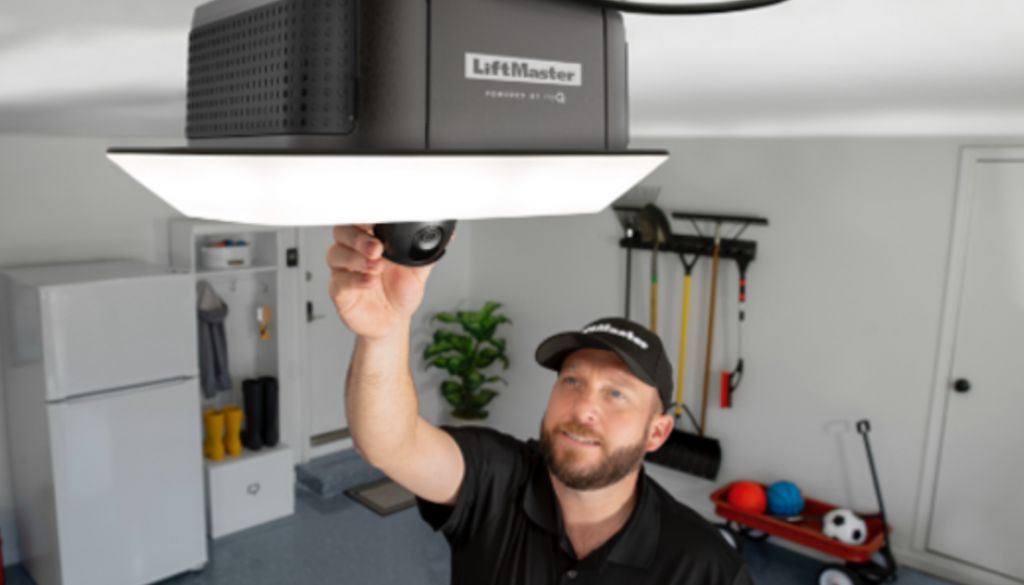
Have a qualified technician inspect your opener, sensors, wiring, and mechanical components once a year. An annual service catches wear before it becomes a breakdown — and keeps your warranty valid on newer units.
Routine System Checks
Test your opener’s auto-reverse function monthly by placing a 50mm piece of timber flat on the ground in the door’s path and closing the door. The door should reverse on contact. If it doesn’t, the opener requires immediate opener adjustment or repair.
FAQ: Garage Door Opener Light Flashing
Why is my garage door opener flashing and not closing?
This is almost always a sensor issue. The photo-eye sensors are either misaligned, dirty, or blocked by an object in the door’s path. Check both sensor LEDs — they should both show solid lights. Clear any obstructions, clean the lenses, and re-align if needed.
How do I reset my garage door opener?
Locate the Learn button on the motor head unit. Press and hold it for approximately six seconds until the LED beside it goes out. The opener is now reset. You’ll need to re-programme all remotes and keypads after doing this.
What does a flashing red sensor light mean?
A flashing or dim red/amber light on a sensor unit typically indicates the sensors are not aligned. Adjust the mounting bracket on the receiving sensor until the LED becomes solid. If it remains red after adjustment, suspect a wiring fault or damaged sensor.
Are both garage door sensors supposed to be green?
Not necessarily. Most systems use one green LED (transmitting sensor) and one amber LED (receiving sensor). Both should be solid — not blinking — during normal operation. A blinking light on either sensor signals a fault.
Can a power outage cause garage door opener flashing?
Yes. Power surges during outages and storms on the Gold Coast can disrupt the opener’s memory and trigger persistent fault codes. Try a full reset after power is restored. If flashing continues, contact a technician to check whether the circuit board has been damaged.
What does it mean when the opener flashes 5 or 6 times?
Five blinks typically indicate an overheated motor or failed RPM sensor — allow the unit to cool for 30 minutes, then retry. Six blinks indicate a motor circuit failure, which requires professional repair. Do not continue operating the door with a 6-blink code active.
Need Help With a Flashing Garage Door Opener?
If you’ve worked through the steps above and your opener light is still flashing, the team at A1 Garage Doors Gold Coast is ready to help. We service all major opener brands including LiftMaster, Chamberlain, and Genie, and carry common parts on our vehicles for same-day repairs across the Gold Coast and Brisbane.
📞 (07) 5515 0277 📍 1 Waterford Ct, Bundall QLD 4217 🌐 goldcoastgaragedoorrepair.com.au ⭐ Rated 4.9/5 by Gold Coast homeowners — trusted since 2020. If your garage door opener light keeps flashing after troubleshooting, it’s best to contact a trusted garage door repair company in Labrador to accurately diagnose and fix the underlying issue before it worsens.
