
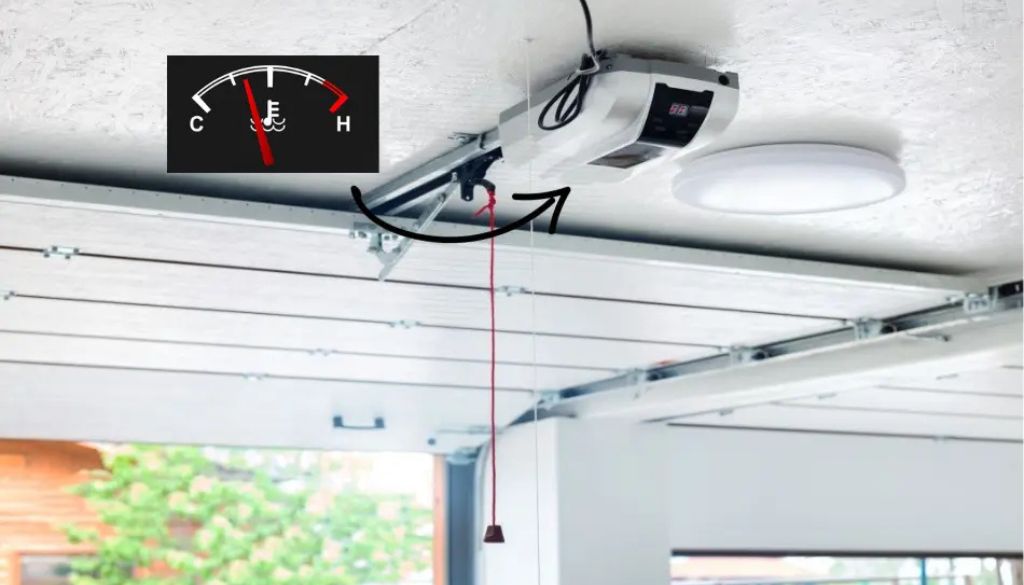
Stepping into your garage on a scorching Gold Coast summer day only to find your garage door opener has shut itself off can be frustrating. If your garage door motor is overheating, you’re not alone—this is one of the most common issues homeowners face, especially during Queensland’s hottest months. Understanding why your garage door opener overheats, recognizing the warning signs, and knowing how to respond can save you from costly repairs and potential safety hazards. An overheating opener will almost always trigger a specific blink pattern on the indicator light before it shuts down — if you’re unsure what yours is telling you, our article on what a flashing light on your garage door opener means walks you through the full diagnostic process.
In this comprehensive guide, we’ll walk you through everything you need to know about garage door opener overheating, from the root causes to practical solutions that keep your system running smoothly year-round.
Can a Garage Door Opener Overheat?
Yes, absolutely. Like any electrical appliance, garage door openers and their motors can overheat under certain conditions. This is particularly common in Australia’s hot climate, where summer temperatures in the Gold Coast regularly exceed 30°C, creating a perfect storm for thermal issues.
Your garage door opener is a hardworking piece of equipment that generates heat during normal operation. When environmental factors, excessive use, or mechanical problems combine, the heat buildup can exceed the motor’s cooling capacity. Modern openers are designed with safety features to prevent damage, but understanding the limits is crucial for maintaining your system.
How the Motor and Opener Are Connected
The motor is the heart of your garage door opener system. It powers the mechanism that lifts and lowers your door, working in tandem with springs, cables, and tracks. Most quality garage door openers include a thermal overload feature—essentially a built-in safety mechanism that automatically shuts off the motor when it detects excessive heat.
This automatic shutoff prevents permanent motor damage and potential fire hazards. When the thermal overload is triggered, your opener won’t respond to remote commands until it cools down sufficiently. While inconvenient, this feature protects your investment and keeps your family safe.
Common Causes of Garage Door Opener Overheating
Understanding what causes your garage door opener to overheat helps you prevent future incidents. Here are the primary culprits:
Overuse Within a Short Timeframe: Opening and closing your garage door multiple times within 15 minutes puts tremendous strain on the motor. This is common when you’re making multiple trips, loading the car, or when kids are playing with the remote.
Malfunctioning Parts: Worn rollers, damaged tracks, or broken springs force your motor to work harder than designed, generating excess heat. If your door struggles to open or makes grinding noises, faulty components may be the cause.
Faulty Wiring: Electrical issues within the opener or improper installation can create resistance that generates heat. Loose connections, damaged wires, or inadequate power supply all contribute to overheating.
Worn-Out Components: Age takes its toll on all mechanical systems. Motors that have served for 10-15 years naturally lose efficiency, and internal components degrade over time.
Poor Maintenance: Lack of regular maintenance compounds all these issues. Dirty tracks, unlubricated moving parts, and neglected safety sensors increase friction and motor strain.
Heat Expansion & Sensor Misalignment
Queensland’s summer heat doesn’t just affect your motor—it impacts your entire garage door system. Metal brackets, rails, and tracks physically expand in extreme heat. This expansion can cause:
- Safety sensors to become misaligned, preventing door operation
- Rails to warp slightly, creating drag on the door
- Metal-on-metal contact points to bind rather than slide smoothly
When your opener’s sensors detect misalignment, the motor works harder to compensate, generating additional heat. This creates a problematic cycle during heatwaves.
If overheating issues continue despite regular maintenance, upgrading to Chamberlain garage door openers can provide improved reliability, built-in thermal protection, and smoother day-to-day performance.
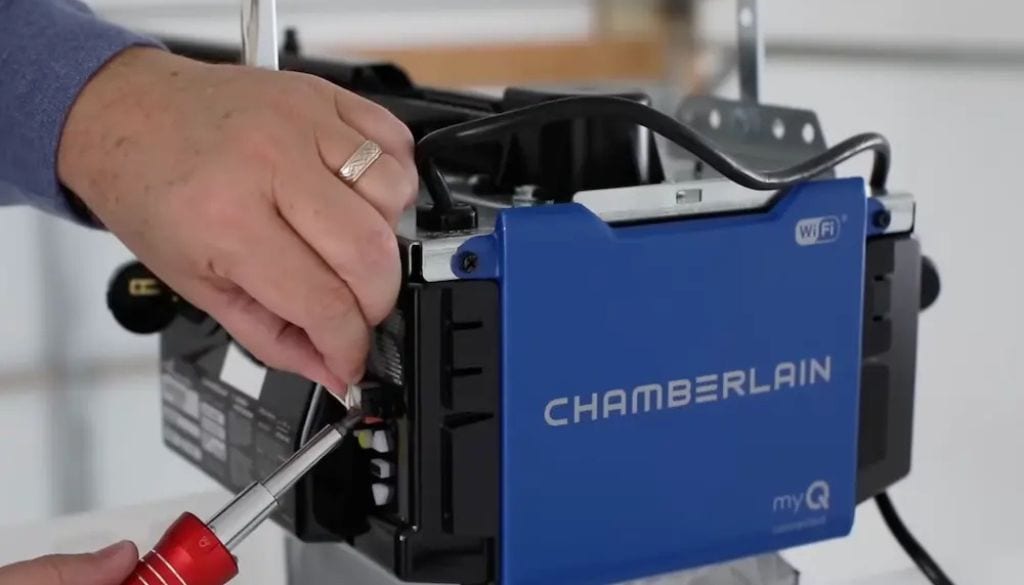
Starting Capacitor Failure
The starting capacitor is a small but critical component that provides the initial power boost your motor needs to overcome the door’s weight and start moving. This capacitor stores and releases electrical energy to generate the necessary torque. An overheating opener can also trigger a situation where the motor runs but produces no movement — learn more in our guide on garage door motor running but door not opening.
When a starting capacitor fails or blows, it can cause:
- Motor strain and overheating as it struggles to start
- Smoke emanating from the opener unit
- Complete failure to operate
- Burning electrical smell
A blown capacitor is a serious issue requiring immediate professional attention. If you suspect capacitor failure, consider upgrading to a modern garage door opener with improved reliability.
Signs Your Garage Door Opener Is Overheating
Recognizing the warning signs early prevents complete system failure and potential safety hazards. Watch for these indicators:
Motor Shuts Off Automatically: The most obvious sign—your opener simply stops working mid-cycle or won’t respond to commands. This is the thermal overload protection kicking in.
Door Won’t Open Via Remote: If your remote batteries are fresh and the power supply is intact, but your door won’t respond, overheating may have triggered the safety shutoff.
Slow Response Time: Notice a lag between pressing the button and the door actually moving? This sluggish performance often precedes complete thermal shutdown.
Inconsistent Operation: The door opens sometimes but not others, or works in the morning but fails in the afternoon heat. This pattern strongly suggests heat-related issues.
Unusual Noises: Grinding, rattling, or squeaking sounds indicate increased friction and mechanical stress—both of which generate excess heat.
Frequent Breakdowns: If you’re calling for repairs every few months, chronic overheating may be degrading your opener’s internal components.
Smoke from the Garage Door Opener
This is a serious technical problem that demands immediate action. If you see smoke or smell burning from your garage door opener:
- Shut down and unplug the unit immediately
- Do not attempt to operate the door
- Keep the area well-ventilated
- Contact a professional garage door technician right away
Smoke typically indicates motor damage beyond safe use, blown capacitors, or electrical faults. This situation poses fire and electrical shock risks. When you need emergency garage door repair on the Gold Coast, don’t delay—call A1 Garage Doors at (07) 5515 0277 for same-day service.
What to Do If Your Garage Door Opener Overheats
When your garage door opener overheats, taking the right steps protects your equipment and ensures safety:
Wait 20–30 Minutes to Cool Down: This is the minimum cooling period. Resist the temptation to restart the opener immediately. In extreme heat, you may need to wait longer—up to an hour in some cases.
Avoid Operating Repeatedly: If you’ve been opening and closing the door multiple times, stop. Give the motor adequate rest between cycles—at least 5 minutes.
Check Remote Batteries and Power Supply: Rule out simple fixes first. Replace remote batteries, check circuit breakers, and ensure the opener has power.
Unplug Unit If Smoking: As mentioned, disconnect power immediately if you detect smoke or burning smells.
Call a Garage Door Professional: If overheating persists or occurs frequently, professional diagnosis is essential. A certified technician can identify underlying issues—from misaligned tracks to failing motors—and recommend appropriate solutions.
A1 Garage Doors Gold Coast specializes in diagnosing and repairing overheating garage door openers throughout the Gold Coast and Brisbane regions. Our team responds quickly to prevent minor issues from becoming major headaches.
How to Prevent Garage Door Opener Overheating
Prevention beats repair every time. These practical steps keep your garage door opener running cool:
Limit Frequency of Use: Avoid operating your door multiple times within a 15-minute window. If loading the car requires multiple trips, use the manual door or space out opening cycles.
Avoid Excessive Hourly Operation: Running your garage door several times per hour, especially in hot weather, overtaxes the motor. Be mindful during high-use periods.
Allow Cooling Time in Hot Garages: During summer heatwaves, your garage interior can reach 50°C or higher. These extreme ambient temperatures mean your motor needs extra cooling time between operations.
Apply Heat-Resistant Lubricant to Brackets: Use silicone-based or heat-resistant garage door lubricants on all moving metal parts. This reduces friction, heat generation, and the strain on your motor.
Schedule Regular Maintenance and Inspection: Annual professional servicing catches small problems before they cause overheating. A1 Garage Doors offers comprehensive maintenance packages that include:
- Lubrication of all moving parts
- Inspection and adjustment of springs and cables
- Safety sensor alignment checks
- Opener motor testing and cleaning
- Track cleaning and alignment
Regular maintenance extends your opener’s lifespan and dramatically reduces overheating incidents.
When to Repair vs. Replace Your Garage Door Opener
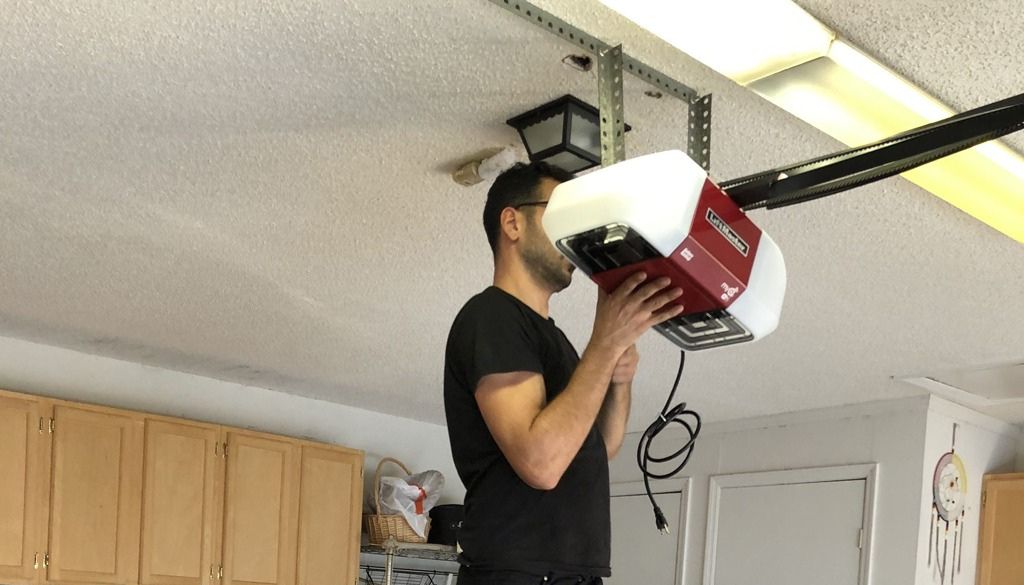
Sometimes overheating signals that your garage door opener is approaching the end of its service life. Here’s how to make the repair versus replace decision:
Consider Replacement If:
- Overheating occurs frequently despite repairs
- Performance is inconsistent even after cooling
- Your energy bills have increased noticeably
- The unit is 10-15 years old
- It lacks modern safety features like auto-reverse
- No battery backup during power outages
- Missing conveniences like motion-activated lighting
- Incompatible with smart home technology
Repair Makes Sense When:
- The unit is less than 7 years old
- This is the first overheating incident
- A specific component (like the capacitor) has failed
- Regular maintenance has been neglected
- The problem is environmental (extreme heat) rather than mechanical
Benefits of Upgrading
Modern garage door openers offer significant advantages over older models:
Improved Energy Efficiency: Newer motors use less electricity and generate less heat during operation, reducing the likelihood of thermal issues.
Quieter Operation: Belt-drive and screw-drive systems operate much more quietly than older chain-drive models, improving home comfort.
Better Performance: Contemporary openers lift doors more smoothly and reliably, with stronger motors that handle heavier doors without strain.
Fewer Repair Costs: With improved components and better engineering, modern openers require less frequent service.
Smart Technology Integration: Connect your opener to your smartphone, voice assistants (Alexa, Google Home), and home automation systems. Monitor status, receive alerts, and operate your door from anywhere.
When comparing garage door opener options, consider the long-term savings of efficiency and reduced maintenance against the upfront investment. A1 Garage Doors can help you select the perfect opener for your Gold Coast home and provide expert installation.
How Garage Temperature Affects Opener Performance
Your garage’s internal temperature significantly impacts opener performance. Gold Coast garages, especially non-insulated ones, can become heat traps during summer.
Insulated vs. Non-Insulated Garages: Insulated garage doors maintain more stable internal temperatures. If your garage regularly exceeds 45°C, consider upgrading to composite garage doors with insulation properties that protect both your vehicle and your opener.
Ventilation Considerations: Adequate garage ventilation helps dissipate heat. Adding vents, leaving windows open when safe, or installing an exhaust fan can significantly reduce ambient temperatures and protect your opener motor.
Matching Opener Power to Door Weight
Using an underpowered opener for a heavy door creates chronic overheating problems. Your opener’s horsepower rating must match your door’s weight and type:
- 1/3 HP: Suitable for lightweight, single-car garage doors
- 1/2 HP: Standard for most single-car and lighter double-car doors
- 3/4 HP: Recommended for heavy wooden or insulated double doors
- 1+ HP: Required for oversized or extremely heavy doors
If your current opener is underpowered, it will constantly strain to lift the door, generating excessive heat. Our technicians at A1 Garage Doors assess your door weight and recommend appropriately powered openers to prevent strain-related overheating.
Frequently Asked Questions
How do I know if my garage door opener is overheating?
Key indicators include thermal shutoff activation (the motor won’t respond), failure to operate after heavy use, smoke or burning smells, and the motor feeling hot to the touch. If you notice any of these signs, allow cooling time and contact a professional if the problem persists.
How long should I wait if it overheats?
Allow a minimum of 20–30 minutes for the motor to cool completely. In extreme heat conditions or after multiple shutdown cycles, wait up to an hour. Never force operation while the thermal protection is engaged.
Can I keep using it after it cools down?
Temporary function may return after cooling, but repeated overheating indicates underlying motor damage or system problems. Continued use without addressing the root cause risks permanent motor failure. Schedule a professional inspection to prevent complete breakdown.
How often should a garage door opener be replaced?
Most garage door openers last 10–15 years with proper maintenance. However, replacement may be wise earlier if overheating becomes chronic, repair costs mount, or you want modern features like smartphone connectivity and improved safety systems.
What causes a garage door opener to smoke?
Smoke typically results from a blown starting capacitor, electrical shorts, motor winding failure, or severe overheating that damages internal components. This is an emergency situation requiring immediate power disconnection and professional service.
Is it safe to use an overheated opener?
No. An overheating opener poses fire and electrical shock risks. Allow adequate cooling time and address the underlying cause. Never bypass thermal protection features or continue operating a smoking or burning opener.
Can hot weather permanently damage a garage door motor?
While occasional heat exposure won’t cause permanent damage thanks to thermal protection, repeated overheating cycles degrade motor components over time. Extreme heat combined with high usage can shorten motor lifespan significantly.
Protect Your Investment with Professional Care
Your garage door opener works hard year-round, especially in Gold Coast’s demanding climate. Regular maintenance, proper usage, and prompt attention to overheating signs ensure reliable operation and extend your system’s lifespan.
At A1 Garage Doors Gold Coast, we understand the unique challenges Queensland weather poses to garage door systems. Our certified technicians provide:
- Same-day service for emergency overheating issues
- Comprehensive diagnostics to identify root causes
- Expert repairs using quality parts
- Honest advice on repair versus replacement
- Professional installation of modern, efficient openers
- Ongoing maintenance programs to prevent future problems
Don’t let an overheating garage door opener disrupt your daily routine or compromise your safety. Whether you need emergency repairs, a replacement opener, or preventative maintenance, our team is ready to help. If your garage door is making unusual noises or won’t open properly, our Garage door repair services in Southport provide fast, reliable solutions to restore its performance.
Contact A1 Garage Doors Gold Coast today:
- Phone: (07) 5515 0277
- Location: 1 Waterford Ct, Bundall QLD 4217
- Service Area: Gold Coast and Brisbane regions
We’re here to keep your garage door opener running cool, quiet, and reliable all year long. Schedule your service call today and experience the A1 difference.
