
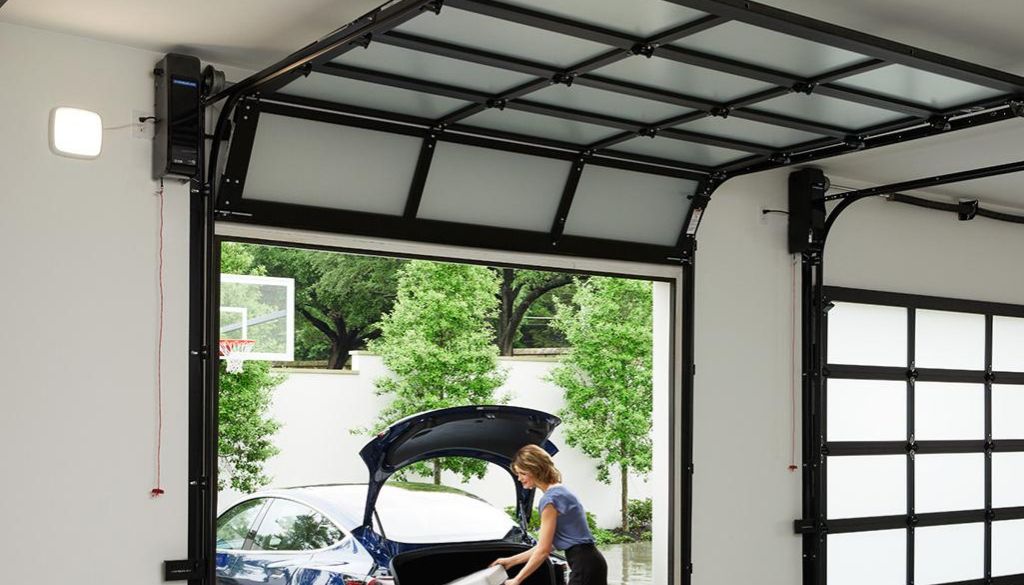
Your garage door has been working fine for years — then one day you notice it crawling down like it’s moving through treacle. Before you panic or reach for the phone, it’s worth knowing that not every slow close means something is wrong. Some slow movement is built into the system on purpose. Other times, it’s your door trying to tell you something needs attention.
Here’s a straightforward way to think through what’s happening and what to do about it.
When a Slow-Closing Garage Door Is Normal
Modern automatic garage doors are deliberately designed to close at a controlled, measured pace. This isn’t a flaw — it’s a safety feature. Manufacturers set closing speeds to reduce the risk of injury to people, pets, and vehicles that might be in the door’s path.
On top of the set speed, your door’s safety system is constantly working during every close cycle. Infrared sensors near the base of the tracks emit an invisible beam across the opening. If anything interrupts that beam — even briefly — the opener slows down or reverses. This is required by Australian safety standards for automatic garage doors, and it’s functioning exactly as intended.
The key distinction is this: if your door has always moved at the same pace and nothing has changed, that speed is probably normal for your system. If your door has recently started closing noticeably slower than it used to, or if it hesitates, jerks, or stops mid-cycle, that’s a different story. Understanding how your garage door troubleshooting process should work makes it much easier to spot the difference between a feature and a fault.
Common Reasons a Garage Door Closes Slowly
When slowness is a new development, a few culprits come up again and again in service calls across the Gold Coast.
Track Alignment or Obstructions
The tracks that guide your door from top to bottom need to be clean, straight, and properly aligned to allow smooth travel. Dirty tracks — coated in dust, cobwebs, and the kind of grime that accumulates in Queensland garages — create drag that forces your opener to work harder and the door to move slower. Even small pieces of debris wedged in the track can cause the door to hesitate or bind.
Warped or misaligned tracks are a bigger concern. If a section of track has bent or shifted, the rollers have to fight their way through the misaligned portion on every cycle, which slows the door and accelerates wear on the rollers and brackets. Left unchecked, misalignment puts excess strain on the entire system.
Sensor or Safety System Issues
When the infrared safety sensors mounted at floor level aren’t aligned correctly, or when their lenses are dirty or obscured, your opener may interpret this as a constant obstruction. The result is a door that slows significantly, stops before fully closing, or reverses entirely after beginning to descend.
Sensor issues are one of the more common reasons homeowners call us for a service visit. The fix is often straightforward — realigning the sensor brackets or wiping down the lenses — but if it’s left unaddressed, the door can become unreliable or refuse to close at all.
Worn or Dry Components
Rollers, hinges, and springs all have a working lifespan. As rollers wear down or develop flat spots, they create friction at every point of contact with the track. Hinges that haven’t been lubricated in years can seize up slightly, making each panel harder to flex through the bend at the top of the track. Springs under reduced tension can no longer fully counterbalance the door’s weight, leaving your opener motor to carry more of the load — and slowing the close speed as a result.
This is especially relevant in coastal areas like the Gold Coast, where salt air accelerates corrosion on metal components. A door that was running smoothly twelve months ago may start showing friction-related slowness simply because of the environment it operates in. The same environmental factors that make garage door insulation such a worthwhile investment on the Gold Coast — heat, humidity, and salt exposure — also affect how quickly mechanical components degrade.
Warning Signs the Slow Closing Is a Problem
Slow movement alone isn’t always cause for alarm. If your garage door continues to close slower than usual despite basic troubleshooting, it may be time to consider whether the issue is garage door repair rather than a simple maintenance task. These signs are:
Door Appears Crooked or Unbalanced
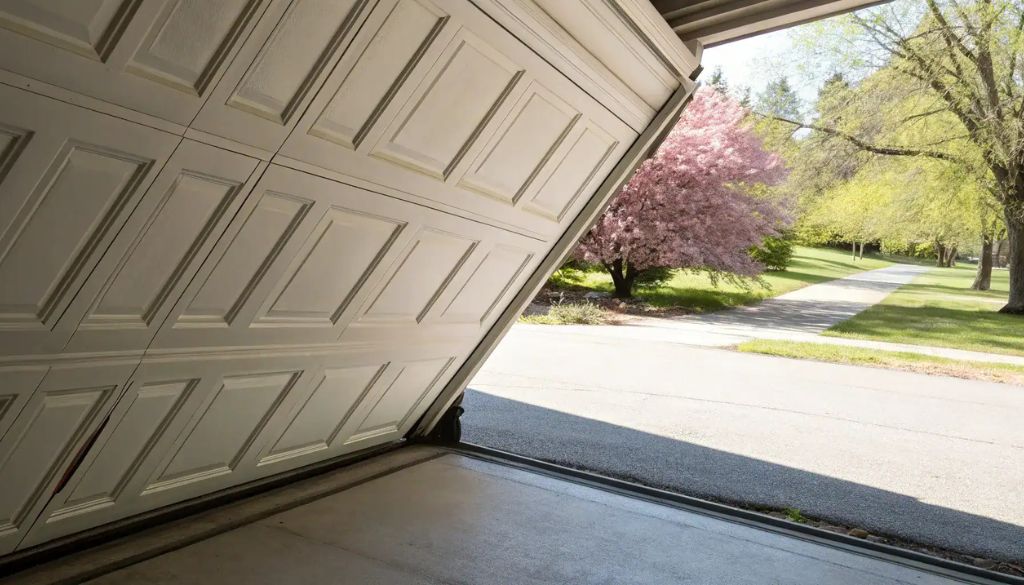
If your door looks like one side is lower than the other as it closes, or if you can see one cable looser than the other, you’re likely dealing with a spring or cable issue. An imbalanced door puts enormous strain on the opener motor, the track system, and the remaining functioning hardware. Springs and cables are under significant tension and should only be inspected or replaced by a trained technician — attempting to adjust them yourself carries a genuine risk of serious injury.
Door Stops Before Fully Closing
A door that slows to a halt before reaching the ground — leaving a gap at the bottom — may have a sensor obstruction, a limit switch out of calibration, or a track problem preventing full travel. Beyond the inconvenience, an incomplete closure is a security issue that leaves your home exposed. If you’ve recently dealt with garage door gaps for energy efficiency problems, a door that consistently stops short may be making those gaps worse.
Jerky Movement, Grinding Noises, or Vibration
A door that moves in stutters, produces a grinding or scraping sound, or sends vibrations through the wall when closing is signalling mechanical friction. This is often worn rollers, dry tracks, or a motor struggling with increased resistance. The longer this continues, the more likely it is to result in a component failure.
Simple Checks You Can Do First
Before calling a technician, there are a few things worth checking yourself:
Check the remote and power supply. A weak battery in your remote can cause erratic opener behaviour. Make sure the opener unit is receiving power and that any wall button is also working properly.
Inspect the tracks visually. Look along both tracks for visible debris, dents, or sections that appear out of alignment. Remove any obvious obstructions with a cloth or brush.
Check the sensor alignment. Each sensor unit (mounted low on each side of the door opening) should have a solid indicator light. If one is blinking or unlit, the sensors are likely misaligned. Gently adjust the bracket until both lights are steady.
Try a manual balance test. Disconnect the opener using the emergency release cord and try lifting the door manually to about waist height, then let go. A properly balanced door should hold its position or drop only slightly. If it falls quickly, your springs need professional attention. This is one of the most useful checks covered in our garage door troubleshooting guide.
When to Call a Garage Door Professional
Some issues are straightforward to check yourself, but others require a trained technician with the right tools.
Contact a professional if:
* Your door is visibly imbalanced or crooked during operation
* You can see frayed cables or a spring that appears broken or distorted
* The door has stopped responding reliably to the remote or wall button
* Basic sensor cleaning and realignment hasn’t resolved the slow-closing issue
* The opener motor sounds strained, overheating, or is running significantly longer than it used to
If your garage door closes slower than usual and you’re unsure whether it’s a normal safety feature or a sign of a mechanical problem, our Professional garage door repairs Carrara team can inspect the system and provide the right solution before the issue worsens.
A1 Garage Doors Gold Coast provides repairs and inspections across the Gold Coast and surrounding areas. If your door isn’t behaving as it should, our team can diagnose the issue and get it sorted without delay. Give us a call on (07) 5515 0277 to arrange a service visit.
Why Ignoring a Slow Garage Door Can Lead to Bigger Problems
A door that’s slow but “still working” is an easy one to put off. The problem is that most garage door issues are progressive — small faults create additional strain on the surrounding components, and what starts as a slow close can escalate into a door that won’t close at all, a broken spring, or a burnt-out opener motor.
Worn rollers grind against the track, which then causes track damage. A misaligned track puts pressure on cables. Cables under uneven tension stress the spring system. Each issue compounds the next. Just as a poorly installed door on uneven terrain — much like those covered in our post on garage door installations on a slope — can create long-term mechanical problems, ignoring the early signs of wear does the same thing to an otherwise sound setup.
The repair cost for a roller replacement or a sensor realignment is a fraction of what a broken torsion spring or a motor replacement runs to.
Preventing Garage Door Problems
Routine maintenance is the most cost-effective approach to garage door ownership. For Queensland homeowners, this is especially true given the heat, humidity, and coastal air that accelerates wear. Cold temperatures can affect your garage door’s performance, so it’s worth reading this guide on how to prevent garage door freezing to avoid unnecessary issues.
Every six months, run through the following:
Lubricate moving parts. Use a silicone-based or lithium-grease spray on rollers, hinges, and the spring — not WD-40, which attracts dust and dries out quickly. Avoid lubricating the tracks themselves, as this causes rollers to slip rather than roll.
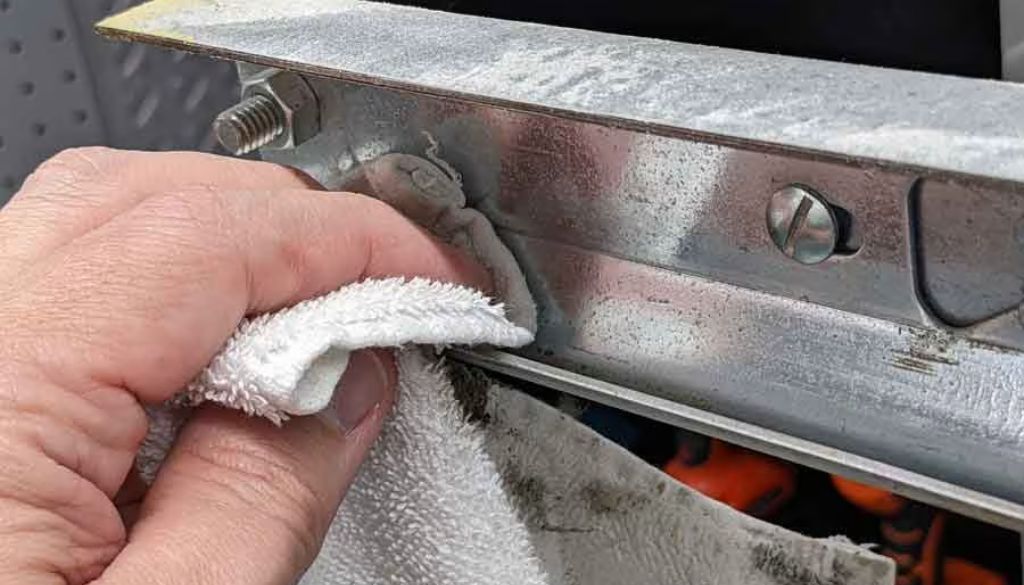
Clean the tracks. Wipe the inside of both tracks with a damp cloth to remove dust and debris. Check for any dents or bends.
Test the balance. Use the manual release and perform the balance test described above. If the door doesn’t hold at mid-height, book a spring inspection.
Clean the sensor lenses. A quick wipe with a dry cloth keeps both sensor units reading clearly.
Inspect the weather seal. The rubber seal along the bottom of the door keeps out water, pests, and debris. If it’s cracked or flattened, it’s worth replacing — and it connects directly to the kind of energy efficiency concerns addressed in our guide on fixing garage door gaps.
Annual professional servicing is the best complement to these DIY checks. A technician can test spring tension, cable condition, and opener settings in a way that’s safe and accurate.
Frequently Asked Questions
Is it normal for a garage door to close slowly?
Yes, in many cases. Modern automatic garage doors are designed to close at a controlled, safe speed rather than dropping quickly. If the speed has always been consistent and nothing has changed, it’s likely normal. If you’ve noticed a recent change in speed, that warrants investigation.
Why does my garage door stop halfway when closing?
The most common causes are a blocked or misaligned safety sensor, a limit switch that needs recalibration, or a track obstruction preventing full travel. A door that consistently stops short should be checked promptly, as it’s also a security concern.
How fast should a garage door close?
Most residential automatic garage doors close at around 15–30 cm per second, typically taking 12–15 seconds to travel a standard door height. If yours is taking noticeably longer than that, it’s worth checking the components.
Can I fix a slow garage door myself?
For minor issues like cleaning sensors, removing track debris, or lubricating rollers, yes. For anything involving springs, cables, or motor adjustment, a qualified technician is the safer and more reliable option.
What is the most common garage door repair?
Spring replacement and sensor realignment are among the most frequent service calls we attend on the Gold Coast. Worn rollers and cable issues are also common, particularly in homes where routine maintenance has lapsed.
Get It Sorted by a Gold Coast Garage Door Professional
A slow-closing garage door is easy to dismiss — until it stops altogether. If your checks haven’t resolved the issue, or if you’d rather have a professional run through the full system, A1 Garage Doors Gold Coast is ready to help.
Reach our team directly on (07) 5515 0277 or visit goldcoastgaragedoorrepair.com.au to book a service inspection across the Gold Coast.
