
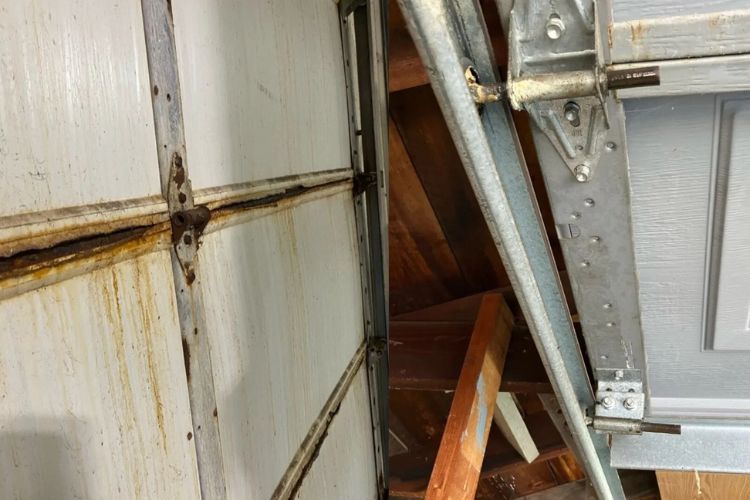
Squeaky Garage Door Fix: Causes, DIY Solutions & Expert Advice
That grinding, squealing noise every time you open your garage door isn’t just annoying—it’s your door telling you something needs attention. The good news is that most squeaky garage doors can be fixed with simple DIY maintenance. The key is knowing what’s causing the noise, which fixes are safe to tackle yourself, and when the problem requires professional expertise.
This guide covers the most common causes of garage door squeaking, walks you through safe DIY solutions, and helps you recognise when it’s time to call in a qualified technician.
If your squeaky garage door is part of a broader noise problem affecting your home, our comprehensive garage door noise reduction strategies covers everything from whisper-quiet openers to acoustic insulation options that transform your garage into a peaceful, silent-operating space.
Why Is My Garage Door Squeaking?
A squeaky garage door is never “normal.” That noise indicates friction, wear, or misalignment somewhere in the system. Identifying the source helps you choose the right fix.
Squeaks are often just one symptom of underlying garage door issues—our detailed garage door troubleshooting guide helps you diagnose whether that annoying noise indicates worn rollers, loose hardware, or more serious problems like damaged springs that require professional attention.
Lack of lubrication is the most common culprit. Metal components moving against each other without proper lubrication create friction that produces squeaking, squealing, or grinding sounds. This is usually the easiest problem to solve.
Worn or dry rollers develop flat spots or rough surfaces over time. Instead of rolling smoothly along the tracks, they drag and squeak. Metal rollers are particularly prone to this issue as they age.
Loose hinges, nuts, and bolts allow components to vibrate and shift during operation. The resulting metal-on-metal contact creates noise and accelerates wear on surrounding parts.
Misaligned or bent tracks force rollers to work harder than they should. The door may still operate, but the strain produces noise and puts stress on the entire system.
Worn or dry springs can squeak as they wind and unwind with each cycle. Springs under tension require occasional lubrication, though they should never be adjusted or replaced by anyone other than a trained professional.
Temperature-related expansion affects metal components, particularly in Queensland’s variable climate. Doors that squeak only on cold mornings or hot afternoons often have minor alignment issues that worsen as metal expands or contracts.
Is a Squeaky Garage Door Dangerous?
Not every squeak signals immediate danger, but dismissing the noise as merely annoying can prove costly. Understanding the severity helps you respond appropriately. Roller doors are particularly prone to squeaking due to their multiple moving components and track systems—our roller door repairs guide explains how torsion springs, extension springs, and worn rollers contribute to noise and when professional intervention is necessary for safe repairs.
Minor issues include dry hinges, dusty tracks, or rollers that simply need lubrication. These problems cause irritation but pose no immediate safety risk. A quick maintenance session typically resolves them completely.
Warning signs of serious failure include squeaking accompanied by jerky movement, doors that sound different on one side than the other, noises that started suddenly after years of quiet operation, or squeaking combined with visible sagging or unevenness. These symptoms suggest developing problems that worsen over time.
The risks of ignoring persistent noise extend beyond the annoyance. Accelerated wear damages components that might otherwise last years longer. Door imbalance strains your opener motor and shortens its lifespan. In worst cases, neglected issues lead to sudden failure—a garage door that won’t open when you need to leave for work, or worse, one that drops unexpectedly.
A squeaky door rarely becomes dangerous overnight, but the underlying cause almost always gets worse without attention.
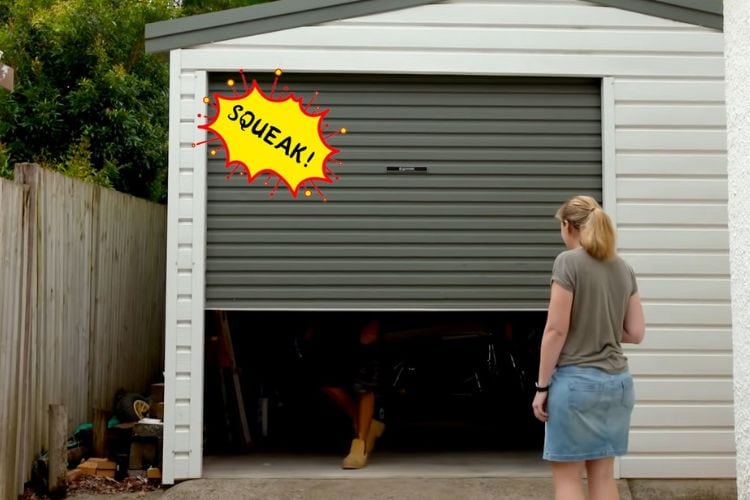
How to Fix a Squeaky Garage Door (DIY Steps)
Work through these steps in order. Most squeaky doors are fixed by the first or second step alone. A professional tune-up can eliminate persistent squeaks that DIY lubrication hasn’t fixed—learn what to expect during a garage door tune-up and maintenance service, including spring lubrication, chain adjustment, and safety testing that ensures your door operates quietly and reliably.
Step 1: Lubricate Moving Parts (The #1 Fix)
Proper lubrication eliminates the majority of garage door squeaks. Use a silicone-based spray or white lithium grease—never WD-40 as your primary lubricant, as it’s a solvent that cleans but doesn’t provide lasting lubrication.
Apply lubricant to the hinges where metal pivots against metal, the rollers (metal rollers only—nylon rollers don’t require lubrication), the springs with a light wipe along their length (don’t soak them), the bearing plates at either end of the torsion spring tube, and the opener rail along the top where the trolley travels.
Work the door up and down a few times to distribute the lubricant, then wipe away any excess. Over-application attracts dust and creates a grimy buildup that causes its own problems.
Step 2: Tighten Loose Hardware
Vibration from daily operation gradually loosens fasteners throughout the system. Using a socket wrench, check and tighten the bolts on each hinge, the brackets connecting tracks to walls and ceiling, the fasteners on the opener’s mounting bracket, and the screws holding sensor brackets in place.
Snug is sufficient—don’t overtighten. Stripped threads or cracked brackets create bigger problems than loose ones.
Step 3: Inspect Rollers
Examine each roller as the door moves. Healthy rollers spin freely and smoothly. Problem rollers show flat spots or wear marks, slide rather than roll, wobble or create excess vibration, or produce noise even after lubrication.
Metal rollers typically last five to seven years with proper maintenance. Nylon rollers cost more but operate more quietly and don’t require lubrication. If your rollers show significant wear, replacement is straightforward for a professional but involves removing components under tension—not a DIY job.
Step 4: Clean (Not Lubricate) the Tracks
Contrary to common belief, garage door tracks should never be greased or lubricated. The rollers need to grip the track surface slightly to function properly. Lubricant on tracks causes slipping and erratic movement.
Instead, clean the tracks by wiping the inside surfaces with a damp cloth to remove dust and debris, using a stiff brush for stubborn buildup, and checking for small stones, leaves, or other obstructions. Clean tracks allow rollers to move smoothly without creating noise or resistance.
Step 5: Test Door Balance (Visual Only)
An unbalanced door strains components and often creates noise. To check balance, disconnect the opener using the manual release cord, lift the door manually to about waist height, and release it carefully.
A balanced door stays in place or drifts slowly. A door that falls quickly or rises on its own has a spring tension problem. This is purely a diagnostic step—spring adjustment requires professional training and equipment and should never be attempted as a DIY repair.
Garage Door Noises Explained
Different sounds indicate different problems. Use this guide to identify what your door is telling you:
| Noise Type | Likely Cause |
| Squeaking | Dry rollers, hinges, or springs |
| Grinding | Worn rollers or debris in tracks |
| Banging | Loose hardware or door imbalance |
| Scraping | Track misalignment or bent sections |
| Popping | Spring tension issues or worn bearings |
If your noise doesn’t match the squeaking category, or if multiple sounds occur together, professional diagnosis is the safest approach.
What NOT to Do When Fixing a Squeaky Garage Door
Some repairs are genuinely dangerous for untrained homeowners. Avoid these actions regardless of what online tutorials might suggest.
Do not adjust torsion springs. These components store enough energy to cause severe injury or death. Even minor adjustments require specialised tools and training.
Do not remove or handle cables. The cables connecting to your springs are under significant tension and can whip with dangerous force if released improperly.
Do not force a door that resists movement. Resistance indicates a problem that forcing will worsen. Continued operation can cause sudden failure.
Do not operate a visibly uneven door. Unevenness suggests spring or cable issues that need professional assessment before the door is cycled again.
Do not lubricate tracks. This common mistake creates slipping hazards and erratic door behaviour.
When to Call a Garage Door Professional
Contact a qualified technician when noise persists after proper lubrication, the door appears uneven or crooked, springs make noise or show visible gaps, the door jerks, hesitates, or stops mid-travel, you hear a loud bang followed by operational changes, or the same noise returns shortly after DIY maintenance.
Professional inspection often costs less than homeowners expect, especially compared to emergency repairs after complete failure. Early intervention catches developing problems before they cause expensive damage.
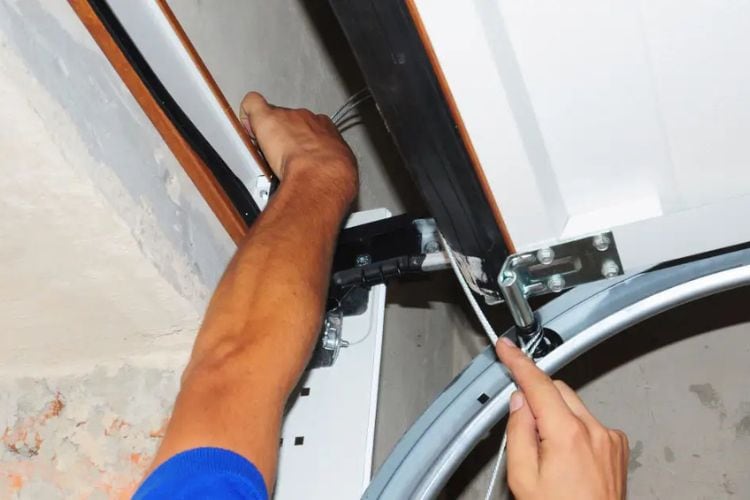
How Regular Maintenance Prevents Garage Door Noise
Prevention beats repair every time. A simple maintenance routine keeps your door quiet and extends its lifespan significantly. The best way to prevent squeaky garage doors is through regular upkeep—our guide on garage door maintenance and servicing outlines a five-step annual checklist including balance testing, lubrication schedules, and hardware inspections that keep your door operating smoothly and quietly year-round.
Every three to six months: Lubricate all moving metal parts and tighten loose hardware. This takes ten minutes and prevents most noise issues from developing.
Annually: Schedule professional servicing. A trained technician checks spring tension, cable condition, track alignment, and opener function—components that aren’t safe for DIY inspection.
Ongoing: Listen for changes. A door that suddenly sounds different deserves attention before the underlying cause worsens.
Frequently Asked Questions
Why does my garage door squeak only in cold weather?
Metal contracts in cold temperatures, affecting the fit between components. Minor alignment issues that don’t cause noise in warm weather become audible when parts shrink slightly. Proper lubrication usually resolves seasonal squeaking, though persistent cold-weather noise may indicate alignment problems worth professional assessment.
Can WD-40 fix a squeaky garage door?
WD-40 is a solvent and penetrating oil, not a lubricant. It may temporarily quiet a squeak by cleaning the area, but it doesn’t provide lasting lubrication and can actually displace proper lubricants. Use silicone spray or white lithium grease for garage door maintenance.
Should I lubricate garage door tracks?
No. Tracks should be cleaned but never lubricated. Grease or oil on tracks causes rollers to slip rather than roll, creating erratic movement and potentially dangerous operation. Keep tracks clean and dry.
Are squeaky garage doors a sign of spring failure?
Not necessarily, but springs can be the source. Light squeaking from springs often resolves with external lubrication. However, loud squeaking, popping, or grinding from the spring area—especially combined with door imbalance—may indicate wear that requires professional attention. Never attempt to adjust or inspect springs yourself.
How often should garage doors be lubricated?
Most manufacturers recommend lubrication every three to six months, though doors with heavy daily use benefit from more frequent attention. If you notice noise developing between scheduled maintenance, a quick lubrication session is always appropriate.
Still Hearing That Squeak?
If your garage door keeps making noise after working through these steps, the problem likely requires professional diagnosis. What sounds like a simple squeak sometimes indicates worn components, alignment issues, or developing problems that aren’t visible during basic inspection.
A1 Garage Doors Gold Coast provides expert repairs and maintenance for homeowners across the Gold Coast and Brisbane. Our trained technicians diagnose noise issues quickly, fix problems safely, and help prevent future breakdowns with professional servicing. With a 4.9-star rating and years of local experience, we handle the repairs that aren’t safe to DIY.
Call (07) 5515 0277 for same-day service on urgent repairs or to book a maintenance inspection that keeps your door running quietly for years to come.
