
How to Tighten Garage Door Cables Safely
If your garage door is opening unevenly, hanging at an angle, or you’ve noticed slack in the cables running along either side of the door, there’s a good chance your garage door cables need tightening. It’s a common issue — and one that Gold Coast homeowners often notice when the door starts behaving unpredictably. Cable tension issues become harder to spot in winter because cold-related stiffness can mask the symptoms — what feels like a freezing problem is sometimes a cable or spring issue underneath. Before the cold months hit, it’s worth reading our guide on garage door winter maintenance and freeze prevention to make sure you’re diagnosing the right problem from the start.
Before you grab a set of tools and start adjusting things yourself, it’s important to understand what you’re dealing with. Garage door cables work under extreme tension alongside the spring system, and incorrect handling can lead to serious injury or significant damage to the door. This guide explains what garage door cables do, why they lose tension, how the tightening process works, and — critically — when you should step back and call a qualified technician. If your door is completely stuck or won’t move at all, our emergency garage door repair guide covers what to do in that situation.
What Do Garage Door Cables Do?
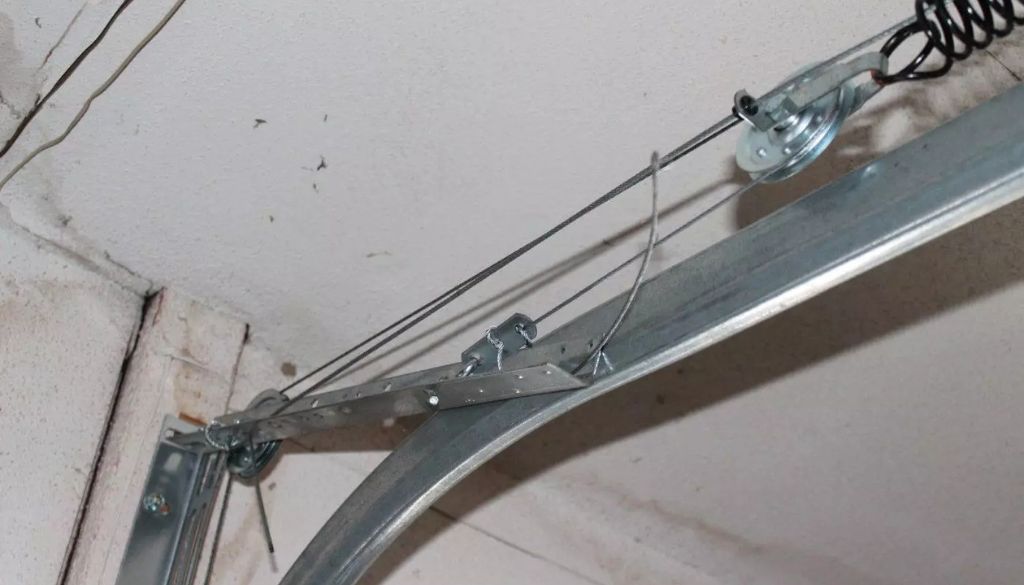
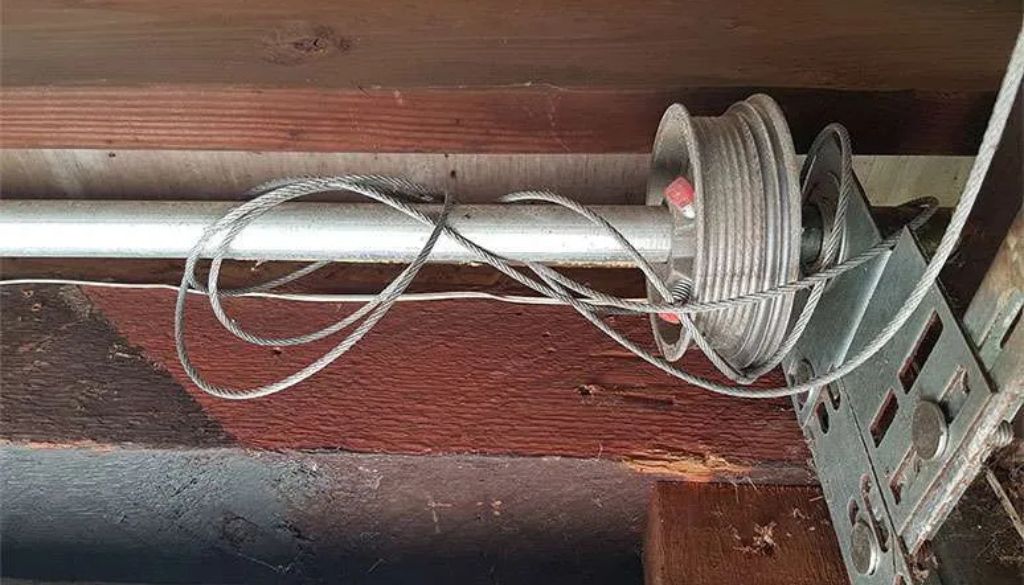
Garage door cables are the link between the spring system and the door itself. On a standard sectional garage door, two steel cables run from the bottom brackets on each side of the door, up through the track system, and wrap around cable drums mounted on the torsion bar above the opening. When the springs unwind, they rotate the drums, which wind the cables and lift the door.
Loose or frayed cables are one of the most overlooked causes of a startling noise during door operation — if tightening the cables hasn’t fully resolved the sound, our full breakdown of garage door loud bang causes and fixes covers the other mechanical culprits that are often responsible, so you can pinpoint the problem accurately before it gets worse.
Think of the cables as the muscle that translates the stored energy in the springs into controlled, balanced movement. Without proper cable tension, that energy isn’t distributed evenly — which means the door lifts crookedly, jams in the tracks, or refuses to stay in position. The relationship between the cables, drums, and springs is precise, and even a small imbalance on one side can cause noticeable problems with how the door operates. Once your cables are properly tightened, it’s a good idea to inspect the tracks as well — excess grease buildup on garage door tracks can create drag and uneven tension that puts unnecessary strain on the cables you’ve just adjusted.
Signs Your Garage Door Cables Are Loose
Loose cables don’t always announce themselves with an obvious snap or failure. More often, the signs are gradual and easy to dismiss until the problem worsens. Here’s what to watch for.
A door that opens unevenly — one side rising faster than the other — is the most common indicator. You might also notice visible slack or sagging in the cables when the door is in the closed position. In some cases, the door may appear crooked when partially open, or it might get stuck partway through its travel. If the door makes a grinding or scraping noise that it didn’t before, that can also point to a cable tension issue forcing the panels out of alignment with the tracks. For a broader look at these kinds of symptoms, our garage door troubleshooting guide walks through the most common problems and their likely causes.
Common Causes of Loose or Misaligned Garage Door Cables
Cables lose tension for several reasons, and understanding the cause helps determine whether a simple tightening will fix the issue or whether deeper repair is needed.
Over time, steel cables stretch slightly under the constant load of lifting and lowering the door — particularly on heavier insulated doors that cycle multiple times a day. Fraying and rust weaken the cable’s structure, which can cause it to slip on the drum or lose its grip on the bottom bracket. On the Gold Coast, salt air and humidity accelerate this corrosion, so cables here tend to wear faster than in drier climates. After adjusting your cables, it’s worth testing the door through a few full cycles to make sure nothing has shifted — cable work can sometimes bump the safety sensors out of position, so check out our guide on aligning garage door sensors if the door starts behaving erratically afterward.
Manual lifting is another common culprit. If the power goes out or the opener fails and you lift the door by hand without properly disengaging the opener, it’s easy to pull the cable off its drum track. Obstructions — a broom handle, a shoe, or debris caught in the tracks — can also cause the door to jam mid-travel, putting sudden lateral force on the cables and knocking them out of alignment.
Is It Safe to Tighten Garage Door Cables Yourself?
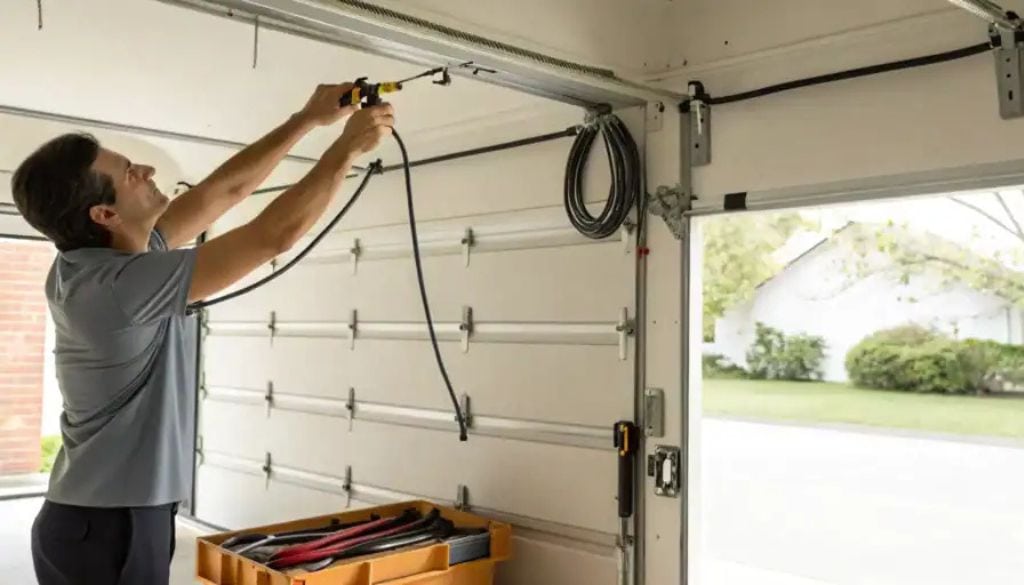
This is the most important question in this entire guide, and the honest answer is: it depends on the situation, but in most cases, it’s not recommended.
The cables themselves aren’t the danger — it’s what they’re connected to. Torsion springs store an enormous amount of energy. A standard residential torsion spring can hold enough force to lift a door weighing 80 to 150 kilograms. If a cable slips, a drum shifts, or a set screw releases while you’re working near the spring system, the result can be a sudden, violent release of that stored energy. This is how serious hand, arm, and facial injuries occur during garage door repairs.
If you have a minor tension imbalance and you’re comfortable working with basic tools, you may be able to make a small adjustment to the cable drum set screws. But if the cable has come off the drum entirely, if the spring appears damaged or unevenly wound, or if you’re unsure about any step in the process — stop. The risk isn’t worth saving the cost of a service call.
Tools and Safety Equipment Needed
If you’ve assessed the situation and determined the adjustment is minor and within your comfort level, you’ll need vice grips or locking pliers to secure the door in the open position, a socket wrench or adjustable wrench for the drum set screws, a sturdy ladder, safety gloves, and eye protection. A winding bar set is required if any spring adjustment is involved — never use a screwdriver or other improvised tool as a substitute.
How to Tighten Garage Door Cables: Overview of the Process
We’re providing this as a high-level overview so you understand what’s involved. This is not a step-by-step DIY instruction — the process involves components under high tension, and improper handling can cause injury.
The general process begins with disconnecting power to the garage door opener to prevent it from activating mid-repair. The door is then raised fully and secured in the open position using vice grips clamped onto the track below the bottom roller. This prevents the door from dropping while you work.
With the door secured, the set screws on the cable drum are loosened slightly — just enough to allow the cable to be repositioned or taken up. The cable is pulled taut and the drum is rotated to wind the cable evenly around it, removing any slack. Once tension is correct, the set screws are re-tightened. This process is then repeated on the opposite side, ensuring both cables carry equal tension so the door rises evenly.
After adjustment, the vice grips are removed and the door is tested manually several times before reconnecting the opener. The door should travel smoothly, sit level when partially open, and rest flush against the floor when closed. If it doesn’t, further adjustment or professional inspection is needed.
How to Reattach a Cable That Has Come Off the Drum
A cable that has jumped off the drum is a more involved repair than simple tightening. The cable needs to be wound back onto the drum in the correct direction — typically away from the centre of the door — and seated into the drum’s cable groove. If the cable is wound incorrectly or the tension isn’t matched on both sides, the door will track unevenly and the cable is likely to come off again.
This repair almost always requires releasing and resetting spring tension, which is where the real danger lies. Unless you have specific experience with torsion spring systems, this is a job for a professional technician.
When Tightening Isn’t Enough: Cable Replacement
If your cables are frayed, kinked, visibly corroded, or have snapped entirely, tightening isn’t going to solve the problem — you need replacement cables. Industry best practice is to replace both cables at the same time, even if only one has failed. The logic is straightforward: if one cable has worn to the point of failure, the other is likely not far behind, and replacing both ensures even tension and balanced operation from day one.
Replacement cables should be matched to the door’s weight and size. Stainless steel or galvanised cables are standard for residential doors, with aircraft-grade cable used on heavier commercial applications. Your technician can advise on the right grade for your specific door. For homeowners considering a broader upgrade to their garage door system, our article on garage door opener options covers how modern openers work alongside these mechanical components.
Cost to Tighten or Repair Garage Door Cables
| Repair Type | Estimated Cost | Notes |
|---|---|---|
| Cable tightening / adjustment | $80 – $200 | Minor tension correction, both sides |
| Cable reattachment (off drum) | $150 – $300 | Includes tension reset and balance check |
| Full cable replacement (pair) | $200 – $450+ | Both cables, parts and labour |
| Cable + spring replacement | $350 – $700+ | When spring damage caused the cable failure |
Costs are indicative for the Gold Coast area and vary based on door type, weight, and access. Call A1 Garage Doors Gold Coast on (07) 5515 0277 for an accurate quote.
Why Professional Garage Door Technicians Are Recommended
A professional doesn’t just tighten a cable and leave. A qualified technician will inspect the entire system — cables, drums, springs, rollers, tracks, and brackets — to identify the root cause of the tension loss and check for wear on related components. They carry the correct tools, including winding bars rated for your spring size, and they know how to safely manage the tension throughout the repair.
At A1 Garage Doors Gold Coast, our technicians have been servicing Gold Coast and Brisbane homes since 2020, with a 4.9-star rating from homeowners who value safe, reliable workmanship. A full system check after cable work ensures the door is balanced, the opener limit settings are correct, and everything operates as it should. If you’re also noticing issues with the door panels themselves — dents, bowing, or misalignment — our guide on bent garage door panel repair explains your options.
Preventing Loose Garage Door Cables in the Future
Preventive maintenance is the simplest way to avoid cable problems. A visual inspection every few months — checking for fraying, rust, or slack — takes less than a minute and can catch issues early. Avoid manually lifting the door without first disengaging the opener using the emergency release cord. Keep the tracks clear of debris, and listen for changes in how the door sounds during operation — new noises often signal a tension or alignment shift before it becomes visible. Regular professional servicing, ideally once a year, gives a technician the chance to spot cable wear, spring fatigue, and roller deterioration before they escalate into failures.
For broader tips on keeping your garage comfortable and functional, our article on garage door insulation is worth a read if you’re already thinking about garage maintenance.
Frequently Asked Questions
How do you tighten garage door cables?
The process involves securing the door open, loosening the cable drum set screws, pulling the cable taut, re-winding it onto the drum, and re-tightening the set screws. Both sides must be adjusted evenly. Due to the high-tension spring system involved, professional service is recommended.
Can you tighten garage door cables yourself?
Minor adjustments may be within a confident DIYer’s ability, but any work near the torsion springs or cable drums carries real injury risk. If the cable has come off the drum or the springs appear damaged, call a professional.
Why is one garage door cable loose?
This usually means the cable has slipped on the drum, stretched unevenly, or the drum set screw has loosened on one side. It can also indicate a spring issue on that side of the door.
What happens if a garage door cable breaks?
The door will drop or hang at an angle, and the opener will struggle or refuse to lift it. A broken cable can also cause the door to jam in the tracks. Do not attempt to operate the door — call for professional repair.
Need Your Garage Door Cables Inspected or Repaired?
Don’t risk injury trying to manage high-tension components on your own. The team at A1 Garage Doors Gold Coast provides fast, professional cable repairs across the Gold Coast and Brisbane — from simple tension adjustments to full cable and spring replacements.
Call (07) 5515 0277 for a same-day assessment, or submit an enquiry at goldcoastgaragedoorrepair.com.au. We’re here to get your door running safely and smoothly.
