
Light-Based Safety Networks * Roller and track condition
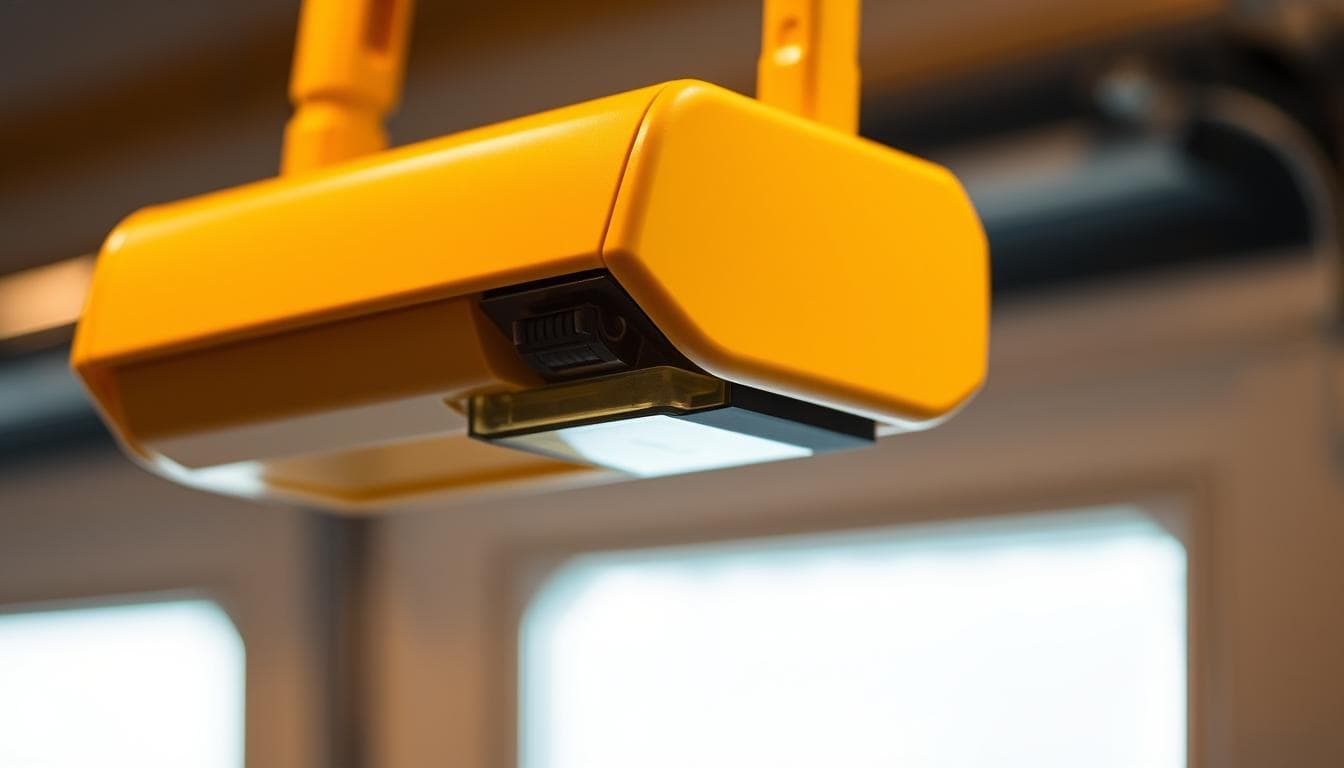
Infrared technology forms the backbone of obstruction detection in your garage door system. Two units create an unseen beam across the entry path – one emits light, the other catches it. When connected, this pair acts like digital sentries guarding against accidents and potential damage. * Spring balance
Ever seen a 200kg garage door halt mid-close? That’s the beam reacting instantly to any issue. Leaves, toys, or pets breaking the connection trigger an automatic reversal. This failsafe has prevented countless crushed bikes and curious paws nationwide. * Cable tension
Teamwork Makes Safety Work * Electrical circuitry
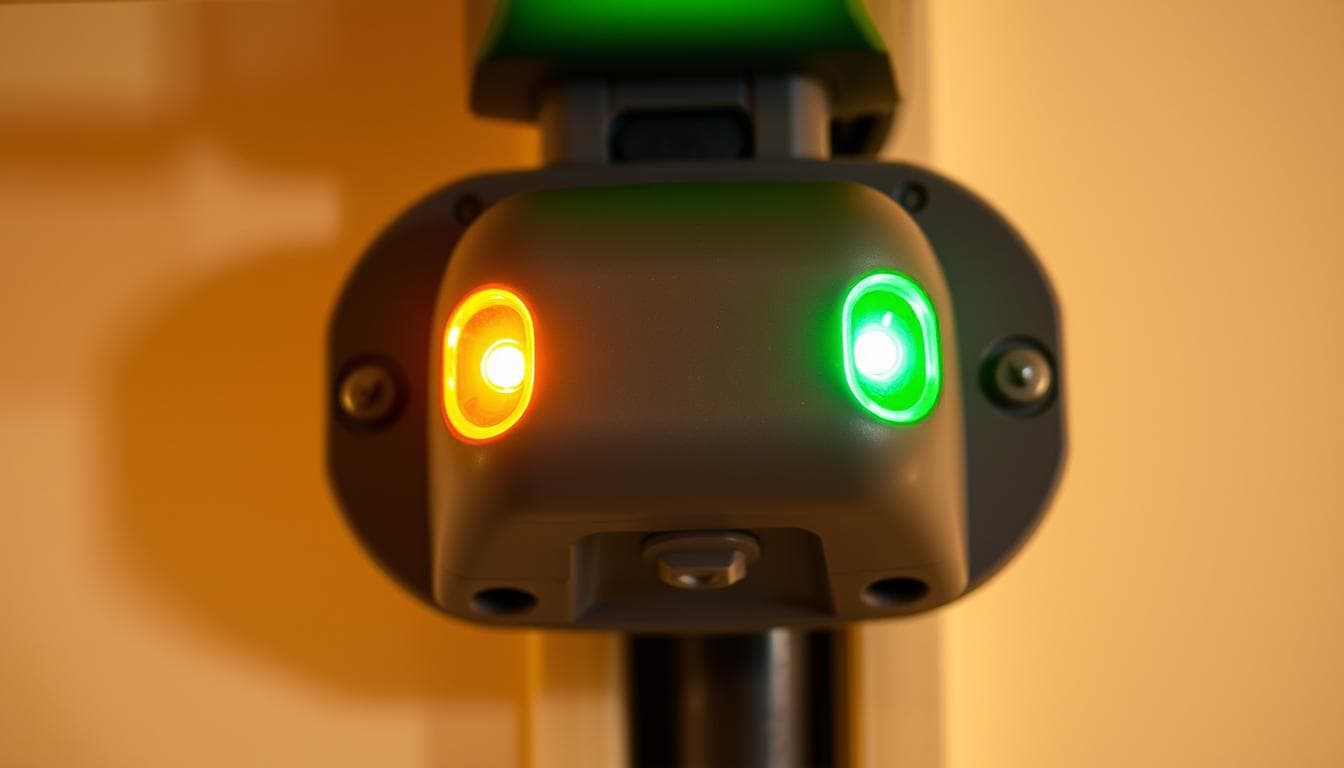
The sending unit (usually amber-lit) constantly transmits signals. Its green-lit partner confirms receipt. Together, they form a protective curtain that outsmarts potential problems and disasters.Most bouncing issues are resolved within 1–2 hours.
| ComponentPreventative Maintenance Tips | RoleRegular maintenance can prevent bouncing and prolong the life of your garage door: | Indicator* Clean sensors every six months | Function * Lubricate rollers and hinges twice yearly |
|---|---|---|---|
| Transmitting Sensor * Inspect limit settings annually | Beam creator * Keep the threshold clear | Steady amber * Schedule a yearly professional inspection | Sends infrared signalsRegular maintenance ensures your door operates smoothly and safety features work as intended. |
| Receiving SensorSafety Considerations | Beam detectorNever: | Solid green* Bypass safety sensors | Confirms connection * Tamper with torsion springs |
Dust or misalignment breaks this crucial link. Regular cleaning maintains peak performance. Remember – a well-maintained garage door system could one day save your car bumper or much worse! * Attempt electrical board repairs without qualifications
What Does a Yellow Light Mean on Garage Door Sensors?Garage doors are heavy, operate under tension, and improper repairs can cause injury or property damage. For urgent issues, use:
Your garage’s silent guardian communicates through coloured signals—here’s how to listen. Those glowing dots near the floor aren’t random decorations. They form a coded language that reveals your garage door system’s health and readiness.Emergency Garage Door Repair Services
Interpreting Indicator Lights.
A steady amber glow usually means good news. It shows the Frequently Asked QuestionstransmittingWhy does my garage door bounce even when nothing is in the way? unit has power and sends infrared beams properly. When paired with a green companion light across the doorway, your safety network is fully operational.Most often, misaligned sensors, incorrect limit switch settings, or mechanical resistance are the culprits.
Popular Australian brands like LiftMaster and Chamberlain follow this colour pattern. But others play by different rules. Ever noticed red lights on a neighbour’s setup? Genie systems often use crimson for normal operation, while Marantec models might flash blue during alignment.Can I adjust the limit switch myself?
| BrandYes, carefully and in small increments. Always refer to your opener manual. | Transmitter LightIs a bouncing garage door dangerous? | Receiver LightYes. It can pinch objects, strain components, and damage your opener. | Normal StatusHow long does it take to fix? |
|---|---|---|---|
| LiftMasterProfessional repairs typically take 1–2 hours. | YellowBook a Garage Door Inspection | GreenIf your garage door keeps reversing or bouncing and basic troubleshooting hasn’t solved it, it’s time for a professional assessment. | SteadyA1 Garage Doors Gold Coast |
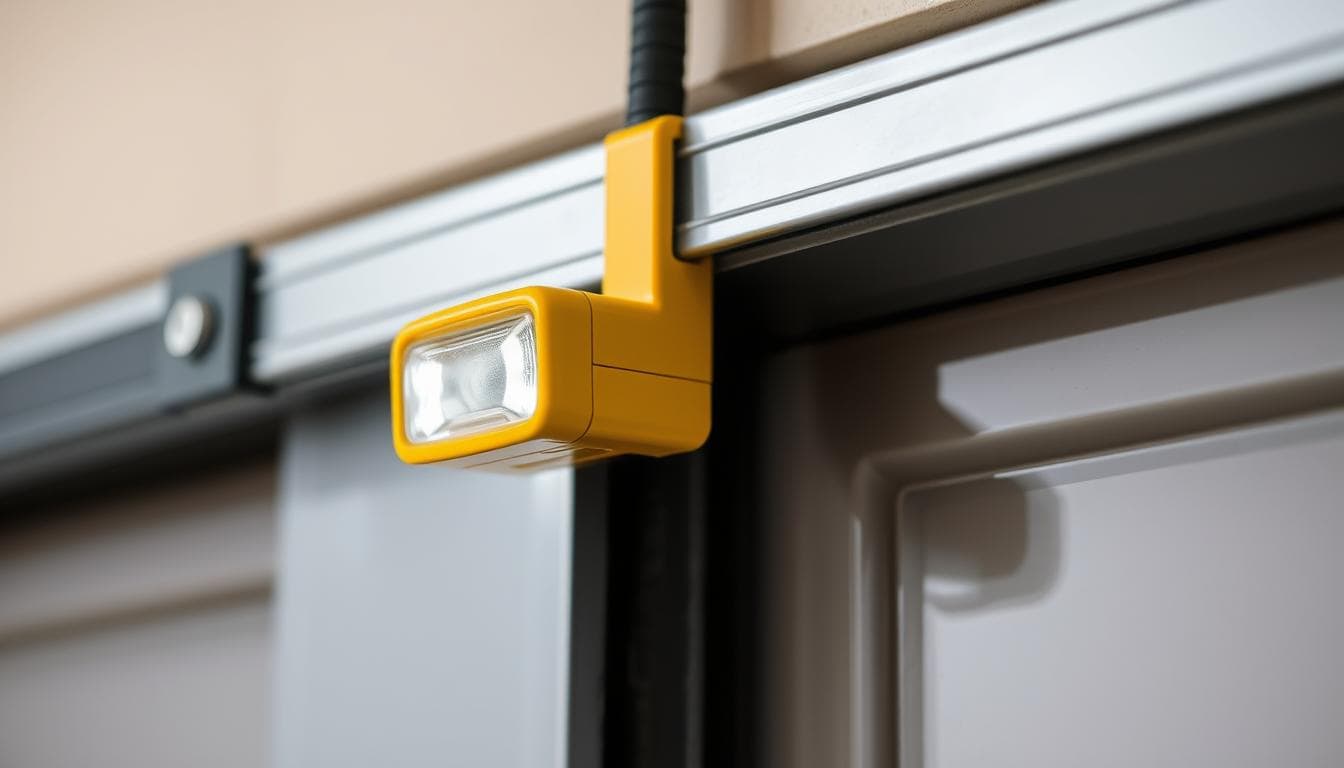
can sometimes lead to misaligned sensors, which may cause the garage door sensor to show a yellow light.
LiftMaster and Chamberlain Systems Demystified
These market leaders share a colour language but demand different approaches. The transmitting unit’s amber glow and receiver’s green light indicate normal operation. Newer models, however, can be as temperamental as a Melbourne weather forecast during setup.
Why Is My Garage Door Sensor Yellow
| Brand | Common Issues | Quick Fixes | Pro Tip |
|---|---|---|---|
| LiftMaster | Alignment drift | Check 10-15cm height | Use laser level for precision |
| Chamberlain | Wiring corrosion | Inspect terminal connections | Apply dielectric grease |
LiftMaster units often act up after summer storms. Humidity seeps into housing, causing false alerts. Wipe down casings and check for condensation behind lenses. For Chamberlain systems, that intermittent amber light might signal loose wiring rather than alignment issues – tighten those screw terminals first.
Both brands benefit from their dedicated customer support teams. Many Aussies don’t realise free phone diagnostics are included with warranty registration. Before paying for a technician, try their video troubleshooting guides – they’ve saved countless weekend warriors from frustration.
Remember, these premium systems have safety features that cheaper models lack. That complexity means professional calibration tools often spot issues invisible to the naked eye. If basic cleaning and realignment fail, it’s worth booking that service call.
Environmental Interferences and Wiring Concerns
Your garage’s safety system faces silent threats daily – some obvious, others hidden in plain sight. From harsh sunlight to sneaky cable damage, these challenges demand regular attention to keep protection reliable.
Impact of Sunlight and Obstructions
Ever noticed your security beam failing at the same time each afternoon? Blazing Aussie sun can flood sensor lenses, drowning out infrared signals. A simple shield bracket or slight angle adjustment often solves this. For persistent glare, try mounting a small awning above the units.
Nature’s debris causes more chaos than you’d expect. Autumn leaves, morning dew, or determined spiders can block the beam’s path completely. Weekly wipe-downs prevent buildup, while trimming nearby plants reduces leafy intruders.
Wiring Inspection and Necessary Repairs
Those thin cables snaking to your garage door opener? They’re lifelines needing gentle care. Post-renovation checks are crucial – paint splatters or accidental snags can damage insulation. Look for cracked sheathing or exposed copper near connection points that could lead to sensor problems.
Pro tip: Secure loose wires with cable clips to prevent tugging. For complex common sensor issues, professional help ensures safe fixes. Remember – dodgy wiring won’t improve with time, and delays risk bigger problems with your garage door sensors.
Monthly visual checks take minutes but save hours of frustration. Spotting early signs like flickering lights or erratic operation helps address concerns before they escalate into bigger issues. Your garage’s guardians deserve this simple care!
FAQ
How do garage door sensors work?
These devices use infrared beams to detect obstructions. If something blocks the infrared beam while closing, the system stops immediately to prevent accidents. Proper alignment between both sensors is crucial for smooth operation and avoiding any potential issues.
What does a yellow indicator light mean?
A steady yellow glow often signals alignment problems or dirty lenses. Blinking yellow usually indicates a broken beam connection. Check for obstructions or misalignment first before exploring wiring issues, as these can lead to significant problems.
Can sunlight affect sensor performance?
Direct sunlight can overwhelm infrared receivers, creating false obstruction alerts. Try shading the sensors during peak daylight hours or adjusting their angle slightly to avoid solar interference and ensure proper function.
How do I clean sensor lenses properly?
Use a microfiber cloth with mild glass cleaner. Wipe gently in circular motions, ensuring no residue remains. Avoid abrasive materials that could scratch the lenses and reduce sensitivity, as this could lead to operational issues.
Why won’t my Chamberlain sensors stay aligned?
Vibrations from frequent use can loosen mounting brackets. Tighten all screws and verify both units sit flush against their mounts. For LiftMaster models, check the diagnostic LED pattern in the manual for specific error codes that might indicate a problem.
When should I inspect the wiring?
Examine cables if lights flicker or sensors behave erratically. Look for chew marks from pests, frayed insulation, or loose terminal connections. Always disconnect power before handling electrical components to avoid any potential issues.
Will a misaligned sensor drain power?
While not a direct power drain, constant error signals force the opener motor to work harder. This strain can shorten the system’s lifespan and increase energy use over time, making it essential to address any alignment issues promptly.
