
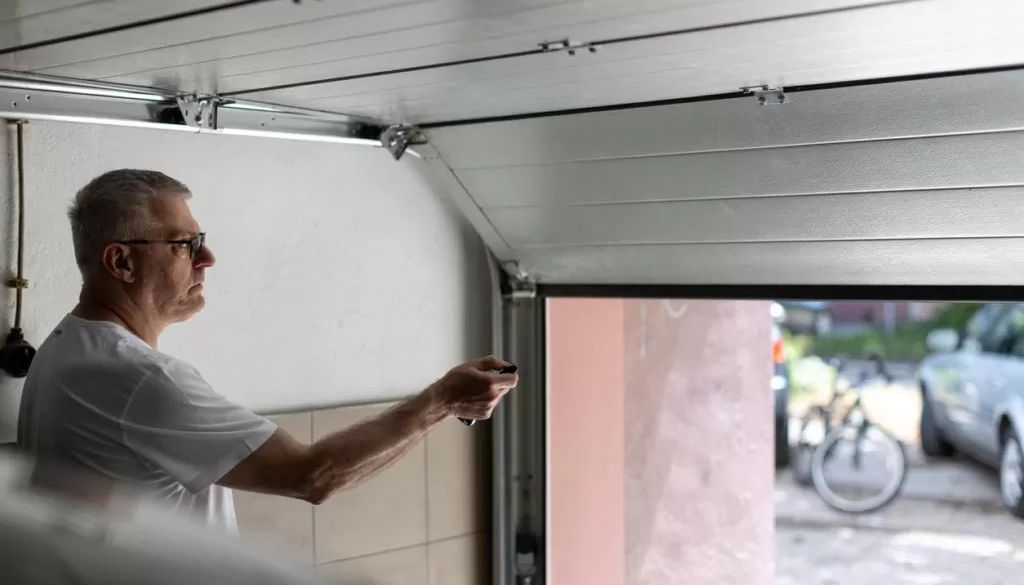
A garage door that shakes, jerks, or vibrates when it opens isn’t just annoying – it’s your door telling you something is wrong. The question most Gold Coast homeowners ask is simple: do I need to worry about this? If you’re considering a new garage door, understanding the differences between roller door vs panel lift systems can help you choose an option that operates more smoothly and minimizes excessive shaking.
The short answer is yes, you should take it seriously. While minor vibrations aren’t always an immediate emergency, persistent shaking is a warning sign that components are wearing down, and left unaddressed, a shaking garage door can become genuinely dangerous.
In this guide, we’ll break down exactly why your garage door shakes when opening, help you assess the risk level, walk you through what you can safely check yourself, and explain when it’s time to call the professionals at A1 Garage Doors Gold Coast.
Why Is My Garage Door Shaking When Opening?
Garage doors are complex mechanical systems with dozens of moving parts. Over time, with daily use and exposure to the Queensland climate, wear and tear is inevitable. Shaking is almost always caused by one or more components falling out of alignment, losing lubrication, or beginning to fail. Here are the five most common culprits. If your garage door continues to shake during operation, inspecting the garage door lift mechanisms can help identify worn or misaligned components affecting its performance.
1. Worn or Loose Garage Door Components
Hinges, brackets, and bolts take a beating with every single cycle your door makes. Over months and years, these fasteners can work loose, and hinges can begin to bend or deform. When hardware is loose, the door panels flex and rattle instead of moving as a single rigid unit – causing that characteristic shaking motion as the door lifts.
This is one of the easiest issues to spot: check the hinges along each panel and the bolts on the track brackets. If any feel loose to the hand, this is likely contributing to your problem.
2. Dirty or Stiff Rollers
The rollers are the small wheels that guide your door along the tracks. On the Gold Coast, salt air, dust, and humidity accelerate the buildup of grime inside the tracks and on the rollers themselves. When rollers can’t roll freely, they slide and skip instead – creating vibration and jerky movement.
Plastic rollers (common on older doors) wear out faster than nylon or steel variants. Nylon rollers are the preferred choice for smooth, quiet operation and are more resistant to the coastal environment.
3. Track Misalignment or Obstructions
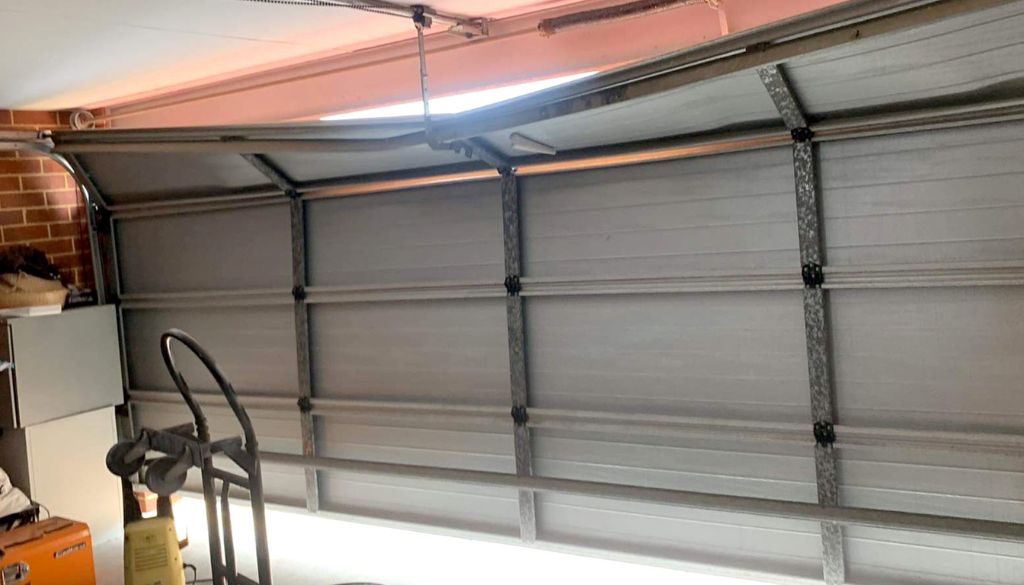
The tracks on either side of your door need to be perfectly aligned for smooth operation. A knock from a vehicle, an impact during a storm, or the gradual loosening of mounting brackets can cause tracks to shift out of position. Even a few millimetres of misalignment forces the rollers to bind and fight their way up the track – producing that jerking, shuddering movement.
Check your tracks visually: are they straight? Is there a visible gap between the roller and the track rail? Obstructions like small stones, debris, or built-up hardened grease can also cause the rollers to catch.
4. Garage Door Opener Problems
Your opener motor and its drive system – whether chain, belt, or screw drive – can also be the source of shaking. Chain drive openers are particularly prone to vibration when the chain stretches or skips on the sprocket. A worn drive gear, a failing motor capacitor, or a door running at the wrong speed setting can all generate shuddering during operation.
If the shaking seems to come from the ceiling-mounted motor unit rather than the door itself, the opener is likely the issue. See our Garage Door Opener Comparison guide to understand when a replacement makes more sense than a repair.
5. Balance or Installation Issues
A properly balanced garage door should hold its position when disconnected from the opener and raised to the halfway point. If it drops or rises on its own, the spring tension is off – meaning the opener is compensating for uneven weight distribution on every single cycle. This creates uneven, jerky movement and dramatically increases wear on every other component.
Is a Shaking Garage Door Dangerous?
This is the core question, and the honest answer is: it depends on the cause and severity – but the risks are real.
Increased Wear on All Components
Vibration is a stress multiplier. A door that shakes on every cycle is accelerating wear on rollers, tracks, hinges, springs, and cables simultaneously. What starts as a minor shimmy can evolve into a complete component failure within months.
Risk of Door Misalignment
Persistent shaking can knock tracks further out of alignment, creating a self-reinforcing problem. A misaligned door may start binding mid-cycle, close unevenly, or fail to seal at the bottom – creating security gaps and weather exposure.
Potential Safety Hazards
This is where a shaking garage door becomes genuinely dangerous. Torsion springs and cables are under enormous tension. If a spring fails suddenly because vibration has accelerated metal fatigue, it can snap violently. A door with failing springs or frayed cables can drop without warning. This is not a hypothetical risk – it’s the reason spring and cable issues should always be assessed by a licensed technician. For more detail on when to treat a garage door fault as an emergency, read our Emergency Garage Door Repair guide.
Quick Diagnosis: Symptom → Cause → Action
| Symptom | Likely Cause | Recommended Action |
|---|---|---|
| Vibration + grinding noise | Worn or dry rollers | Lubricate; replace if worn |
| Jerky movement throughout | Track misalignment | Professional realignment |
| Shaking from motor unit | Opener chain/belt issue | Opener service or replacement |
| Door drops to one side | Spring imbalance | Professional spring adjustment |
| Rattling during movement | Loose bolts/hinges | Tighten hardware – DIY safe |
| Shaking + visible cable fraying | Failing cables | Stop use; call technician immediately |
Signs the Problem Is Getting Worse
These warning signs indicate you’re past the “monitor it” stage and need to act promptly.
Excessive Noise or Rattling
A grinding, scraping, or loud rattling noise accompanying the shake points to metal-on-metal contact – components that are no longer moving freely. This is active damage occurring with every cycle.
Jerky or Hesitant Movement
A door that stutters, pauses mid-travel, or moves in lurches rather than a smooth arc is fighting significant resistance somewhere in the system. The opener motor is under serious strain on every cycle.
Crooked or Unbalanced Door
If the door visibly leans to one side when open, or doesn’t close flush with the ground, you have a structural alignment or spring balance problem. This goes beyond basic maintenance – see our full garage door troubleshooting guide for a detailed diagnostic process.
Visible Damage to Springs or Cables
If you can see frayed cables, rust on springs, or a gap in a torsion spring coil, stop using the door immediately. These components store enormous mechanical energy and can cause serious injury when they fail suddenly. Do not attempt to adjust or repair springs or cables yourself.
How to Troubleshoot a Shaking Garage Door
There are several checks you can safely carry out before calling a technician. Work through these in order.
1. Inspect Tracks for Dirt or Debris
Wipe down both the vertical and horizontal track sections with a damp cloth and remove any visible debris, hardened grease, or foreign objects. On the Gold Coast, salt air means tracks can accumulate grime faster than in inland areas – this step alone fixes many vibration complaints.
2. Lubricate Moving Parts
Apply a silicone-based lubricant (not WD-40, which is a solvent, not a lubricant) to the rollers, hinges, and the torsion spring bar. Avoid lubricating the tracks themselves – this makes them slippery and creates a different set of problems. A well-lubricated system should noticeably reduce vibration within a few cycles.
3. Tighten Loose Hardware
Using a socket set, work your way down both sides of the door tightening all visible bolts, screws, and brackets. Pay particular attention to the hinge plates between panels and the bolts securing the track brackets to the wall. Don’t overtighten – firm and snug is sufficient.
4. Check Door Balance
Disconnect the opener by pulling the red emergency release cord, then manually lift the door to about hip height and let go. A balanced door will stay put. If it drops or climbs on its own, the spring tension needs professional adjustment. Running an unbalanced door through a motorised opener causes cumulative damage to every component in the system.
When You Should Call a Professional
Some garage door problems are not safe for homeowners to attempt. Call A1 Garage Doors Gold Coast on (07) 5515 0277 if:
- Shaking persists after completing the maintenance steps above
- The opener motor is grinding, smoking, or the chain/belt is visibly damaged
- You can see frayed, kinked, or slack cables
- There is a gap in a torsion spring coil, or a spring looks corroded or deformed
- The tracks are visibly bent or have pulled away from the wall
- The door dropped suddenly, closed unevenly, or jammed mid-cycle
⚠️ Safety Note: Torsion springs and cables are under extreme tension. Attempting to adjust, replace, or tamper with these components without proper training and tools can result in severe injury – even when the door appears stationary. Always engage a licensed technician for spring or cable work.
How to Prevent Garage Door Shaking
The good news: most shaking problems are entirely preventable with a simple maintenance routine.
Regular Lubrication (Every 6 Months)
Apply silicone spray to rollers, hinges, and springs every six months – or every three months if your property is close to the coast. The Gold Coast’s salt-laden air accelerates corrosion and dries out lubricants faster than in inland areas.
Routine Inspections (Monthly)
Once a month, run the door through a full cycle and listen carefully. Check for new noises, look for loose hardware, and visually inspect the tracks. Five minutes of monthly attention catches small problems before they become expensive repairs.
Professional Annual Maintenance
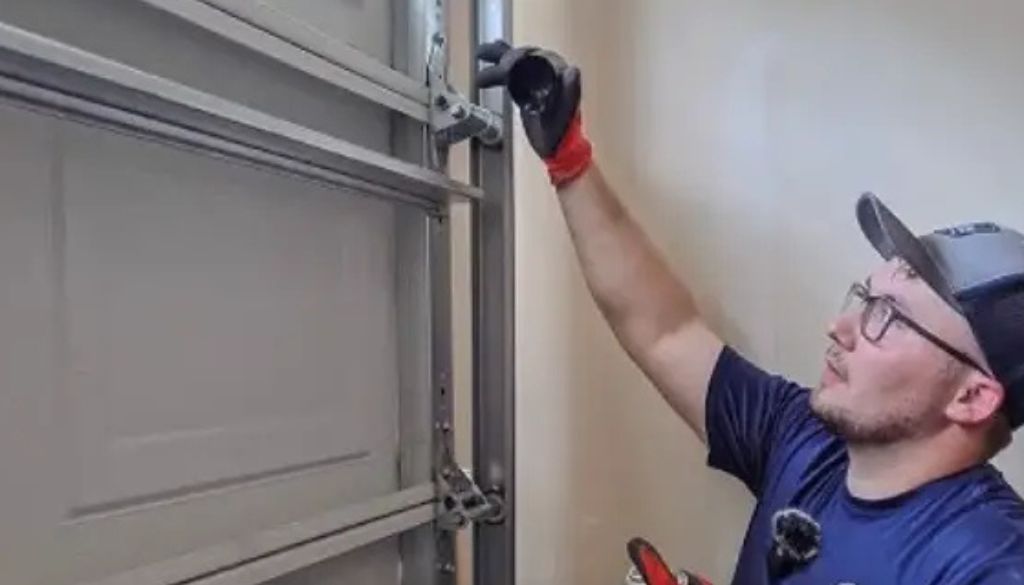
Even with diligent DIY upkeep, an annual service by a licensed technician is the single best investment you can make in your garage door’s longevity. A professional inspection covers spring tension calibration, cable condition, opener diagnostics, and track alignment – things that require tools and expertise beyond what a homeowner can safely assess.
Book your annual service with A1 Garage Doors Gold Coast: (07) 5515 0277
📞 Ready to Fix Your Shaking Garage Door?
The team at A1 Garage Doors Gold Coast has been servicing residential and commercial doors across the Gold Coast since 2020. With a 4.9/5 review rating and same-day availability, we make it easy to get your door running smoothly and safely again. If your garage door continues to shake despite basic troubleshooting, it’s best to rely on Trusted garage door services in Pacific Pines for a thorough inspection and professional repairs to restore safe, smooth operation.
Call: (07) 5515 0277 Visit: goldcoastgaragedoorrepair.com.au Location: 1 Waterford Ct, Bundall QLD 4217
FAQ: Shaking Garage Door Problems
Why does my garage door jerk when opening?
Jerky movement is most commonly caused by worn or dry rollers, debris in the tracks, or track misalignment. Less commonly, a slipping opener chain or failing drive gear can produce the same effect. Start by lubricating the rollers and inspecting the tracks before considering more involved repairs.
Can a garage door opener cause shaking?
Yes. Chain drive openers in particular can cause the entire door to shudder when the chain stretches or skips on the sprocket. Belt drive units are significantly smoother and quieter. If the vibration seems to originate from the ceiling-mounted motor unit, the opener should be the focus of your inspection.
Is it safe to use a shaking garage door?
It depends on the cause. Minor vibration from a loose bolt or dry roller is unlikely to cause immediate failure. However, if the shaking is accompanied by grinding noises, uneven movement, or visible spring or cable damage, you should stop using the door until it’s been assessed by a professional. The risk of a sudden uncontrolled drop is real.
How often should garage doors be serviced?
A professional service is recommended annually. In coastal environments like the Gold Coast, where salt air accelerates corrosion and wear, consider a service every 6–12 months. Between professional visits, carry out your own lubrication and visual inspection every 3–6 months.
