
Garage Door Safety Standards in Australia Explained
Learn about Australian garage door safety standards including fire ratings, BAL requirements, auto-reverse sensors and AS/NZS compliance. Gold Coast experts.
Your garage door is likely the largest moving object in your home. Weighing anywhere from 100 to 200 kilograms, it opens and closes thousands of times each year, relying on powerful springs, motors and mechanical components to function safely. When these systems meet Australian safety standards, they protect your family, your property and your peace of mind. When they don’t, the consequences can be serious.
Understanding garage door safety standards helps you make informed decisions about installation, maintenance and upgrades. This guide covers the essential standards every Australian homeowner should know.
Why Garage Door Safety Standards Matter
Garage doors present unique hazards that standards are designed to address. The door itself poses crushing and entrapment risks, particularly for children and pets. The mechanical systems—high-tension springs, cables and motorised openers—store significant energy that can cause severe injury if components fail or are improperly maintained.
Beyond physical safety, garage doors play a critical role in fire protection. In many Australian homes, the garage shares a wall with living spaces or provides direct internal access. A non-compliant door can allow fire and smoke to spread rapidly through the property.
Australian safety standards establish minimum requirements for materials, construction, installation and ongoing operation. Meeting these standards ensures your garage door performs safely every single day.
Fire Safety Standards for Garage Doors
Fire protection is one of the most critical aspects of garage door compliance, particularly for attached garages that connect directly to your home.
Fire-Resistant Materials and Construction
Modern garage doors built to Australian standards typically use steel, aluminium or fire-retardant composite materials. Steel doors offer excellent fire resistance, while aluminium provides a lighter alternative with good thermal properties. Proper sealing around the door frame prevents flames and smoke from penetrating gaps during a fire event.
Insulated garage doors provide additional protection. The insulation slows heat transfer during a fire, giving occupants more time to evacuate and emergency services more time to respond.
Fire Ratings and Regulatory Requirements
The National Construction Code (NCC) specifies fire resistance requirements for garage doors based on how your garage connects to the rest of your home. Doors separating an attached garage from habitable rooms typically require specific Fire Rating Levels (FRL) that indicate how long the door can withstand fire exposure while maintaining structural integrity and preventing flame passage.
For detached garages located away from the main dwelling, fire rating requirements are generally less stringent. However, if your detached garage sits close to property boundaries or neighbouring structures, additional fire safety provisions may apply under your local council’s requirements.
Garage Door Safety in Bushfire-Prone Areas
If you live in a designated bushfire-prone area, standard fire ratings may not provide adequate protection.
Bushfire Attack Level (BAL) Requirements
Your property’s Bushfire Attack Level rating determines applicable construction standards. BAL ratings range from LOW through to BAL-FZ (Flame Zone), with higher ratings requiring increasingly robust protection. For garage doors in BAL-rated areas, this means enhanced ember protection, improved sealing against radiant heat and materials that won’t ignite from ember contact.
Design Features for Bushfire Safety
Bushfire-compliant garage doors incorporate specific design features. Weather seals prevent embers entering through gaps around the door perimeter. Ventilation openings use ember-proof mesh that allows airflow while blocking burning debris. Exterior surfaces resist ignition from radiant heat, and any glazing meets relevant BAL requirements.
If your Gold Coast property falls within a bushfire-prone area, verifying your garage door meets appropriate BAL standards should be a priority.
Child and Pet Safety Standards
Garage doors are powerful mechanical systems that don’t distinguish between obstacles. Without proper safety features, a closing door can cause serious injury to children, pets or anyone caught in its path.
Auto-Reverse and Safety Sensor Standards
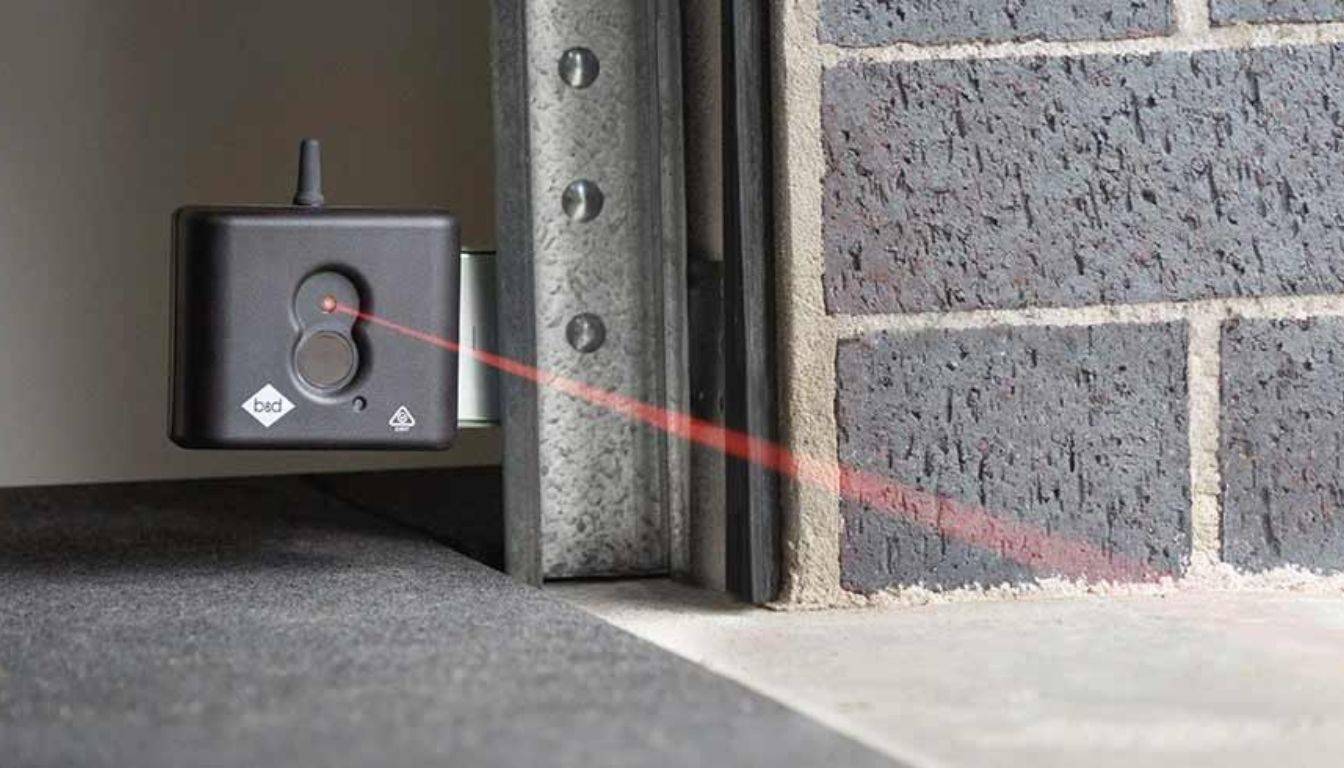
Modern garage door openers sold in Australia must comply with AS/NZS 60335.2.103, which covers safety requirements for drives for gates, doors and windows. A key requirement is the auto-reverse function—when the door encounters an obstacle during closing, it must automatically stop and reverse direction.
Compliant openers achieve this through photoelectric sensors mounted near floor level that detect when something breaks the infrared beam, combined with resistance monitoring that reverses the door if it meets unexpected obstruction. Both systems must function correctly for compliance.
Testing these systems monthly takes moments but provides essential confirmation of safety. Place an object in the door’s path and activate the close function—the door should reverse immediately upon contact or when the object breaks the sensor beam. Safety sensors have been mandatory in Australian homes since the 1990s—learn more about how garage door sensors work and why they’re essential for protecting your family from accidents.
Control Placement and Access Safety
Wall-mounted push buttons should be installed at least 1.5 metres above floor level, out of reach of young children. Remote controls should be stored securely rather than left where children might treat them as toys. Many modern openers include lock-out features and PIN-code keypads for added security.
Mechanical and Operational Safety Features
Beyond electronic safety systems, the mechanical components of your garage door require attention to ensure ongoing safe operation.
Springs, Cables and Track Safety
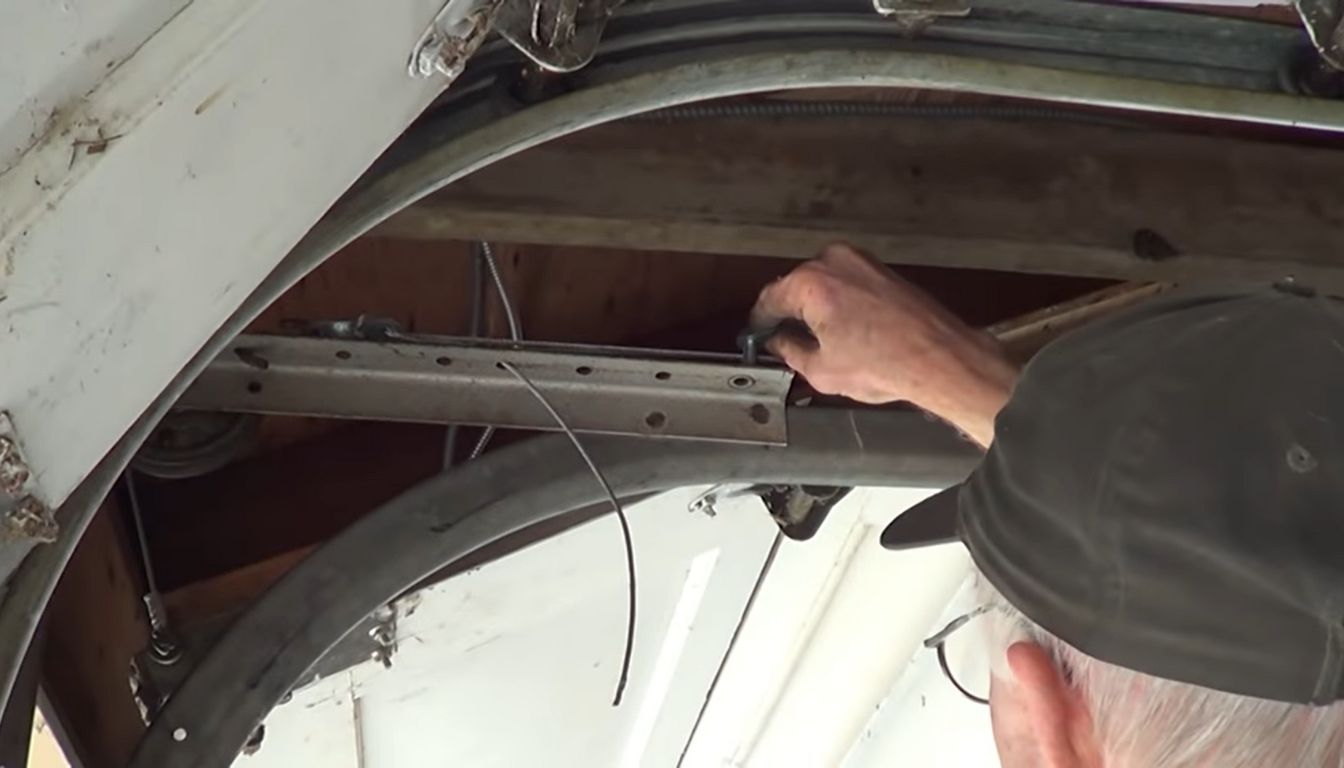
Torsion springs and extension springs counterbalance your garage door’s weight, making it possible to lift manually and reducing strain on the opener motor. These springs operate under extreme tension—a broken spring can release stored energy violently, potentially causing serious injury. High-tension components like springs pose significant risks when mishandled, which is why understanding the dangers of replacing garage door springs is crucial for homeowner safety.
Safety cables threaded through extension springs contain the spring if it breaks, preventing it from becoming a projectile. Torsion springs, mounted above the door on a central shaft, should include winding cones designed to prevent uncontrolled unwinding. Never attempt to adjust or replace garage door springs yourself—this work requires specialised tools and training.
Tracks must remain properly aligned and securely fastened to wall framing. Bent or misaligned tracks cause the door to bind, increasing wear on other components and potentially allowing the door to fall unexpectedly.
Door Balance and Operation
A properly balanced garage door should stay in place when lifted manually to waist height and released. If the door falls closed or rises open, the springs need adjustment. Operating an unbalanced door places excessive strain on the opener and increases the risk of sudden failure.
The door’s closing speed also affects safety—slower speeds give more time to clear the doorway and reduce impact force if safety systems fail to detect an obstruction.
Installation and Compliance Standards
How your garage door is installed matters as much as the quality of the door itself.
Relevant Australian Standards
AS/NZS 4505:2012 covers garage doors and other large access doors, establishing requirements for design, construction and installation. AS/NZS 60335.2.103 addresses the safety of electrically operated garage door systems. Together, these standards ensure that compliant installations provide reliable, safe operation.
DIY vs Professional Installation
While some homeowners consider garage door installation a DIY project, professional installation offers significant safety and compliance advantages. Licensed installers understand the relevant standards, have appropriate tools for working with high-tension springs and ensure the complete system functions correctly. Operating a garage door with damaged components violates safety protocols and creates serious hazards—find out what happens when your garage door has a broken spring and why immediate professional repair is essential.
Professional installation also provides documentation of compliance, which may be required for building certification, insurance claims or future property sales.
Ongoing Maintenance and Safety Checks
Installing a compliant garage door is just the beginning. Maintaining that compliance requires regular attention throughout the door’s service life. Regular inspections ensure your garage door meets safety requirements—our comprehensive garage door tune-up and maintenance guide covers everything from hardware checks to safety feature testing.
Routine Safety Inspections
Monthly visual inspections help catch problems before they become dangerous. Check springs and cables for wear, corrosion or fraying. Examine tracks for damage or loose brackets. Test the auto-reverse function and photoelectric sensors. Inspect weather seals for deterioration.
Listen for unusual sounds during operation—grinding, scraping or excessive vibration often indicate developing problems requiring attention.
Professional Servicing
Annual professional servicing extends your garage door’s safe operating life. Technicians can identify wear patterns invisible to untrained eyes, adjust spring tension accurately, lubricate moving parts appropriately and verify that all safety systems function within specification.
For Gold Coast homeowners, A1 Garage Doors Gold Coast provides comprehensive safety inspections and maintenance services. With a 4.9-star rating and experience serving the Gold Coast and Brisbane since 2020, our technicians can assess whether your current door meets safety standards and recommend appropriate solutions if it doesn’t. To keep your garage door compliant with safety standards, follow our essential garage door maintenance schedule which includes testing auto-reverse mechanisms and safety sensors.

When Your Garage Door No Longer Meets Safety Standards
Garage doors don’t last forever. Age, wear and changing standards mean that a door meeting requirements when installed may no longer be compliant.
Signs your door may need attention include visible rust or corrosion, difficulty opening or closing, excessive noise, failure of safety sensors or physical damage to panels, tracks or hardware. If your door lacks modern safety features like auto-reverse and photoelectric sensors, upgrading may be necessary.
Replacing an outdated garage door isn’t just about compliance—modern doors offer improved insulation, better security, quieter operation and enhanced kerb appeal.
Frequently Asked Questions
What Australian standards apply to garage doors?
The two primary standards are AS/NZS 4505:2012, which covers the design, construction and installation of garage doors and large access doors, and AS/NZS 60335.2.103, which addresses safety requirements for electrically operated garage door systems including auto-reverse functions and sensor requirements. The National Construction Code (NCC) also specifies fire resistance requirements for doors separating attached garages from habitable rooms.
Are garage door safety sensors mandatory in Australia?
Yes, garage door openers sold in Australia must comply with AS/NZS 60335.2.103, which requires auto-reverse functionality. This is typically achieved through photoelectric sensors that detect obstacles in the door’s path combined with resistance monitoring. If your opener lacks these safety features, it likely predates current standards and should be upgraded to protect your family.
Take Action on Garage Door Safety
Understanding garage door safety standards empowers you to make informed decisions about your home. Whether you need a routine safety inspection, maintenance or advice about upgrades, professional guidance ensures your garage door protects your family.
Contact A1 Garage Doors Gold Coast on (07) 5515 0277 to arrange a comprehensive safety assessment. Our team services the entire Gold Coast and Brisbane region, providing expert repairs, maintenance and installations that meet Australian safety standards.
Your garage door operates thousands of times each year. Make sure every operation is a safe one.
