

How to Replace a Garage Door Cable With Door Down
When a garage door cable snaps, your first instinct might be to fix it yourself. The door is stuck in the down position, the cable is clearly broken, and replacing it seems straightforward enough. But replacing a garage door cable with the door down involves working with components under extreme tension, and understanding the risks involved is essential before you decide whether to proceed yourself or call a professional.
This guide explains the process, the dangers and the critical safety considerations every homeowner should know. For a comprehensive overview of cable repair methods, including working with the door in the open position, refer to our complete garage door cable repair guide which covers all safety precautions and step-by-step instructions.
Why Garage Door Cables Break
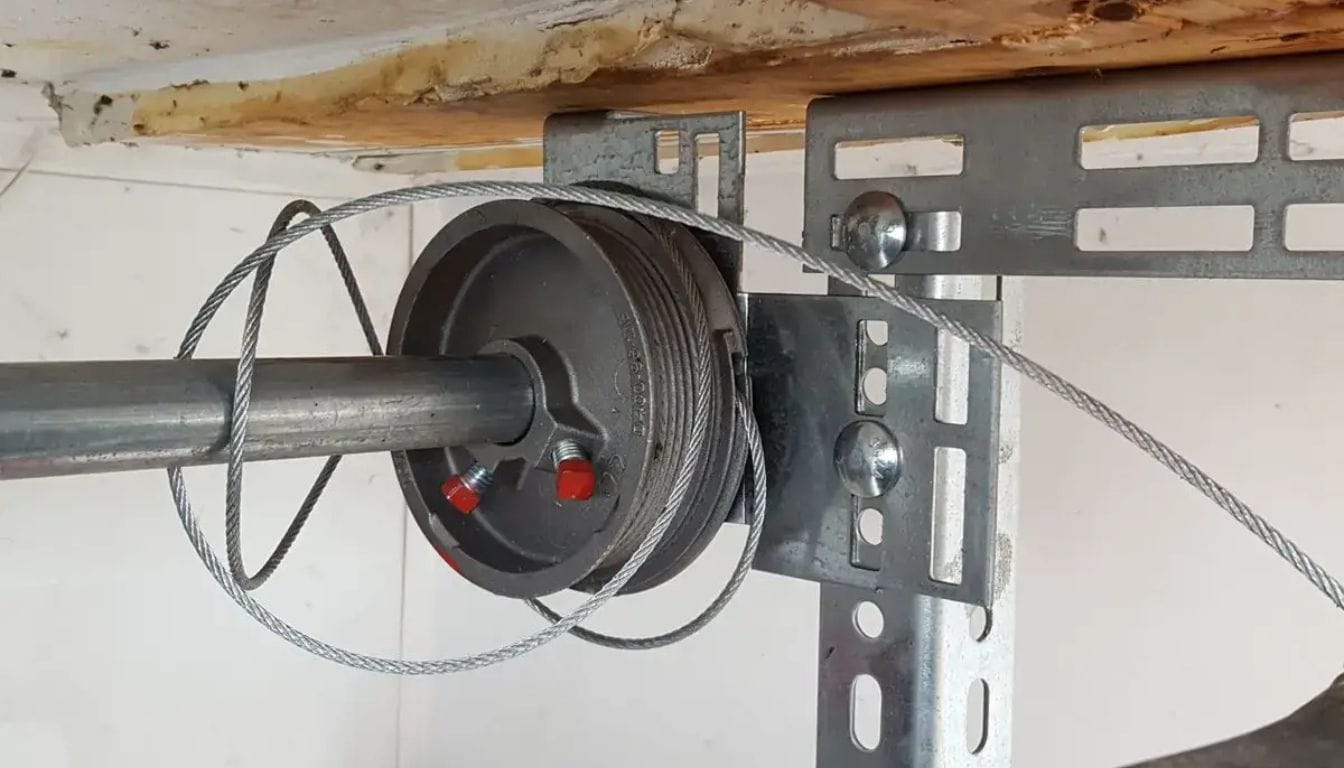
Garage door cables are under constant stress. On a sectional or panel lift door, two cables run along either side, connecting the bottom brackets to the cable drums mounted on the torsion bar above the door. Every time the door opens and closes, these cables wind and unwind under significant load.
Over time, several factors cause cables to fail. Rust weakens the steel strands, particularly in coastal areas like the Gold Coast where salt air accelerates corrosion. Normal wear and tear from thousands of open-close cycles gradually frays the cable fibres. Incorrect spring tension places excessive stress on the cables, shortening their lifespan. Even something as simple as manually lifting the door too high can cause a cable to jump off its drum and tangle.
When one cable breaks, you’ll typically hear a loud snap followed by the door dropping or hanging at an angle. The side with the broken cable will sit lower than the other, and the door won’t operate properly—if at all. If your cable has snapped due to a broken spring, understand the associated risks by reading about what happens when a garage door spring breaks and why professional repair is often recommended.
The Danger of Working on Garage Door Cables
Before attempting any cable work, understand what you’re dealing with. Garage door torsion springs store enormous energy. A standard residential door weighing 80–100 kilograms requires springs wound tight enough to counterbalance that weight. If a spring releases unexpectedly while you’re working nearby, the resulting force can cause severe injury or death.
The cables themselves are connected to this spring system. When you loosen a cable drum to remove or replace a cable, you’re working directly adjacent to wound torsion springs. One wrong move—a tool slipping, a bolt shearing, a spring unwinding—can have catastrophic consequences.
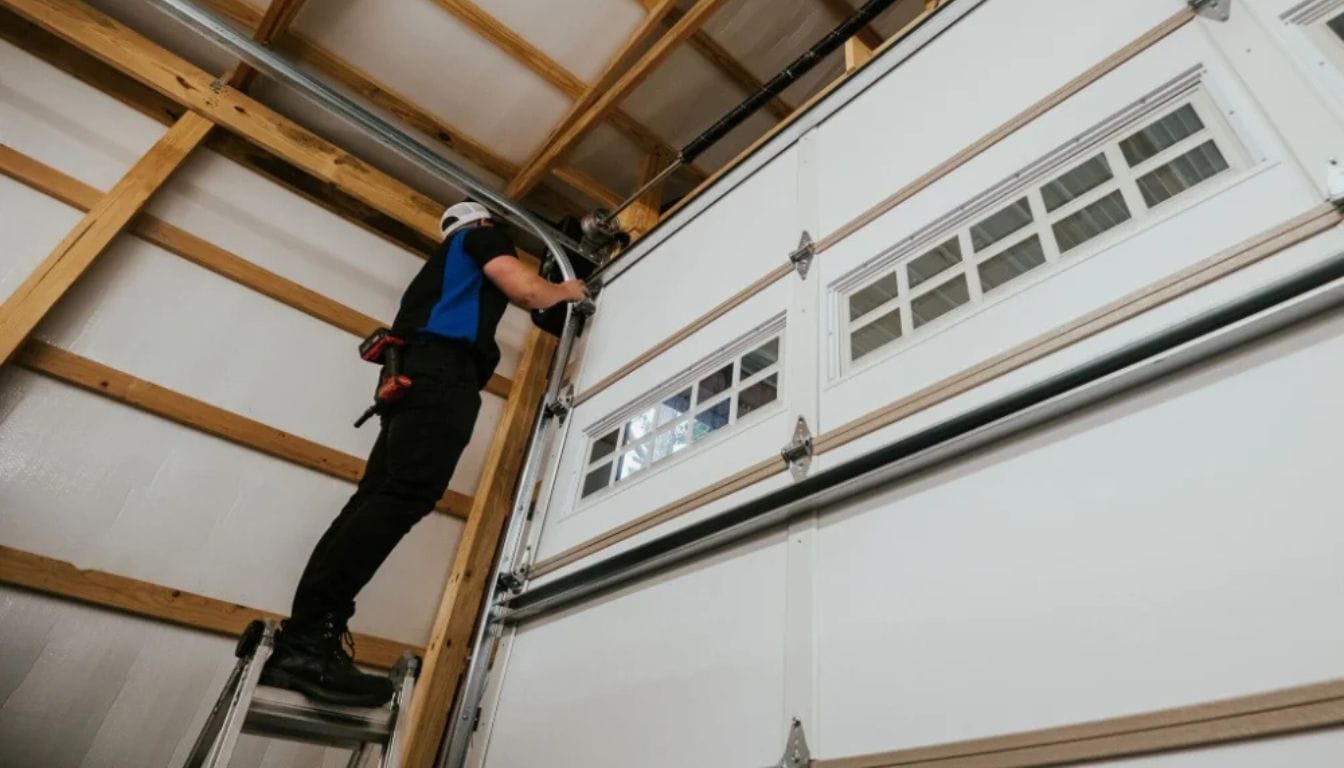
Professional garage door technicians train extensively to work safely around these systems. They use specialised tools, follow strict safety protocols and understand how to contain spring tension during repairs. For most homeowners, the small cost of professional repair is insignificant compared to the risk of serious injury.
Can You Replace a Cable With the Door Down?
Yes, it’s technically possible to replace a garage door cable with the door in the down position. In fact, this is often the safest starting point because the door’s weight rests on the ground rather than being suspended by the remaining cable and springs. Before attempting any DIY cable work, ensure you have the correct tools—our detailed guide on how to repair garage door cables outlines everything from winding bars to locking pliers required for safe replacement.
However, “possible” doesn’t mean “advisable” for DIY work. The process requires releasing tension from the cable drum, which sits on the same shaft as the torsion springs. Even with the door down, the springs remain under tension—they’re what would lift the door if it were operational.
If you’re determined to attempt this repair yourself, the following section outlines the general process. But we strongly recommend having a professio nal handle this work. The risks simply aren’t worth the savings for most homeowners.
The Cable Replacement Process
Step 1: Secure the Door and Disconnect Power
With the door fully closed, disconnect the garage door opener from power completely. Clamp locking pliers to the tracks just above the bottom rollers on both sides to prevent the door moving upward if spring tension shifts.
Step 2: Secure the Torsion Bar
Before touching the cable drums, prevent the torsion bar from rotating. Insert a steel rod through one of the holes in the winding cone at the end of the torsion spring, then secure the bar against a fixed point. Some technicians also clamp vice grips onto the torsion tube between the cable drums for additional security.
Step 3: Loosen the Cable Drum
Locate the cable drum on the side with the broken cable. Two set screws secure the drum to the torsion bar. Loosen these screws just enough to allow the drum to rotate independently—don’t fully remove them.
Step 4: Remove the Old Cable
With the drum loose, unwind the remaining cable. At the bottom of the door, the cable attaches to a pickup bracket. Use a screwdriver to pry the cable loop off the bracket. Inspect the bracket for damage while you have access.
Step 5: Install the New Cable
Thread the new cable’s looped end onto the pickup bracket. Run the cable up alongside the door to the cable drum. Wind the new cable onto the drum from the outside edge inward, following the grooves that keep wraps properly spaced.
Step 6: Tension and Secure the Drum
With the door flat on the ground and the cable wound onto the drum, pull the cable taut. While maintaining tension, tighten the set screws to secure the drum. The cable should be tight but not lifting the door edge off the ground.
Step 7: Test Carefully
Remove the vice grips from the tracks. Manually lift the door about 30 centimetres and release—a balanced door should hold position or drift slowly. Only after confirming proper balance should you reconnect the opener.
Why Professional Repair Is Worth the Cost
The process described above glosses over numerous details that experienced technicians understand intuitively. How tight should the set screws be? What’s the correct cable wrap pattern for your specific drum? How do you verify the springs are properly secured before loosening anything? Regular inspections can help you identify cable issues before they fail completely—learn how to spot fraying, slack, and other warning signs in our guide to maintaining garage door cables for longevity and safety.
These details matter. Incorrectly installed cables can jump off drums during operation, causing the door to drop suddenly. Over-tightened set screws can create weak points in the torsion bar. Under-tensioned cables wear prematurely and may not lift the door evenly.
Professional garage door cable repair typically costs between $165 and $420 depending on whether the cables need reattachment or full replacement. Given that a complete repair takes an experienced technician 30–60 minutes, this represents excellent value compared to the hours a DIYer might spend—plus the very real risk of injury.
A1 Garage Doors Gold Coast provides professional cable repair and replacement across the Gold Coast and Brisbane. With a 4.9-star rating and experience since 2020, our technicians carry the correct tools, replacement cables and expertise to complete the job safely and efficiently. We’ll also inspect your springs, drums, tracks and rollers to identify any other issues before they cause problems.
Signs Your Cables Need Attention
Don’t wait for a complete cable failure. Watch for these warning signs:
- Fraying: Visible strands separating from the main cable body
- Rust: Orange or brown discolouration, particularly near the bottom where moisture collects
- Kinks: Sharp bends that weaken the cable structure
- Loose cables: Cables that hang slack when the door is closed indicate tension problems
- Uneven door movement: One side lifting faster than the other suggests cable or drum issues
If you notice any of these signs, have your cables inspected before they fail completely. A preventive replacement is far less disruptive than an emergency repair when your car is trapped in the garage. After completing your cable replacement, test the door’s operation thoroughly—our garage door troubleshooting guide helps you diagnose any remaining issues with uneven travel, unusual noises, or balance problems.
Frequently Asked Questions
Can I operate my garage door with a broken cable?
No. Operating a door with one broken cable places all the load on the remaining cable, which can cause it to fail as well. The uneven forces also stress the tracks, rollers and opener mechanism. Stop using the door immediately and arrange repairs.
How long do garage door cables last?
Most garage door cables last 7–10 years with normal use. Factors like frequency of operation, environmental conditions (coastal areas see faster corrosion), and maintenance practices affect longevity. Regular lubrication and annual inspections help extend cable life.
Should I replace both cables if only one breaks?
Yes. If one cable has failed, the other has experienced identical wear and stress. Replacing both cables ensures balanced operation and prevents a second failure shortly after the first repair.
What causes a cable to come off the drum?
The most common cause is manually lifting the door too high, which allows the cable to go slack and jump off the drum grooves. Worn drums, incorrect cable length, or improper tension can also cause this problem.
Is it safe to replace garage door cables myself?
While technically possible, DIY cable replacement carries significant injury risk due to spring tension. Unless you have specific training and proper tools, professional repair is strongly recommended.
Get Professional Help With Your Garage Door Cables
Garage door cable problems won’t fix themselves, and delaying repairs only increases the risk of further damage or injury. Whether you need emergency cable repair or want a professional inspection of aging cables, expert help is a phone call away.
Contact A1 Garage Doors Gold Coast on (07) 5515 0277 for prompt, professional garage door cable services across the Gold Coast and Brisbane. Our experienced technicians will have your door operating safely and smoothly—without you having to risk working around dangerous spring tension yourself.
