
If your garage door is moving unevenly, making grinding noises, or struggling to open and close, a worn or broken pulley could be the culprit. Pulleys are one of the most overlooked components in an extension spring garage door system — but they play a critical role in keeping your door balanced, smooth, and safe.
This guide covers everything Gold Coast homeowners need to know about garage door pulley replacement: how pulleys work, the warning signs of failure, the step-by-step replacement process, and when it’s time to call a professional.
What Is a Garage Door Pulley?
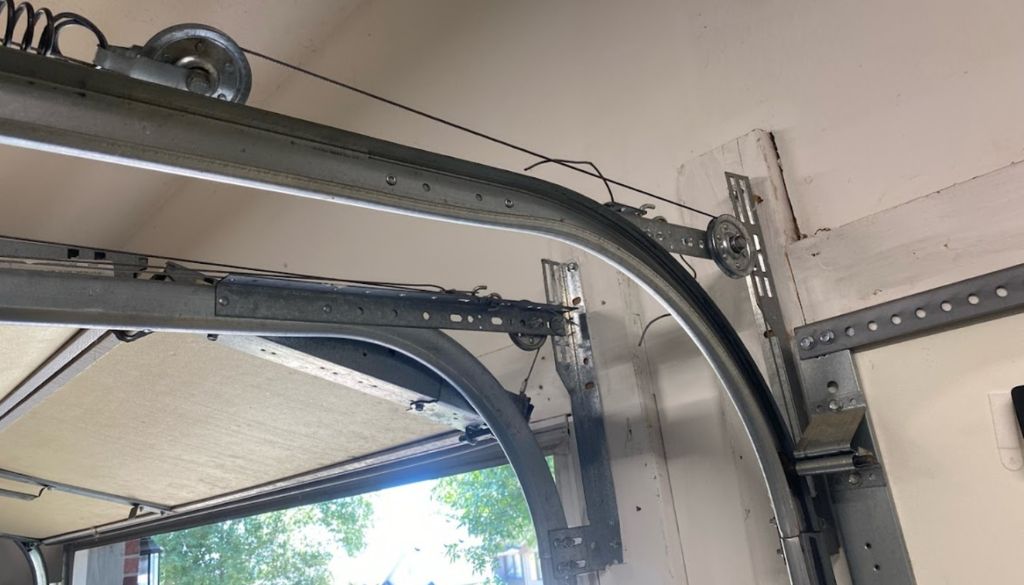
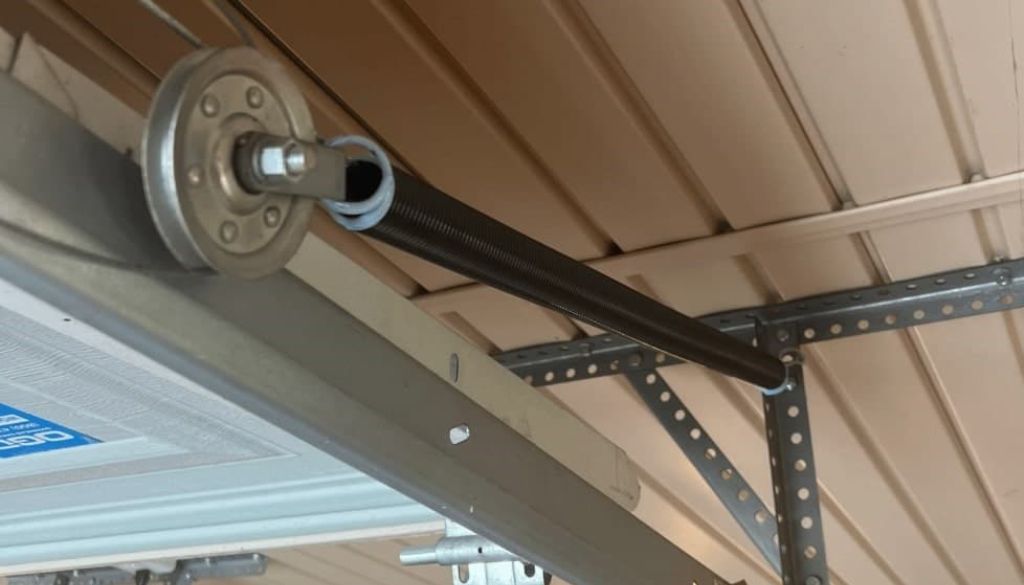
A garage door pulley is a small wheel with a grooved rim that guides the lifting cables as they move through the extension spring system. Think of it as the anchor point between your springs and your door — without a functioning pulley, the cable has no stable path, and the entire lifting mechanism breaks down.
Pulleys are found on extension spring systems, which are the horizontal springs that run along the upper tracks on either side of the door. When you open or close your garage door, the cables run through these pulleys, transferring the tension from the springs to lift or lower the door smoothly.
Types of Garage Door Pulleys
Not all pulleys are the same. Here are the three main types you’ll encounter:
* Extension spring pulleys — The most common type; attached to the end of each extension spring and used in residential doors.
* Stationary pulleys — Mounted to the track hanger above the door; the cable loops around them and creates the mechanical advantage to lift the door.
* Opener pulleys — Found on the carriage assembly; these engage with the trolley belt or chain to move the door.
Signs Your Garage Door Pulley Needs Replacement
Pulleys don’t fail suddenly — they typically show warning signs for weeks or months before a complete breakdown. Knowing what to look for can save you from a costly emergency repair or a door that refuses to open when you need it most.
1. Door Opens or Closes Unevenly
This is the most common sign of a pulley problem. If your garage door slants or one side drops lower than the other during operation, a pulley on one side is likely seized, worn, or misaligned. An uneven door puts excessive stress on the cables, springs, and tracks — often leading to further damage if left untreated.
2. Unusual Noises During Operation
Grinding, screeching, or rattling noises when opening or closing your door are classic indicators of bearing wear inside the pulley. When the internal ball bearings deteriorate, the pulley no longer spins freely — instead, it drags and scrapes. If you notice a high-pitched squealing that lubricant doesn’t fix, a pulley replacement is likely needed.
3. Visible Wear or Physical Damage
A visual inspection can reveal a lot. Look for:
* Cracked or chipped pulley wheels
* A pulley that wobbles or tilts on its bracket
* Worn grooves where the cable sits
* Rust or corrosion on older steel pulleys
* Frayed or kinked cables near the pulley
4. Cable Slipping Off the Pulley
If your garage door cable keeps jumping off the pulley, the wheel groove is likely too worn to hold the cable in place. This is both a symptom and a hazard — a loose cable can snap under tension or cause the door to drop without warning.
For a broader look at garage door issues and troubleshooting tips, visit our Garage Door Troubleshooting Guide.
Common Causes of Pulley Failure
Bearing Wear
The ball bearings inside a garage door pulley are designed to handle thousands of cycles — but over time, they wear down, especially without regular lubrication. Once the bearings are worn, the pulley scrapes against its housing rather than spinning smoothly, which accelerates damage to both the pulley and the cable.
Cable Friction and Wear
Heavy use and lack of lubrication cause the cable to saw against the pulley groove over time. This wears the groove unevenly, leading to cable slippage and premature pulley failure. Frayed cables left in place will continue to damage the pulley even after replacement.
Pulley Misalignment
If a pulley bracket is bent or comes loose from the track, the pulley no longer sits in line with the cable path. This causes the cable to run at an angle, dramatically increasing wear on both components.
Broken Rivets
In older pulley designs, the wheel is attached to the bracket with rivets. When these rivets break, the pulley wheel spins loosely or detaches entirely — a clear sign that replacement is overdue.
Garage Door Pulley Replacement Cost (Australia)
In Australia, garage door pulley replacement typically costs between $80 and $250 for a standard residential job, depending on the pulley type, the number of pulleys being replaced, and whether any cables also need renewal.
| Job Type | Estimated Cost (AUD) | Notes |
|---|---|---|
| Single pulley replacement | $80 – $130 | Labour + standard part |
| Both pulleys (recommended) | $130 – $200 | Balanced replacement |
| Pulley + cable replacement | $180 – $280 | If cables are frayed |
| Commercial / heavy-duty door | $200 – $350+ | Larger parts, higher labour |
Note: These are indicative price ranges only. Contact A1 Garage Doors Gold Coast for an accurate quote specific to your door and system.
Step-by-Step: Garage Door Pulley Replacement Process
The following process is provided as an educational overview. Due to the tension in extension spring systems, we strongly recommend engaging a qualified technician rather than attempting this repair yourself.
Step 1: Disconnect the Garage Door Opener
Unplug the opener from the power source and disengage the trolley by pulling the manual release cord (usually a red rope). This isolates the door from the opener so it can be moved by hand safely.
Step 2: Secure the Garage Door in the Open Position
Manually lift the door to the fully open position and clamp locking pliers or a sturdy C-clamp to the vertical track just below one of the roller brackets. This prevents the door from dropping while you work. Never work on a garage door that is not securely locked open.
Step 3: Release Tension and Remove the Old Pulley
With the door secured, the extension spring tension is relieved. Detach the cable from the pulley wheel, then remove the mounting bolt or nut holding the pulley bracket to the track hanger. Slide out the worn pulley and inspect the bracket and cable for additional damage.
Step 4: Install the New Pulley
Insert the new pulley wheel into the bracket, ensuring it spins freely and sits flush. Reinstall the mounting hardware, thread the cable back through the groove, and check that the cable is seated correctly without twisting.
Step 5: Test Door Balance and Operation
Remove the clamps, reconnect the opener, and test the door through several full cycles. The door should move smoothly and sit level at all points during travel. If you notice any wobbling, sticking, or noise, stop and call a professional before continuing to use the door.
If your opener is also giving you trouble during testing, our Garage Door Opener Comparison guide can help you decide whether a repair or full replacement is the smarter choice.
Safety Precautions You Must Know
Garage door components operate under high levels of spring tension. Working on an extension spring system without proper training can result in serious injury. Here are the critical safety points:
* Never attempt pulley work with the door in a partially open position — always fully open or fully closed.
* Do not cut, unhook, or adjust the extension springs themselves without specialised training and tools.
* Always use the correct clamps to secure the door before removing any hardware.
* Keep bystanders, children, and pets clear of the garage during any repair work.
* If you are unsure at any step, stop and call a qualified garage door technician.
For urgent situations where your door is stuck or won’t close, read our Emergency Garage Door Repair guide for immediate safety steps.
Should You Replace One Pulley or Both?
If one pulley has failed, it’s highly likely that the other is close behind — both have been subjected to the same number of cycles and the same wear conditions. Replacing both pulleys at the same time during a single service call makes practical and financial sense:
* Prevents a second callout in a few months when the other pulley fails
* Keeps both sides of the door in balanced condition
* Reduces overall labour costs compared to two separate visits
* Allows the technician to inspect cables and springs on both sides simultaneously
This is the approach the team at A1 Garage Doors Gold Coast recommends for most residential pulley jobs — it’s a small upfront investment that saves time, money, and inconvenience down the track.
DIY vs Professional Pulley Replacement
Extension spring systems are under significant tension at all times. While the steps above may appear straightforward, working around loaded springs carries a genuine risk of sudden, violent release — which can cause serious injury or death. This is not a scare tactic; it’s why garage door work is consistently listed among the home maintenance tasks best left to professionals.
When DIY may be appropriate: Minor cable adjustments on torsion spring doors with proper training, or replacing an opener pulley that is not spring-loaded.
When to always call a professional: Any work involving extension springs, replacing load-bearing pulleys, or when cables are frayed, tangled, or under tension.
For a complete overview of what can go wrong with garage doors and what to check yourself first, our Garage Door Troubleshooting Guide is a great starting point before calling.
Garage Door Maintenance to Prevent Pulley Failure
A little routine maintenance goes a long way in extending the life of your pulleys, cables, and springs. Add these checks to your annual home maintenance schedule:
* Lubricate pulleys with a silicone-based lubricant every 12 months (avoid WD-40 on moving parts)
* Inspect cables for fraying, kinking, or uneven wear at least once a year
* Check that the pulley bracket bolts are tight and the bracket sits flush against the track hanger
* Listen for any new squeaking or grinding during door operation and act early
* Have a professional service your door every 2–3 years, including a full spring, cable, and hardware check
Considering upgrading to a new door type as part of your maintenance upgrade? Our Composite Garage Doors guide explores modern low-maintenance door options popular on the Gold Coast.
Professional Garage Door Pulley Replacement on the Gold Coast
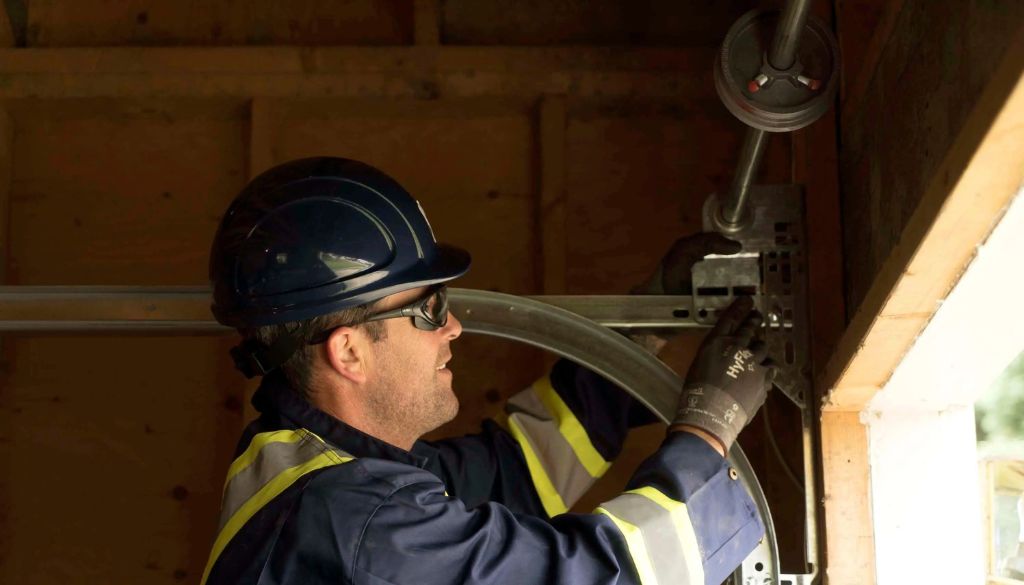
At A1 Garage Doors Gold Coast, we’ve been servicing residential and commercial garage doors across the Gold Coast and Brisbane since 2020. Our technicians carry stock of the most common pulley types and cables, meaning most pulley replacements are completed in a single visit — no waiting on parts or multiple bookings.
Residential Pulley Repair
Whether you have a single or double panel door, roller door, or sectional door on an extension spring system, we diagnose and replace pulleys quickly and safely. All work is backed by our satisfaction guarantee.
Commercial Garage Door Pulley Repair
High-use commercial doors need heavy-duty components and faster turnaround times. We service workshops, warehouses, strata properties, and retail premises across the Gold Coast.
Emergency Garage Door Repairs
If your pulley has failed and your door won’t open or close, we offer emergency callouts to get you back on track fast. Call us on (07) 5515 0277 for priority service
Need a Garage Door Pulley Replaced on the Gold Coast?
A1 Garage Doors Gold Coast provides fast, professional pulley replacement for homes and businesses across the Gold Coast and Brisbane. 📞 Call us today: (07) 5515 0277 → Book a Garage Door Inspection Online
Frequently Asked Questions
What does a garage door pulley do?
A garage door pulley guides the lifting cable as it moves through the extension spring system. It creates the mechanical path that transfers spring tension into smooth, balanced door movement.
How do I know if my garage door pulley is broken?
Look for uneven door movement, grinding or screeching noises, visible cracks or wobbling in the pulley wheel, or cables that keep slipping off the pulley. Any of these are strong indicators of pulley failure.
Can I replace a garage door pulley myself?
While it’s technically possible to replace a pulley, extension spring systems are under significant tension and pose a real safety risk to untrained individuals. We recommend hiring a licensed garage door technician for any pulley or spring work.
How many pulleys does a garage door have?
A standard extension spring system uses two main pulleys — one on each side of the door. Some systems also have additional safety cables and stationary pulleys.
Should I replace all pulleys at the same time?
Yes, in most cases. Since both pulleys age at the same rate, replacing both during a single service call is more cost-effective and keeps your door operating in balance.
How much does garage door pulley replacement cost in Australia?
Typical costs range from $80 to $280 AUD depending on the number of pulleys, whether cables need replacing, and whether the door is residential or commercial. Contact A1 Garage Doors Gold Coast on (07) 5515 0277 for a specific quote.
