
Most homeowners never think about what holds a garage door panel straight. The door goes up, the door goes down, and the hardware stays out of sight. Then one day a panel starts to look bowed in the middle, or the door flexes as it lifts, and the question comes up: does this door need a strut?
This guide explains what a garage door strut is, what it actually does, and how to tell whether reinforcement is the right answer for your door. It also covers something just as important — the problems a strut will not fix. A strut is a structural component, not a cure-all, and adding one to a door with a spring, track or balance fault only hides the real issue.
What Is a Garage Door Strut?
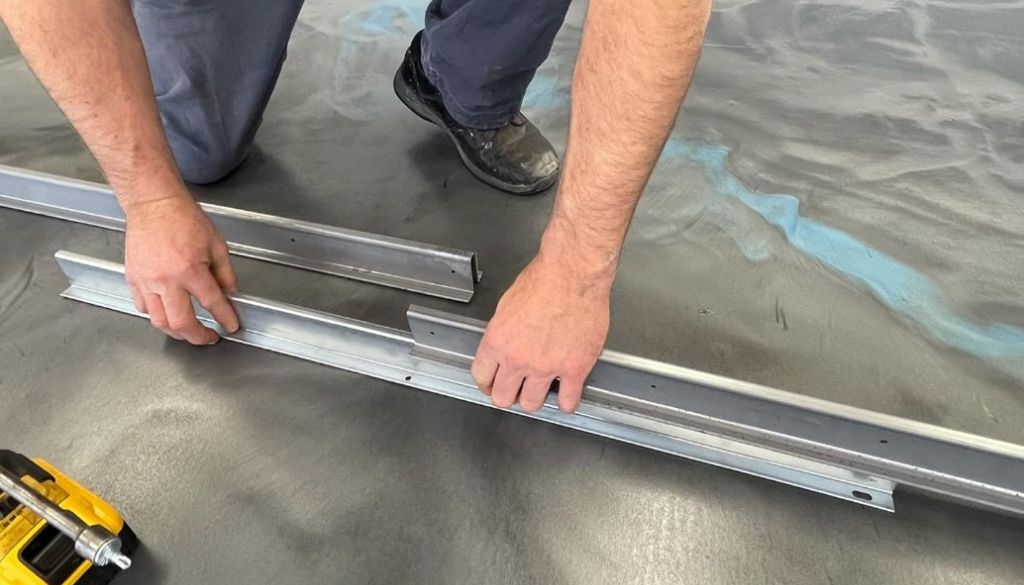
A garage door strut is a reinforcing bar fitted horizontally across a section of a sectional garage door. It runs the width of the panel and bolts to the door skin, adding rigidity to a surface that would otherwise flex under its own weight.
Think of it as a spine for the panel. Without it, a wide steel section is a large, thin sheet with very little resistance to bending. With a strut fitted, load is spread across the full width of the section instead of concentrating in the centre.
Struts matter most on wider, heavier and more heavily used doors. A narrow single door built from thicker material may never need one. A wide double door with slim panels is a very different proposition.
What Does a Garage Door Strut Do?
A strut does three jobs. It provides horizontal reinforcement across the panel. It reduces bowing, flexing and sagging over time. And it helps the door hold its shape through the lifting and lowering cycle, which keeps the rollers tracking properly and the sections meeting squarely.
Where Are Struts Installed?
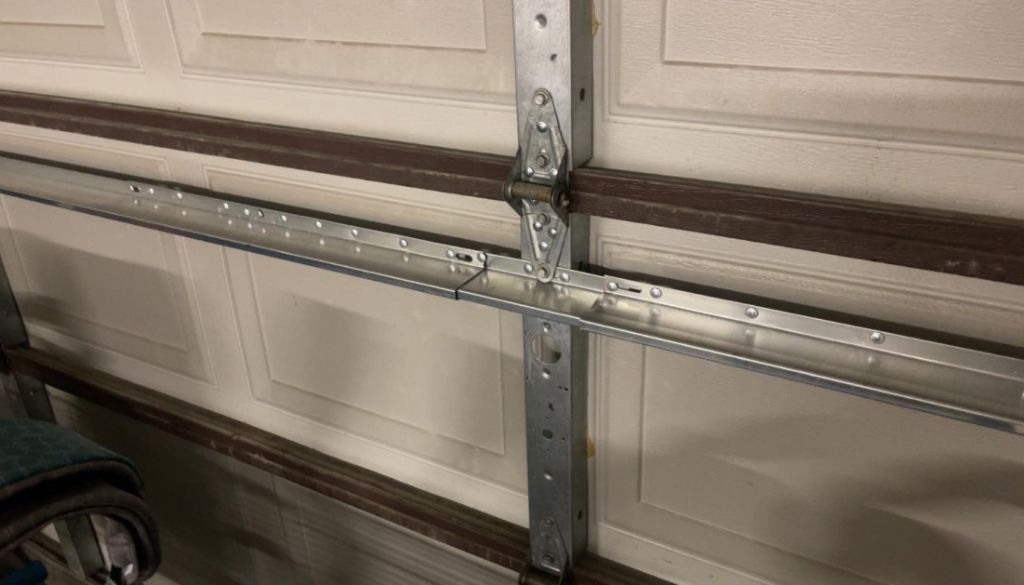
Struts run horizontally across sections of a sectional door, usually fixed to the inside face of the panel. Placement is not arbitrary. It depends on the door design and the manufacturer’s requirements, and the number of struts fitted varies with the door’s width, weight and construction.
The top section is the most common location, because that panel carries the opener arm and takes the greatest bending load during operation. Larger doors may need reinforcement across several sections.
Why Does a Garage Door Need a Strut?
To Reinforce Wide Panels
The wider a section, the more it can flex between its supported edges. A strut adds rigidity right where that flexing occurs. As door dimensions increase, reinforcement stops being optional and starts being part of the door’s structural design.
To Support Heavier Doors
Heavier panels place more load on the door structure. Some designs are built with enough integral strength; others rely on added reinforcement to carry that weight without deforming. The correct answer always comes back to the manufacturer’s specifications for that specific door.
To Reduce Flexing and Sagging
An unsupported panel that flexes on every cycle will eventually hold that shape. Repeated opening and closing works the material past its ability to spring back. Visible deformation is a signal that the door’s reinforcement needs assessment — not a signal to bolt something on and hope.
Signs Your Garage Door May Need a Strut
Your panel is sagging. Look along the door from one side. A panel that dips in the centre while the edges stay straight is showing classic sag. The cause may be reinforcement, but it may also be a damaged section or a hardware fault, which is why diagnosis comes before any fix.
The door flexes during operation. Watch the top section as the door begins to lift. Visible bowing at the moment the opener takes the load often points to insufficient reinforcement for the door’s size.
You have a wide or heavy door. Larger doors carry more load across a longer span. Reinforcement requirements should be settled at installation, with the strut sized and positioned to suit the door.
You’re replacing or upgrading the opener. Opener compatibility depends on the door’s size, weight and construction. When the system is being upgraded, it makes sense to assess the door as a whole rather than treating the opener in isolation. Our guide to comparing garage door openers covers how door type influences the right motor choice.
Quick Reference: Will a Strut Help?
| Problem | Could a strut help? | What to do |
|---|---|---|
| Panel flexing | Potentially | Assess reinforcement |
| Wide door | Potentially | Check manufacturer requirements |
| Sagging panel | Possibly | Inspect structure and reinforcement |
| Bent track | No | Address the track problem |
| Broken spring | No | Professional spring service |
| Poor door balance | Not directly | Diagnose the balance system |
Types of Garage Door Struts
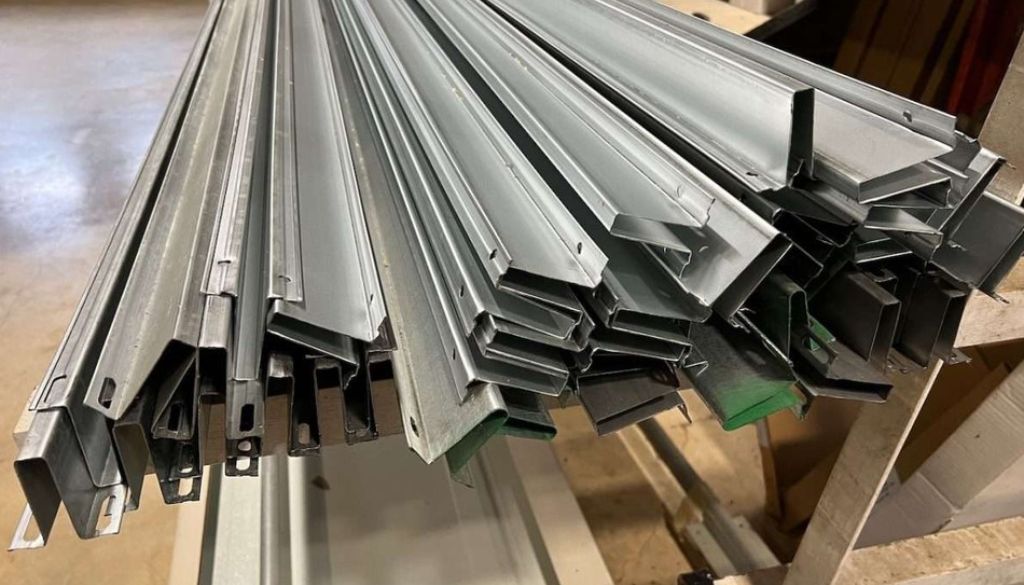
Standard horizontal struts are the common option, spanning a single section to add basic rigidity. Dimensions and materials vary by manufacturer.
Heavy-duty struts use a deeper or thicker profile for heavier and wider doors where standard reinforcement is not enough. Selection should follow the door manufacturer’s specification, not a general assumption that stronger is better.
Full-width reinforcement spans most or all of a section for maximum panel rigidity. Installation has to account for the door’s existing construction so the reinforcement works with the panel rather than against it.
How Struts Affect Door Performance
Structural stability. A reinforced panel holds its shape, which means less flexing and more consistent movement through the tracks.
Opener load. This one is widely misunderstood. A strut does not replace correct door balance. The opener must still be properly matched to the door, and the springs must still carry the door’s weight. If a door is straining the opener, the answer is to diagnose the structural or balance problem — not to fit a more powerful motor and push on. A broken garage door spring is a separate fault entirely and needs professional attention.
Long-term durability. Reinforcement protects panels from the cumulative effect of thousands of operating cycles, helping the door keep its structural integrity for longer.
Struts vs Other Reinforcement Methods
Adding a strut is not the same as choosing a structurally stronger door. Some doors have reinforcement built in during manufacture, which can be the better path when a door is being replaced anyway. The right solution depends on the door design.
Struts are also not a substitute for hardware repair. A strut cannot straighten a bent or misaligned track, and fitting one will not correct a door that has come off its track. Panel reinforcement and track repair solve different problems, and diagnosing which one you actually have is the whole point.
Do All Garage Doors Need Struts?
No. Reinforcement is more likely to be needed on large or wide sectional doors, heavier door constructions, doors already showing panel flexing or sagging, and doors where the manufacturer specifies reinforcement.
It is less likely to be needed on doors already designed with sufficient structural reinforcement, on smaller or lighter doors where no reinforcement is specified, and in situations where the actual problem has nothing to do with panel strength at all.
Choosing the Right Strut
Match the reinforcement to the door’s width, weight and panel construction, and follow the manufacturer’s specifications. Struts are not interchangeable — the profile has to suit the load, and the fixings have to clear hinges, rollers and other hardware.
Positioning matters as much as sizing. A strut fitted in the wrong place can interfere with hinge operation or change how the door meets the opening. That is why structural reinforcement is best handled by a technician who can assess the whole door system.
Can You Install a Strut Yourself?
A garage door is a large moving structure under spring tension. Incorrect reinforcement placement can affect how the door operates and, in some cases, make an existing problem worse.
Call a professional when the door is wide or heavy, when a panel is already damaged or sagging, when there are spring, cable or track problems in play, or when you are simply unsure what reinforcement the door needs.
Strut Maintenance
Check fasteners for obvious movement or looseness, and watch for changes in panel alignment. Look for rust or deterioration — worth particular attention on the Gold Coast, where salt air accelerates corrosion on garage hardware. Address corrosion before it compromises the reinforcement.
Monitor the door for new sagging or flexing, and pay attention to new or unusual operating noises, which often signal a change in how the door is carrying its load. Building these checks into your regular garage door maintenance routine catches problems while they are still small.
Frequently Asked Questions
What is a garage door strut?
A horizontal reinforcing bar fitted across a section of a sectional garage door to add rigidity and reduce panel flexing.
Does my garage door need a strut?
It depends on the door’s width, weight and construction, and on what the manufacturer specifies. Visible flexing or sagging is a reason to have the door assessed.
Why is my garage door panel sagging?
Common causes include insufficient reinforcement for the panel width, accumulated flexing over many cycles, or damage to the section itself. An inspection identifies which applies.
How many struts does a garage door need?
There is no universal number. It varies with door size, weight and design, and should follow the manufacturer’s requirements.
Can a strut fix an already-sagging door?
Sometimes it can improve a panel that has begun to flex. A section that is creased or structurally damaged usually needs replacement instead.
Do struts affect the opener?
A strut adds a small amount of weight but does not change the fundamentals. The opener still has to be correctly matched to the door, and the door still has to be correctly balanced.
Talk to a Gold Coast Garage Door Technician
If your garage door panel is sagging, flexing or moving differently than it used to, the sensible first step is an assessment — not a guess about which part to add.
A1 Garage Doors Gold Coast has been servicing residential and commercial garage doors across the Gold Coast and parts of Brisbane since 2020, covering repairs, opener service and new door installations. Our technicians can inspect the door, identify whether the problem is structural or hardware-related, and recommend reinforcement only where it is genuinely appropriate for your door.
Book a garage door inspection today. Call (07) 5515 0277 to arrange an assessment.
