
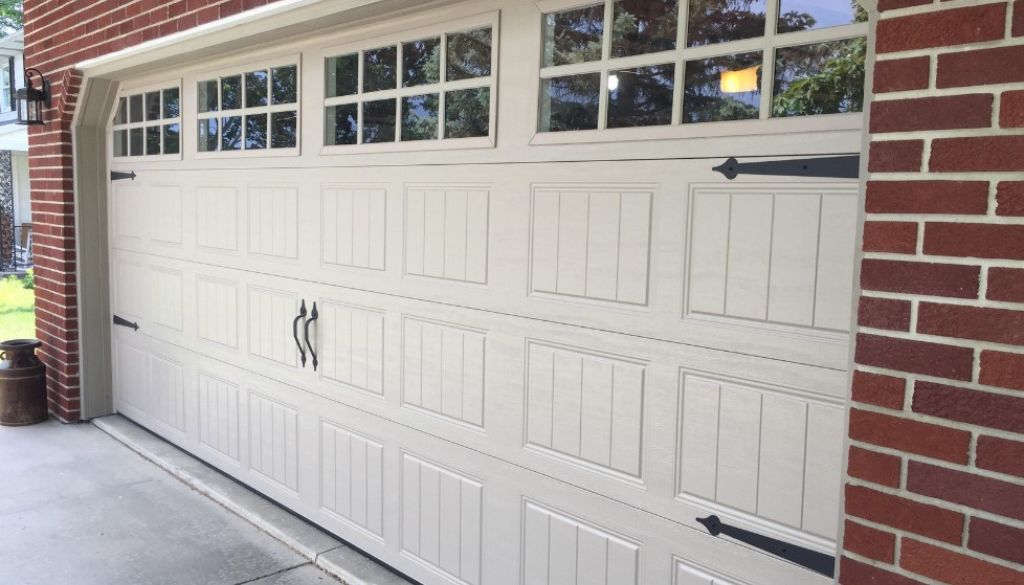
Most garage doors last somewhere between 10 and 30 years. That is a wide range, and the reason it is so wide has very little to do with the calendar. Two identical doors installed on the same street in the same year can end up decades apart in useful life, depending on how often they are used, how well they were installed, what the salt air does to them, and whether anyone ever looked after them.
This guide explains what actually drives that number, how to tell where your own door sits, and when repair stops making sense.
How Long Does a Garage Door Last?
A well-built residential door that is properly installed and serviced regularly will often reach 20 years or more. A neglected door in a harsh coastal position can start failing at the 10-year mark. Both outcomes are normal.
It also helps to think of a garage door as a system rather than a single product. The panels, springs, cables, rollers, tracks and opener all wear at different rates, and the system is only as reliable as its weakest part. A perfectly sound door with failing springs will feel like a dying door, even though the expensive component still has years in it.
Age on its own is a poor guide to condition. What matters more is accumulated wear: how many times the door has cycled, how much strain those cycles placed on the springs and opener, and whether small problems were caught early or left to compound.
Average Garage Door Lifespan
The door itself — the panels, the frame, the curtain on a roller door — is the long-lived part of the system. Structural components frequently outlast everything attached to them.
The garage door opener is a different story. Openers typically last around 10 to 15 years. This distinction catches a lot of homeowners out. When a garage “dies,” it is often the motor, not the door, that has reached the end of its life. Recognising which half of the system is failing can be the difference between a straightforward opener swap and an unnecessary full replacement. If you are weighing up motor options, our garage door opener comparison guide breaks down chain, belt and roller drive systems and what suits different door types.
How Usage Affects Garage Door Lifespan
Every open and close is one cycle, and every cycle consumes a small amount of the springs’ and rollers’ working life. A household that uses the garage as its main entry might cycle the door six to eight times a day. A holiday property might cycle it twice a week.
Manufacturers rate springs in cycles rather than years for exactly this reason. A standard spring set might be rated for around 10,000 cycles. At four cycles a day that is roughly seven years; at eight cycles a day it is closer to three and a half. Same hardware, half the lifespan, purely because of how the household lives.
Rapid, repeated operation — opening the door before it has finished closing, for instance — adds stress and heat that shortens component life faster than steady daily use. If your garage is the primary entry to the house, or the door serves a workshop or business premises, it is worth specifying higher cycle-rated components at installation rather than accepting the standard set.
What Factors Affect Garage Door Lifespan?
| Factor | Impact on lifespan | What homeowners can do |
|---|---|---|
| Frequency of use | High — determines total cycles on springs, rollers and opener | Consider a higher cycle-rated spring set on a heavily used door |
| Coastal and weather exposure | High — salt, humidity and UV accelerate corrosion and finish failure | Wash the door regularly; inspect metal hardware for rust |
| Maintenance and servicing | High — catches wear before it causes failure | Annual professional service; monthly visual checks |
| Material and build quality | Moderate to high — better materials resist corrosion and fatigue | Choose materials suited to a coastal climate |
| Installation and alignment | High — poor balance strains every other component | Have balance and tracking checked by a technician |
Weather and Coastal Conditions
On the Gold Coast this factor carries more weight than almost anywhere else in the country. Salt-laden air reaches well inland from the beach and attacks metal hardware first: hinges, brackets, springs, cables and fixings. Add intense UV, summer humidity and strong storm-season winds, and exterior finishes work harder here than they would in a dry inland suburb.
Material choice matters as a result. Our guides to fiberglass garage doors and composite garage door options cover how different materials handle humidity, salt and constant sun compared with traditional timber or standard steel.
Installation and Balance
A door that was never properly balanced has been slowly damaging itself since day one. When spring tension does not match the door’s weight, the opener carries load it was never designed to carry. Motors fail early, rollers wear unevenly, and cables fray on one side before the other.
This is one of the quietest lifespan killers, because a badly balanced door still works — right up until it doesn’t.
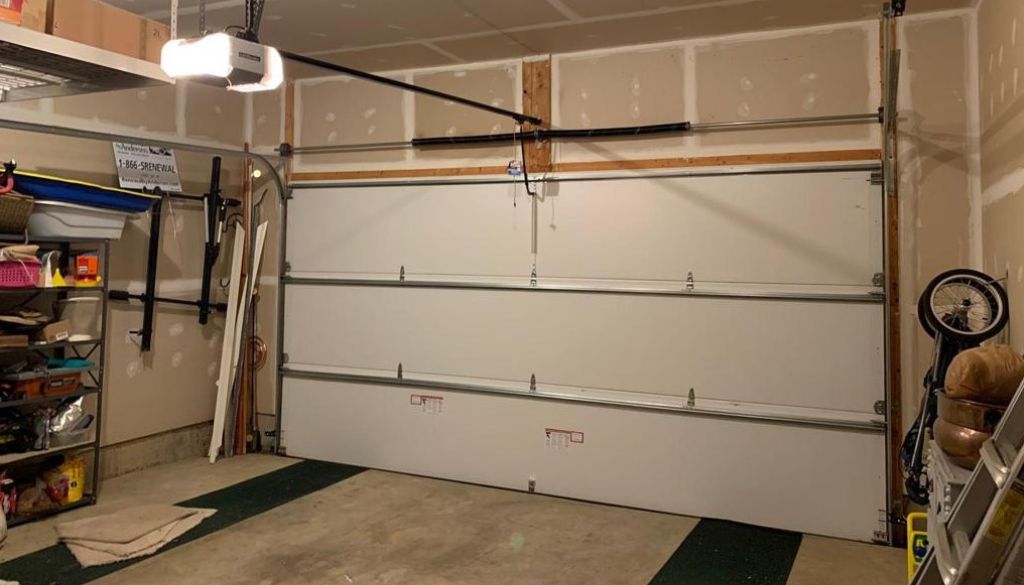
How Individual Components Affect Overall Lifespan
| Component | Typical wear pattern | Warning signs |
|---|---|---|
| Panels and curtain | Corrosion, dents, finish degradation | Rust spots, flaking paint, visible distortion |
| Springs | Metal fatigue from repeated cycling | Gaps in the coil, door feels heavy, uneven lift |
| Rollers and hinges | Friction wear, seizing | Grinding, squealing, door jumping in the track |
| Cables | Fraying, corrosion at the drum | Visible strands, slack cable, door sitting crooked |
| Opener | Gear and motor wear | Straining, slow travel, intermittent response |
A safety note that matters: springs and cables hold enormous stored tension. They are not DIY components. Inspect them visually and report what you see, but leave adjustment and replacement to a qualified technician.
How to Extend the Life of Your Garage Door
Maintenance is the single factor most within your control, and it makes a measurable difference.
Inspect visually each month. Look for rust, loose bolts, worn rollers, frayed cables and bent tracks. Watch the door open and close fully — it should move evenly, without hesitating or pulling to one side.
Clean the door surface regularly. In coastal suburbs this is not cosmetic. Rinsing salt residue off the door and hardware slows corrosion considerably. Every couple of months is reasonable; more often if you are close to the water.
Lubricate the right parts. Hinges, rollers, springs and bearings benefit from a light application of a suitable lubricant. Tracks should be kept clean rather than coated — heavy grease in a track collects grit and creates the exact wear you are trying to prevent. Follow your manufacturer’s recommendations.
Test the balance. With the opener disconnected, a balanced door lifted halfway should hold its position. If it slides down or springs up, the tension is off and needs professional adjustment.
Book an annual professional service. A technician will find developing faults you cannot see, and regular servicing helps keep manufacturer warranty conditions intact.
Suggested Maintenance Schedule
| Interval | Task |
|---|---|
| Monthly | Visual inspection of hardware, cables, rollers and tracks |
| Every 3–6 months | Clean door surface; lubricate moving parts; test balance and auto-reverse |
| Annually | Full professional service and safety inspection |
Signs Your Garage Door May Be Nearing the End of Its Life
Persistent noise. Grinding, banging or squealing usually points to worn rollers, dry hinges or a failing opener gear. If noise continues after cleaning and lubrication, have it assessed. Our common garage door problems and fixes article covers what different sounds typically indicate.
Slow, jerky or uneven movement. A door that drags, shudders or stops partway is telling you something is binding or the opener is struggling. The cause is often the springs or tracks rather than the door itself.
Rust and structural corrosion. Surface marks on a panel are cosmetic. Corrosion on springs, cables, brackets or the track assembly is a safety issue and should not be ignored.
Repairs that keep coming. One failed roller is maintenance. Three separate faults in a year usually means the whole system is wearing out together. When breakdowns start happening without warning, our emergency garage door repair guide explains what to do in the moment and what to avoid touching.
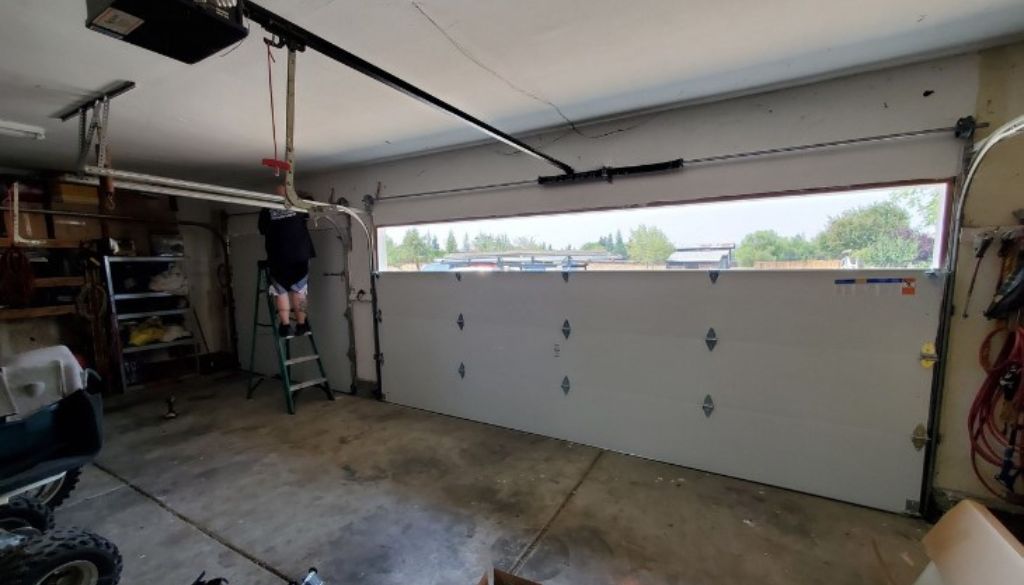
When Should You Replace Your Garage Door?
Age alone is not a reason to replace anything. A 25-year-old door in good condition with sound hardware may have years left. A 12-year-old door with corroded springs and a dying motor may not.
| Consideration | Lean toward repair | Lean toward replacement |
|---|---|---|
| Age | Under 15 years, well maintained | Beyond 20 years with heavy wear |
| Fault type | Single isolated component | Multiple systems failing together |
| Corrosion | Surface only | Structural or hardware-wide |
| Repair frequency | Occasional | Recurring within 12 months |
| Safety | No compromised components | Springs, cables or panels unsafe |
A practical way to decide: add up what you have spent on the door over the past two years and compare it against the cost of replacement. If repairs are approaching a meaningful share of that figure and the door still has recurring faults, the money is better spent on a new system. Factor in reliability too — a door that strands you in the driveway once a quarter has a cost that does not appear on any invoice.
If you are replacing the door, it is worth assessing the opener at the same time. A new door may differ in weight from the old one, and pairing a modern door with a motor near the end of its life often means a second call-out within a year or two.
Getting the Most Years From Your Garage Door
The pattern is consistent: doors that get looked after last considerably longer than doors that don’t. Regular inspection, a clean surface, correct lubrication and proper balance address the majority of what shortens a door’s life on the Gold Coast.
If your door is showing its age and you are unsure whether it needs a service, a repair or a replacement, an honest assessment is the sensible first step. A1 Garage Doors Gold Coast has been servicing residential and commercial doors across the Gold Coast and parts of Brisbane since 2020, with a 4.9-star average from local customers.
Book a professional inspection or annual service — call (07) 5515 0277 or contact our team at 1 Waterford Ct, Bundall QLD 4217.
Frequently Asked Questions
How many years should a garage door last?
Most last between 10 and 30 years. Well-maintained doors in sheltered positions sit at the upper end of that range; heavily used doors in exposed coastal locations sit at the lower end.
Can a garage door last 20 or 30 years?
Yes. Quality doors that are correctly installed, kept balanced and serviced annually regularly pass 20 years, and some exceed 30 with component replacements along the way.
What makes a garage door wear out faster?
High cycle counts, salt air and humidity, intense UV exposure, poor installation, incorrect balance and skipped maintenance are the main contributors.
Does regular maintenance make a garage door last longer?
Considerably. Servicing keeps friction low, tension correct and small faults from cascading into major failures.
How often should a garage door be serviced?
A professional service once a year suits most households, with monthly visual checks between services. High-use or beachfront properties may benefit from six-monthly servicing.
