
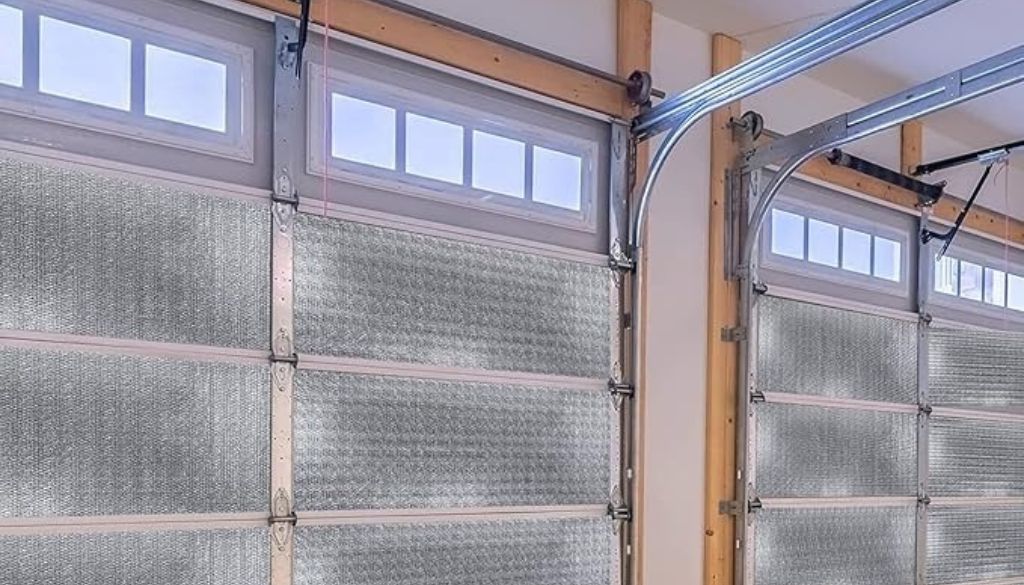
Heat Insulation Panels for Double Garage Roller Doors
A double garage takes up a significant portion of your home’s footprint — so when it turns into an oven every Queensland summer, that’s a lot of unusable space. Whether you use yours for parking, storage, a home gym, or a workshop, managing the temperature inside starts with the door itself. Heat insulation panels fitted to your double roller door create a thermal barrier that reduces heat transfer, cuts noise, and makes the space far more comfortable to spend time in.
This article breaks down the types of insulation panels available, how they work with roller doors specifically, the difference between DIY and professional installation, and what Gold Coast homeowners should factor in when choosing panels suited to their climate.
If you’ve already addressed gaps around the door frame, understanding how to fix garage door gaps for energy efficiency is a strong foundation — but the door surface itself is where most of the heat transfer happens on a standard steel roller door.
Why Insulate a Double Garage Roller Door?
Standard steel roller doors are effective, durable, and low-maintenance — but thermally, they offer almost no resistance. Steel conducts heat rapidly, which means on a 35°C Gold Coast afternoon, the interior surface of an uninsulated door can reach temperatures that radiate heat into the space for hours after the sun has moved on.
Adding insulation panels addresses several problems at once. Thermally, they reduce heat gain in summer and heat loss during cooler months, which directly lowers the load on any air conditioning or heating running in an attached living space. Acoustically, the added mass reduces sound reverberation inside the garage and dampens external traffic or neighbourhood noise coming through the door. For anyone using the garage as a gym, workshop, or hobby space, both of these improvements make a meaningful difference to how comfortable and functional the space is day to day.
There’s also a protective benefit for anything stored inside. Extreme temperature swings accelerate the deterioration of rubber seals, paint, timber, electronics, and other materials. A more stable internal environment extends the lifespan of what you keep in there.
Types of Insulation Panels for Roller Doors
Not all insulation panels are the same. The three main materials used for roller door applications each have different thermal performance levels, weights, and price points.
Polystyrene (EPS) Panels
Expanded polystyrene panels are the most common choice for DIY insulation on roller doors. They’re lightweight, easy to cut to size, and deliver solid thermal resistance — typically in the R1.1 to R1.4 range depending on thickness. Standard panels run 30–45mm thick, which suits most double roller door sections without significantly increasing the door’s overall weight.
EPS panels are fire-retardant when manufactured to Australian standards and hold up well in humid coastal conditions like those on the Gold Coast. The reflective surface on some products helps bounce radiant heat from the door’s metal skin before it transfers inward. For most residential applications, polystyrene is a practical, cost-effective starting point.
Graphite-Infused EPS Panels
Graphite-enhanced expanded polystyrene takes the performance of standard EPS up a level. The graphite content improves the panel’s ability to reflect and absorb infrared radiation, delivering better R-values from the same panel thickness. These panels also have a denser, more uniform finish that gives a cleaner interior appearance — which matters if the space doubles as a workshop or gym.
The acoustic performance is also slightly improved over standard EPS, making them worth considering if noise from traffic or neighbouring properties is a factor in how you use the garage.
Polyurethane and Foam Board Panels
Polyurethane foam panels deliver the highest R-values of the three options — up to R2.0 or more in some products — and are the best choice for homeowners wanting maximum thermal performance or those converting the garage into a fully conditioned living or working space. They’re moisture-resistant and dimensionally stable over time.
The trade-off is weight and installation complexity. Polyurethane panels are heavier than EPS alternatives, which can affect door balance and opener load. Professional installation is generally recommended for this type, as the door’s torsion spring tension may need adjustment to compensate for the added mass.
How Insulation Panels Work on a Roller Door
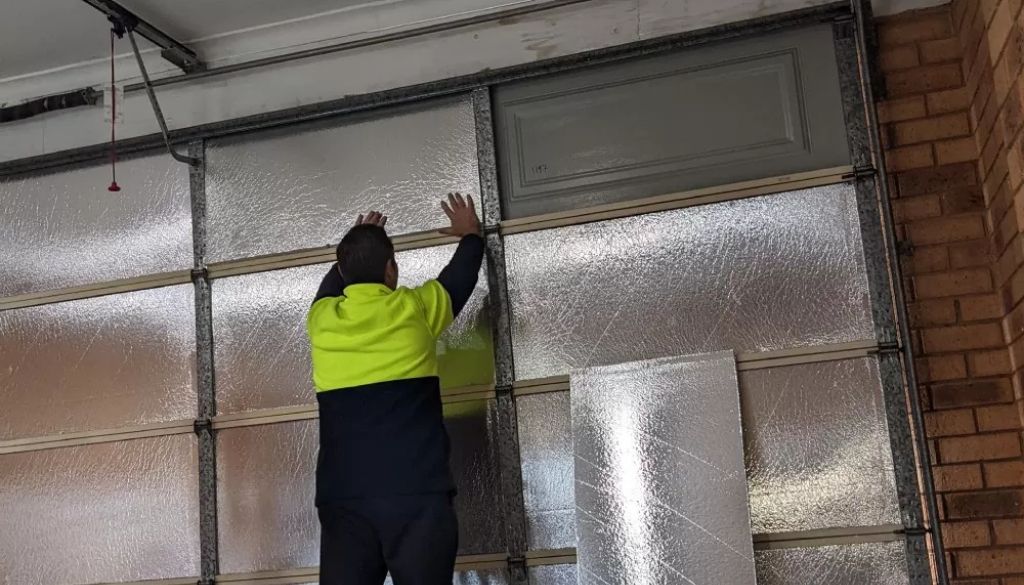
Unlike sectional panel doors where insulation is typically factory-fitted inside each section, roller door insulation is retrofitted to the interior face of the door curtain. Panels either slot into purpose-built retaining clips or are secured with adhesive-backed fasteners between the horizontal ribs of the door.
The insulation works by creating a layer of still air between the steel curtain and the interior of the garage. Still air is a poor conductor of heat, which slows the rate of heat transfer significantly. In summer, this means less radiant heat pushing into the garage during peak afternoon temperatures. In winter, it means less warmth escaping through the door surface.
A correctly installed panel set on a standard double roller door — typically 16–18 panels depending on door height — will not coil as tightly when the door opens, so it’s important to check headroom clearance before installing. Most residential roller door setups have enough clearance for standard panel thicknesses.
It’s worth reading up on common rollup door problems to understand the mechanics of your specific door before you add any weight or modify how the sections interact during operation.
Installation: DIY vs Professional
DIY Installation
For polystyrene or graphite EPS panels, DIY installation is achievable for most homeowners with basic tools. The process involves measuring each horizontal section of the door curtain, cutting panels to fit between the ribs, and securing them with retaining clips or appropriate adhesive. Wearing gloves when handling cut EPS reduces skin irritation from the material.
The main risks with DIY installation are inaccurate measurements leading to ill-fitting panels that shift during door operation, and adding weight without checking whether the existing spring tension can handle it. A door that feels noticeably heavier after adding panels — or one where the opener strains to lift — needs a spring tension check before continued use.
Double roller doors are wider than single doors, so panel counts are higher and the process takes longer. Budget a full day for a careful first installation.
Professional Installation
A professional garage door installation ensures panels are correctly sized, secured, and that any required spring adjustment is handled at the same time. On the Gold Coast, where summers push door materials hard and humidity can affect adhesive performance over time, having the installation done properly from the outset reduces the chance of panels shifting, warping, or coming loose mid-operation.
A1 Garage Doors Gold Coast can assess your existing door setup, confirm whether your current spring configuration can handle the additional panel weight, and fit insulation panels as part of a broader garage door service. Getting a professional measure and quote upfront makes sense if you’re unsure about your door’s current condition or if you’re planning to use polyurethane panels with higher mass.
Choosing the Right Panels for Your Door
The Gold Coast climate sits in a subtropical zone with hot, humid summers and mild winters. The priority here is summer heat management rather than cold-weather performance, so a minimum R1.0–R1.2 panel will handle most residential applications. If the garage is being converted into a workshop or home gym where you plan to run air conditioning, stepping up to R1.4–R2.0 delivers meaningfully better results and will reduce runtime on cooling equipment.
Panel thickness matters beyond just R-value. Thicker panels reduce the diameter of the door coil when rolled up, so clearance between the top of the door opening and the ceiling or structure above needs to be measured before purchasing. Standard 30mm panels are safe for most installations, but check your specific door’s coil dimensions if you’re moving to 45mm or above.
Check that panels are compatible with your existing door opener. Automatic openers are rated for specific door weights, and adding panels that push the door beyond that rating will shorten the opener’s lifespan and may void warranty coverage.
If you’re thinking about broader upgrades to how the garage is used, exploring garage storage solutions alongside insulation changes helps you plan the full space transformation rather than approaching each element in isolation.
Panel Comparison at a Glance
| Panel Type | Typical Thickness | R-Value Range | Best For | Installation |
|---|---|---|---|---|
| Standard EPS | 30–40mm | R1.1–R1.3 | Budget-conscious DIY | DIY or Pro |
| Graphite EPS | 30–40mm | R1.3–R1.6 | Improved performance, clean finish | DIY or Pro |
| Polyurethane | 40–50mm | R1.7–R2.0+ | Maximum performance, conditioned spaces | Pro recommended |
Cost Considerations
DIY polystyrene panel kits for a standard double roller door typically range from $150–$350 depending on panel grade and supplier. Graphite EPS kits sit slightly higher. Polyurethane panel solutions are priced at the premium end given their performance and material cost.
Professional installation adds labour and may include a spring tension adjustment service — particularly important for double doors where the combined panel weight is higher than a single door equivalent. The long-term offset is lower energy bills and reduced wear on air conditioning equipment, particularly relevant during Gold Coast summers where cooling costs run high for months at a time.
Maintenance and Lifespan
EPS and graphite panels require very little ongoing maintenance. An annual wipe-down with a damp cloth removes dust and debris that accumulates in the garage environment. Check for any panels that have shifted or come loose during door operation — this is most common in the first few weeks after installation as the door settles with the new weight distribution.
Avoid high-pressure washing directly onto the panels, and check the edges for moisture ingress in areas with high humidity. Well-fitted panels in a residential roller door setup should remain stable and effective for 15–20 years or longer with basic care.
If you notice condensation forming on the interior face of the door in humid weather, it may indicate the panel isn’t fully sealed at the edges. Foam tape applied to the perimeter of each panel helps close gaps and prevents warm, humid air from reaching the cold steel surface.
Maximising your garage door screens alongside insulation is another way to improve year-round comfort — screens allow airflow without sacrificing pest protection, which pairs well with a thermally managed space.
FAQs
Can insulation panels be added to an existing roller door?
Yes. Retrofit insulation panels are designed specifically for existing roller doors and don’t require any structural modification to the door itself. The panels attach to the interior face between the horizontal ribs of the curtain.
How thick should insulation panels be for a double garage roller door on the Gold Coast?
For the Gold Coast climate, 30–40mm panels in EPS or graphite EPS will cover most residential applications. If the space is being air conditioned, 40–50mm polyurethane panels deliver better results. Always check available headroom clearance before selecting panel thickness.
Will insulation panels affect my garage door opener?
They can if the combined panel weight exceeds your opener’s rated capacity. Standard EPS panels on a double door add 10–18kg depending on door size and panel type. Check your opener’s specifications and, if in doubt, have a technician assess spring tension at the same time as installation.
Can polystyrene panels be painted?
Standard EPS panels can be painted with water-based acrylic paint to improve their appearance or help them blend with the garage interior. Avoid solvent-based paints and spray aerosols, which can dissolve the polystyrene material.
How much energy savings can I expect?
Results vary depending on your existing door, garage orientation, and how the space is used. Homeowners with air-conditioned garages or home workshops typically see the most measurable reductions in cooling costs. On the Gold Coast, where north- or west-facing garages bear significant afternoon sun exposure, the reduction in heat load is noticeable even without active cooling.
Get the Right Advice Before You Buy
Insulating a double garage roller door is one of the most cost-effective improvements you can make to a garage space on the Gold Coast — particularly if the area is used for more than just parking. Polystyrene and graphite EPS panels are solid choices for DIY projects, while polyurethane panels suit higher-performance or conditioned-space applications.
Getting the panel type, thickness, and installation right the first time avoids the common pitfall of a door that’s harder to operate or panels that shift during daily use. A1 Garage Doors Gold Coast is available to assess your existing setup and advise on the best approach for your specific door.
Call us on (07) 5515 0277 or use the contact form at goldcoastgaragedoorrepair.com.au to arrange a measure and quote.
