
If your garage door has started sticking, jerking, or making more noise than usual, there’s a good chance the tracks are clogged with old grease, dirt, and grime. It’s one of the most common — and most misunderstood — maintenance issues Gold Coast homeowners run into. Many people assume that greasing the tracks will help the door glide more smoothly, when in reality it does the opposite. Once your tracks are clean and free of grease buildup, it’s worth checking that nothing else is restricting movement — our guide on garage door track obstructions and how to fix them+61755150277 covers the next steps if your door is still binding after a thorough clean.
admin@goldcoastgaragedoorrepair.com.auThis guide walks you through how to properly remove grease from your garage door tracks, what products to use, what to avoid, and how to keep your tracks clean so the door runs quietly and reliably. If your door is doing more than just sticking — refusing to open, making grinding noises, or sitting crooked — our garage door troubleshooting guide covers a wider range of common issues and their causes.
Why Grease Builds Up on Garage Door Tracks
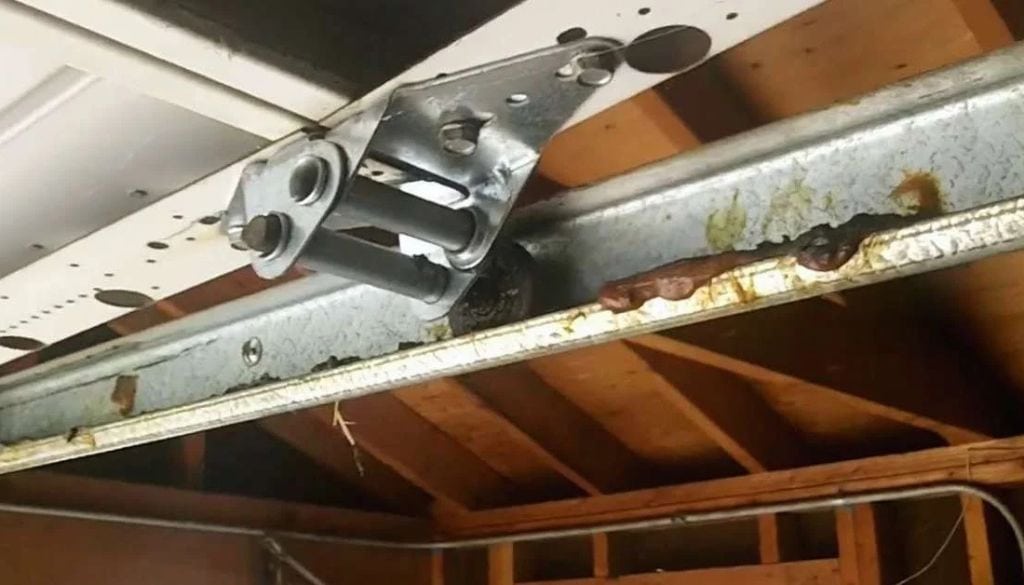
The most common reason for greasy tracks is well-intentioned over-lubrication. Homeowners often spray or apply grease directly to the tracks thinking it will help the rollers move more freely. The problem is that grease is a magnet for dust, dirt, cobwebs, and grit. Within weeks, that fresh layer of lubricant turns into a sticky, abrasive paste that actually increases friction and resistance rather than reducing it.
On the Gold Coast, environmental factors make this worse. Coastal humidity and salt air combine with dust and fine sand to create a stubborn residue that bonds to any greased surface. If your garage opens directly onto a street or driveway with no buffer, airborne particles settle on the tracks every time the door cycles. Over months, this builds into a thick layer of grime that forces the rollers to drag rather than glide.
Step-by-Step: How to Remove Grease From Garage Door Tracks
Clear the Area
Move vehicles, bikes, toolboxes, and anything else stored near the garage door out of the way. You need unobstructed access to both the left and right tracks from floor level up to the curved section where the track transitions from vertical to horizontal.
Dry Clean Loose Dirt and Debris
Start with the vacuum cleaner. Run the nozzle attachment along the inside of both tracks to remove loose dust, cobwebs, leaves, and grit. This prevents you from spreading dry debris into wet grease when you start wiping, which only makes the mess harder to remove. Use the stiff brush to dislodge any caked-on dirt that the vacuum can’t pull free.
Break Down the Grease
Garage Door RepairMix warm water with a few drops of dishwashing liquid. Dip a cloth into the solution, wring it out so it’s damp but not dripping, and wipe along the inside of the track. Work in sections, starting from the bottom of the vertical track and moving upward. The warm soapy water softens the grease and lifts it from the metal surface. For areas with heavier buildup, use the toothbrush to scrub the grease loose before wiping it away.
ByRemove Stubborn GreaseAdmin
If warm water and detergent aren’t cutting through thick, blackened grease, apply a small amount of automotive brake cleaner to a clean cloth and wipe the affected area. Brake cleaner evaporates quickly and dissolves petroleum-based grease effectively. Don’t spray it directly into the track — apply it to the cloth first to control the amount and avoid overspray onto plastic rollers or rubber seals.
June 10, 2026Repeat the wiping process with fresh cloths until the tracks feel smooth and clean to the touch, with no sticky residue remaining.
0 CommentsWipe Dry and Inspect
Go over both tracks with a dry cloth to remove any remaining moisture. Then inspect the tracks closely for signs of rust, dents, or misalignment. A clean track makes it much easier to spot these issues. If you notice any sections where the track is bent, has a gap, or where the metal is pitted with corrosion, that’s worth flagging for a professional to assess. Small alignment issues can often be corrected during a routine service call.
A snapped garage door spring is one of the most common faults we see across Robina, Burleigh Heads, Surfers Paradise, Nerang and Coomera. It usually announces itself with a loud bang from the garage, followed by a door that suddenly feels impossibly heavy or refuses to lift at all. This guide walks you through how to identify the problem, decide whether a DIY repair is sensible, and follow a safe process if you choose to proceed. It also explains, honestly, where the real risks sit — because garage door springs store an enormous amount of energy, and getting it wrong can cause serious injury.Cleaning Rollers While You’re There
What to Do When a Garage Door Spring BreaksSince you’ve already got the tracks clean, it makes sense to address the rollers at the same time. Grease and dirt that was sitting in the tracks has likely transferred onto the roller surfaces.
Common signs of a broken springMetal rollers with exposed bearings can be wiped down with a cloth and a small amount of brake cleaner, then lubricated with a light silicone or lithium-based spray on the bearing. Nylon rollers — the quieter, more common type on modern sectional doors — should only be wiped clean with a damp cloth. Don’t apply solvent-based cleaners to nylon rollers, as these can degrade the plastic over time.
The clearest signal is a loud bang while the door is closing or sitting idle. After that, look for aIf the rollers are visibly worn, cracked, or wobbling on their stems, cleaning won’t solve the problem. Worn rollers need replacing, and that’s a job best handled by a technician who can ensure correct sizing and smooth operation. For homes dealing with roller door-specific issues, our article on visible gap in the springcommon rollup door problems sitting above or beside the door, a garage door that feels far heavier than usual, loose or slack cables, or a door that sits crooked in its tracks. An automatic opener that strains, struggles, then reverses is another strong clue, because the motor is now fighting the full weight of the door without spring assistance. If you’ve discovered a covers the most frequent faults and fixes.broken garage door spring
, it’s important to understand the risks before attempting a DIY replacement, as the high tension in the spring can cause serious injury if handled incorrectly.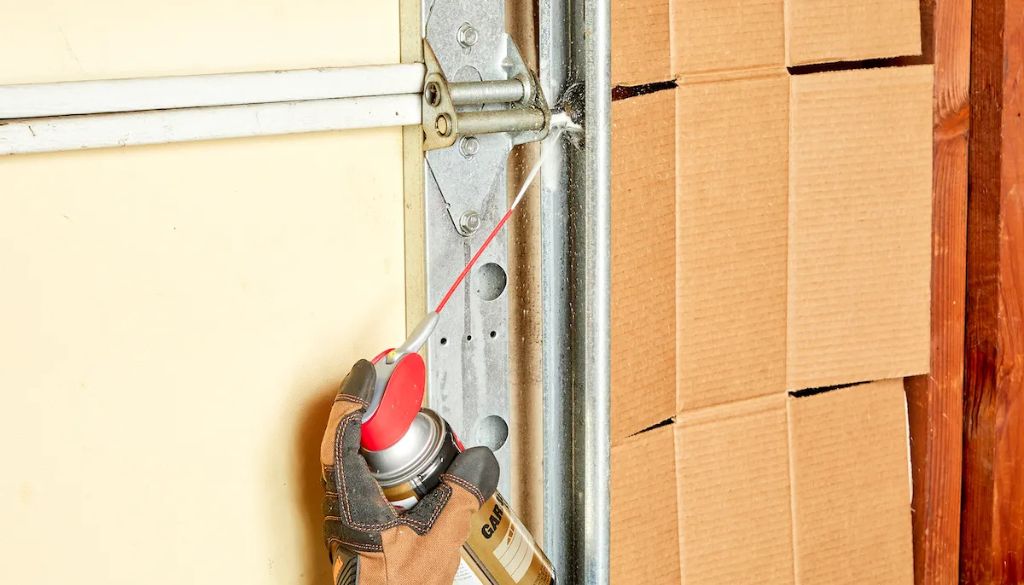
What to Lubricate (And What Not To)Immediate safety steps
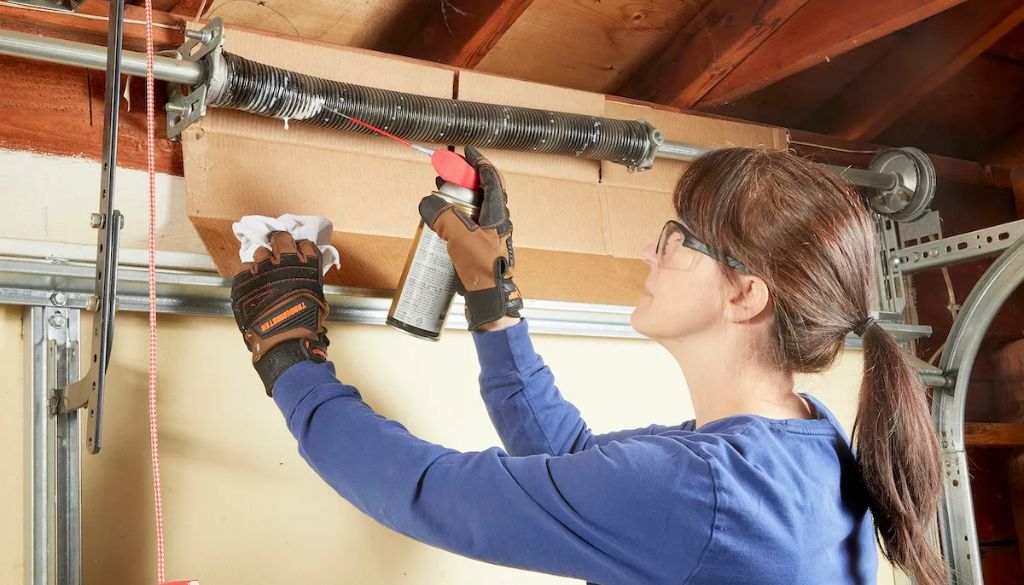
Once the tracks are clean and dry, resist the urge to re-grease them. Instead, apply lubrication only to the components that actually need it: the hinges between each panel, the roller bearings (metal rollers only), the torsion springs along the top of the door, and the opener chain or screw drive. hile cleaning the lower sections of your tracks, take a moment to check the photo-eye sensors mounted nearby — grease splatter and dust buildup can interfere with Stop using the door straight away. A door with a broken spring can fall without warning, so don’t try to force it open with the opener or by hand. Pull the manual release cord to disconnect the opener, keep children and vehicles clear of the doorway, and avoid standing directly underneath a partially raised door. If the door is already stuck halfway, leave it where it is rather than risk it dropping. If you’d rather not touch it at all, anyour garage door’s sensor alignment , causing the door to stop or reverse for no apparent reason.emergency garage door repair
is available across the Gold Coast, day or night.Use a silicone-based spray or white lithium grease for these parts. Both are designed to reduce friction without attracting excessive dust. Apply sparingly — a light coating is all that’s needed. Over-application just creates the same grime cycle you’ve just cleaned up.
Should you attempt a DIY repair?How Often Should You Clean Garage Door Tracks?
Be honest about your skill level. Replacing anUnderstanding Garage Door Spring Types
Identifying your spring type is the first real step, because the replacement process differs completely between them.
Torsion springsHow do you remove grease from garage door tracks? sit horizontally on a metal torsion shaft above the door opening and are common on sectional doors. They use winding cones and cable drums to lift the door and store tension through tightly wound coils. These deliver the smoothest operation but are the most dangerous to service.
Use warm water with mild detergent and a cloth to wipe down the inside of the tracks. A stiff brush or toothbrush helps with heavier buildup. For stubborn grease, apply automotive brake cleaner to a cloth and wipe the area. Finish by drying the tracks completely.Extension springs
run along the horizontal tracks on either side of the door and stretch as the door closes. They’re often found on older tilt doors and side-mounted systems. A safety cable threaded through each spring is essential, as it contains the spring if it snaps.Should garage door tracks be lubricated?
Roller door springsNo. Tracks should be kept clean and dry. Lubrication should only be applied to moving parts like hinges, roller bearings, and springs — not the track surface itself.
rather than sprayed directly into the track.winding bars
(never a screwdriver or makeshift bar), a ratchet set, spanners, Allen keys, locking pliers and a tape measure. Personal protective equipment is non-negotiable: wear safety glasses, sturdy work gloves and closed shoes, and use a stable ladder on level ground.Why is my garage door sticking after greasing the tracks?
The single most important rule is whatBecause grease on the tracks attracts dirt and creates a thick, sticky residue that increases friction. Remove the grease, clean the tracks thoroughly, and only lubricate the hinges and roller bearings — not the tracks.not
to use. Screwdrivers, bolts or improvised winding bars slip under load and are the leading cause of broken fingers, facial injuries and worse. If you don’t own the correct winding bars sized to your winding cone, stop and call a professional.Keep Your Garage Door Running Smoothly
How to Measure and Choose the Right SpringRegular track cleaning is one of the simplest things you can do to extend the life of your garage door and keep it operating quietly. But if cleaning reveals damage, or if the door still isn’t right after a thorough clean, it’s time for a professional set of eyes.
Matching the replacement spring exactly is what keeps the door balanced and the opener healthy. A broken spring often drops one side of the door and drags it out of alignment, leaving you with anA1 Garage Doors Gold Coastoff track garage door services homes across the Gold Coast and Brisbane, from routine maintenance to urgent repairs. We’ve been at it since 2020, with a 4.9-star rating from homeowners who appreciate honest advice and reliable workmanship. that needs realigning once the spring is replaced.
Call For a (07) 5515 0277torsion spring for a service booking or quote, or visit , you need four numbers: the wire size (measure across 20 coils and divide), the inside diameter of the spring, its overall relaxed length, and the wind direction (left-hand or right-hand). For an goldcoastgaragedoorrepair.com.auextension spring to submit an enquiry., rec ord the relaxed length, the wire thickness and the hook type at each end. Always note the cycle rating too — a standard spring lasts roughly 10,000 cycles, while a high-cycle spring can reach 20,000 or more, which matters for busy Gold Coast households opening the door several times a day.
