
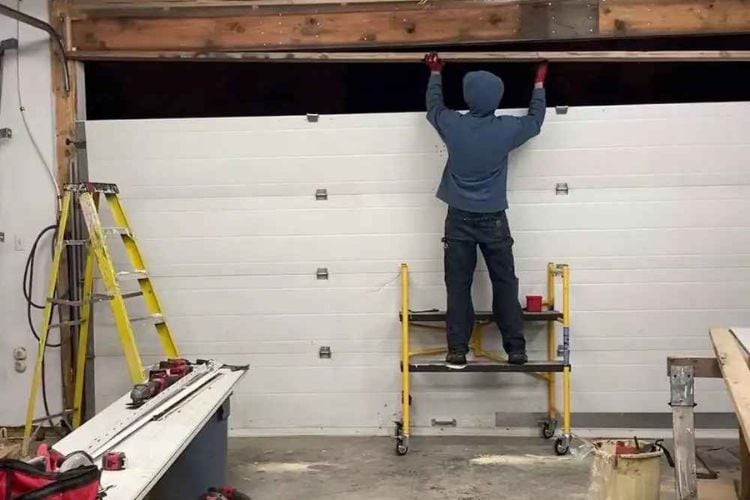
Your garage door makes strange noises, moves slower than usual, or refuses to close properly. Before reaching for your phone, you might wonder whether this is something you can handle yourself. The answer depends entirely on understanding which repairs are safe for homeowners and which ones require professional expertise.
This guide walks you through the garage door repairs you can confidently tackle at home, the safety precautions you need to take, and the critical warning signs that mean it’s time to call a qualified technician.
Is DIY Garage Door Repair Safe?
Garage doors are the largest moving component in most homes, and they’re heavier than many people realise. A standard single garage door weighs between 60 and 90 kilograms, while double doors can exceed 150 kilograms. That weight is managed through a system of springs, cables, and tracks working under significant tension.
The high-tension components in your garage door system store enormous amounts of potential energy. Torsion springs, mounted above the door, can rotate at dangerous speeds if they snap or are improperly released. Extension springs, found along the horizontal tracks, stretch under load and can cause serious injury if they break free. These components are responsible for the majority of garage door injuries each year.
That said, not every garage door issue involves these dangerous parts. Many common problems stem from simple wear and tear on accessible, low-risk components. The key is knowing the difference before you pick up a screwdriver.
A safety-first approach means starting every repair by asking one question: does this task involve springs, cables, or anything under tension? If the answer is yes, stop and contact a professional. If the answer is no, proceed with appropriate caution. If you’re planning a custom timber garage door project, understanding lathe garage door construction can help you choose the right materials and building techniques before starting any DIY repairs or upgrades.
What to Check Before Attempting Any DIY Repair
Before touching any part of your garage door system, disconnect the power to your automatic opener. Unplug the unit directly or switch off the circuit at your electrical panel. This prevents the door from activating unexpectedly while you’re working.
Next, use the manual release cord (typically a red handle hanging from the opener track) to disengage the door from the automatic system. This allows you to move the door by hand and test its balance. If the door feels extremely heavy, rises on its own, or drops quickly when released, you likely have a spring problem that requires professional attention.
Conduct a visual inspection before starting any work. Look for obvious damage such as frayed cables, rust spots, bent tracks, cracked panels, or worn rollers. Note anything unusual, but remember that seeing a problem doesn’t always mean you should fix it yourself.
For minor maintenance and repairs, you’ll typically need a socket set, screwdrivers, a rubber mallet, white lithium grease or silicone-based lubricant, a level, and basic cleaning supplies. Keep your tools organised and work methodically through each task.
Before attempting any DIY repair, you need to correctly identify what’s causing your garage door to malfunction—our comprehensive garage door troubleshooting guide walks you through diagnosing common problems like sensor issues, mechanical failures, and power supply faults so you can determine whether it’s a simple fix or something requiring professional attention.
Garage Door Repairs You Can Do Yourself
The following maintenance tasks are safe for most homeowners and can prevent more serious problems from developing. These jobs require basic tools, minimal technical knowledge, and no interaction with high-tension components. If your garage door is making annoying noises during operation, our guide to squeaky garage door fix covers simple maintenance tips to help restore smooth and quiet performance before the problem gets worse.
Lubricating Moving Parts
A noisy garage door often just needs lubrication. Apply white lithium grease or a silicone-based lubricant to the hinges, rollers (unless they’re nylon), and the metal parts of your springs. Run a light coating along the opener’s chain or screw drive as well.
Avoid using WD-40 as your primary lubricant—it’s a solvent that cleans but doesn’t provide lasting lubrication. Apply sparingly; excessive grease attracts dust and debris that can gum up your system. Lubricate your garage door every six months, or more frequently if you use it multiple times daily. While this guide covers repairs you can safely tackle yourself, spring replacement is never one of them—learn why in our article explaining what happens when a garage door spring breaks and why these high-tension components should only be handled by licensed technicians to avoid serious injury.
Tightening Loose Hardware
The vibration from daily operation gradually loosens the bolts, brackets, and screws throughout your garage door system. Use a socket wrench to tighten the bolts on your door’s hinges and the brackets connecting the track to the wall and ceiling.
Check the fasteners on the opener’s mounting bracket as well. Loose hardware creates unnecessary movement and noise, accelerates wear on other components, and can eventually cause alignment issues. A quarterly check takes five minutes and prevents problems before they start.
Cleaning Tracks and Components
Dirt, leaves, and debris accumulate in your garage door tracks over time. Use a damp cloth to wipe down the inside of the tracks, removing any buildup that might obstruct smooth operation. A stiff brush can dislodge stubborn grime.
Don’t confuse dirty tracks with misaligned tracks. If your door still operates poorly after cleaning, the tracks themselves may need professional adjustment. Never attempt to bend or realign tracks yourself—they require precise positioning to function safely.
Replacing Weatherstripping
The rubber seal along the bottom of your garage door (and sometimes the sides and top) prevents drafts, pests, and water from entering your garage. Over time, these seals crack, flatten, or tear.
Replacement bottom seals slide into a channel on the door’s lower edge or attach with screws. Measure your door’s width before purchasing, and buy slightly longer than needed so you can trim to fit. Side and top seals typically press into grooves or adhere with built-in adhesive backing. Proper weatherstripping improves energy efficiency and keeps your garage cleaner and drier.
Testing Safety Features
Modern automatic garage doors include safety features required by Australian standards. The auto-reverse function should stop and reverse the door if it contacts an obstruction. Test this monthly by placing a piece of timber flat on the ground in the door’s path—the door should reverse upon contact.
Your photo-eye sensors, mounted near the floor on either side of the door opening, create an invisible beam that triggers reversal if broken. Clean the sensor lenses with a soft cloth if they’re dusty or dirty. If the sensors are misaligned, indicated by blinking lights, you can often adjust them by loosening their mounting brackets, repositioning by hand, and retightening. If alignment problems persist, the sensors may need professional diagnosis. Before you touch any component, it’s worth learning how to tell if your garage door is properly balanced, because a counterbalance fault changes which repairs are safe to attempt yourself.
Garage Door Opener DIY Repairs
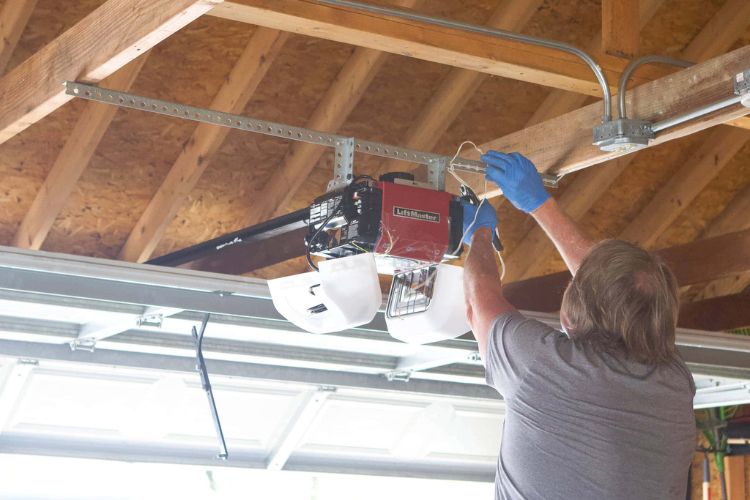
Several common opener issues have straightforward solutions that don’t require professional intervention. Garage door cables work together with springs to lift and lower your door safely, and while minor cable inspections are DIY-friendly, actual replacement involves significant risk—our step-by-step garage door cable repair guide explains the process and helps you decide when to call a professional.
Remote and Power Issues
If your remote stops working, start with the obvious: replace the batteries. If fresh batteries don’t solve the problem, you may need to reprogram the remote using the instructions in your opener’s manual. Most units have a “learn” button on the motor housing that syncs with remotes when pressed.
Check that the opener is receiving power. Verify the unit is plugged in, inspect the outlet with another device, and check your circuit breaker. Power surges can sometimes trip internal fuses within the opener—consult your manual if you suspect this issue.
Sensor Alignment and Adjustment
When your door reverses immediately after touching the floor or won’t close at all, misaligned sensors are often the culprit. Both sensors should have steady (not blinking) indicator lights. Gently adjust the sensor angle until both lights remain solid, then test the door’s operation.
Force and Limit Adjustments
If your door stops short of fully closing or doesn’t open completely, the limit settings may need adjustment. Most openers have two small dials or screws—one for up travel and one for down travel. Make small adjustments (quarter turns) and test after each change. The force settings control how hard the door pushes when meeting resistance; improper adjustment can prevent the safety reverse from functioning correctly. If adjustments don’t resolve the issue, stop and seek professional help.
Garage Door Repairs You Should Never DIY
Some components are simply too dangerous for untrained homeowners to repair safely.
Springs and Cables
Whether your system uses torsion springs (above the door) or extension springs (along the sides), these components are under extreme tension. A broken spring releases stored energy instantaneously, and the flying metal can cause severe injury or death. Similarly, the cables that connect to your springs can snap and whip with tremendous force.
Signs of spring failure include a door that feels exceptionally heavy to lift, visible gaps in the spring coil, or the door falling rapidly when lowered. If you notice any of these symptoms, stop using the door and call a professional immediately.
Tracks, Rollers, and Door Panels
While you can clean tracks and lubricate rollers, repairs involving track realignment, roller replacement (especially on high-tension doors), or panel replacement require professional expertise. These components affect your door’s balance and structural integrity. Improper repairs can cause the door to fall, jump the track, or operate unpredictably.
If your garage door has a dented or damaged panel, you might be tempted to replace it yourself—our guide on garage door panel replacement costs and process explains when DIY panel work is feasible and when the spring tension involved makes professional installation the safer choice.
Opener Motor and Electrical Repairs
Problems inside the opener unit—circuit boards, capacitors, gear assemblies, or motor issues—require professional diagnosis and repair. Opening the housing exposes you to electrical hazards and complex mechanical systems that require specialist knowledge.
When to Call a Garage Door Professional
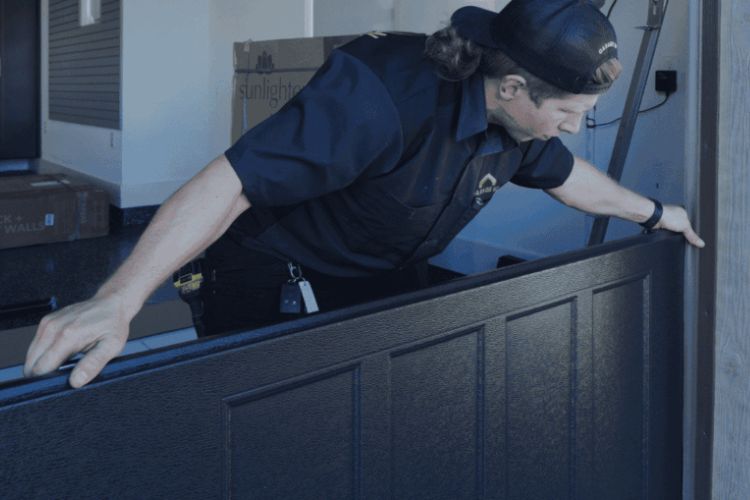
Contact a qualified technician when you notice any spring or cable damage, your door falls or rises unexpectedly, the door jumps off its track, you hear grinding or scraping sounds after basic maintenance, adjustments don’t resolve operational issues, or you simply feel uncertain about a repair. While basic maintenance can often be done yourself, more complex issues involving springs, cables, or openers are best left to the experts—our Professional garage door repairs Nerang team can diagnose and fix the problem safely and efficiently.
Professional repairs cost more upfront but prevent injury, further damage, and the expense of fixing DIY mistakes. A trained technician can also identify developing problems before they become emergencies. Many garage door problems can be prevented altogether with regular upkeep—follow our essential garage door maintenance schedule to learn how routine tasks like lubrication, hardware tightening, and balance testing can extend your door’s lifespan and reduce the need for costly repairs.
Frequently Asked Questions
Can I fix my garage door myself?
Yes, for certain tasks. Homeowners can safely handle lubrication, tightening loose hardware, cleaning tracks, replacing weatherstripping, and testing safety features. However, any repair involving springs, cables, or components under tension should always be left to qualified professionals. The key is honestly assessing each problem before attempting a fix.
Is it dangerous to repair a garage door?
It can be extremely dangerous if you attempt repairs on high-tension components. Torsion and extension springs store enough energy to cause serious injury or death if they snap or release unexpectedly. Low-risk maintenance tasks like lubrication and hardware tightening are safe when performed correctly, but spring and cable repairs account for thousands of injuries annually and should never be attempted without professional training.
What garage door repairs are safe for DIY?
Safe DIY repairs include lubricating hinges, rollers, and springs (externally only), tightening bolts and brackets, cleaning debris from tracks, replacing bottom and side weatherstripping, testing and cleaning photo-eye sensors, replacing remote batteries, reprogramming remotes, and making minor limit adjustments to your opener. Avoid any work that requires releasing spring tension or handling cables.
How do I know if my garage door spring is broken?
Common signs of a broken or failing spring include a door that feels extremely heavy when lifted manually, visible gaps or separation in the spring coil, the door falling rapidly when lowered or rising unevenly, a loud bang from the garage (the sound of a spring snapping), and the opener motor running but the door not moving. If you notice any of these symptoms, stop using the door immediately and call a professional.
How often should I maintain my garage door?
For optimal performance and longevity, lubricate all moving parts every six months, tighten hardware quarterly, test safety features (auto-reverse and sensors) monthly, and conduct a visual inspection seasonally. Doors that see heavy daily use—such as those in households with multiple vehicles or home businesses—benefit from more frequent lubrication and inspection.
Keep Your Garage Door Running Smoothly
Regular maintenance prevents most garage door problems. Lubricate moving parts twice yearly, tighten hardware quarterly, test safety features monthly, and address minor issues before they become major repairs.
For Gold Coast and Brisbane homeowners, A1 Garage Doors Gold Coast provides expert repairs, opener services, and installations when professional help is needed. With a 4.9-star rating and years of experience serving the local community, our team handles the dangerous work so you don’t have to. Call (07) 5515 0277 for same-day service on urgent repairs or to schedule routine maintenance that extends your garage door’s lifespan.
Know your limits, stay safe, and keep your garage door operating reliably for years to come.
