
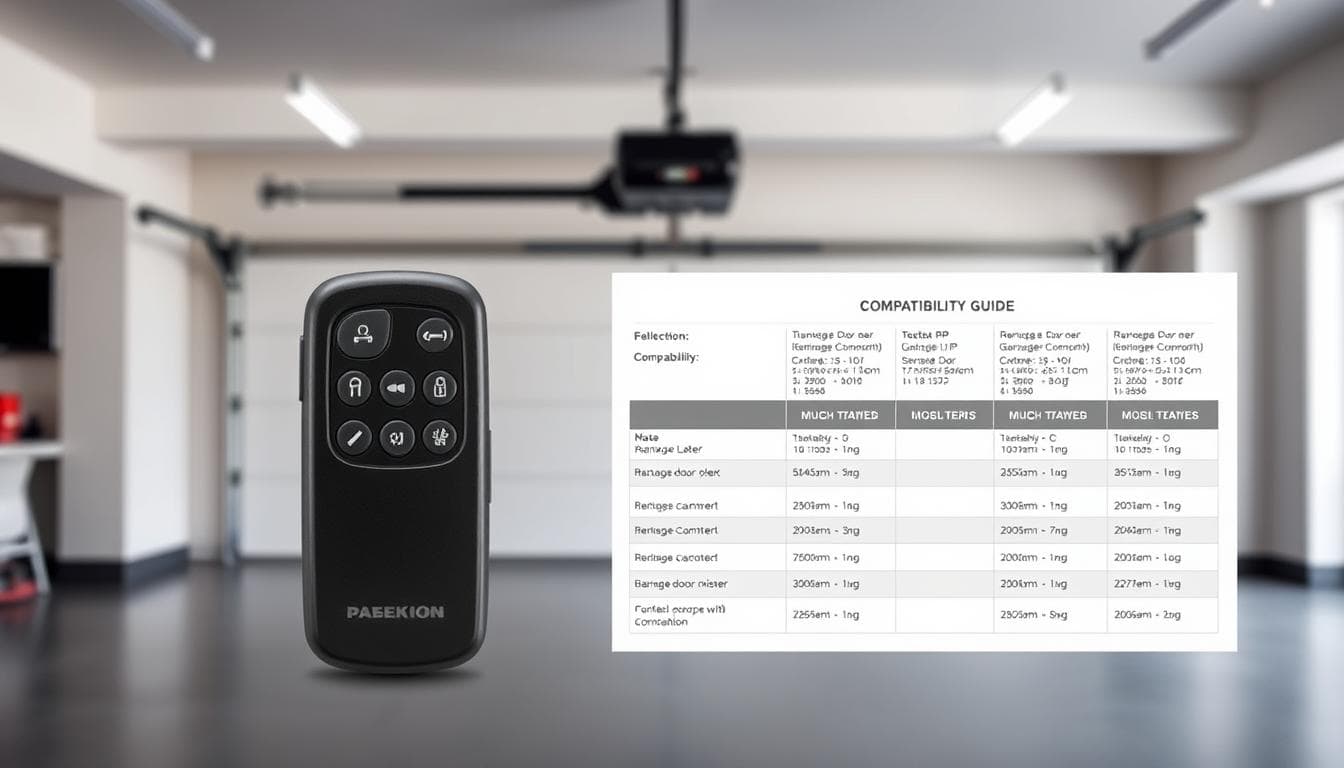
* Professional programming might be needed for some remote garage door options
* Third-party garage door remote options can save money if compatibility is confirmed
Understanding Garage Door Remotes and CompatibilityA1 Garage Doors Gold Coast
1 Waterford CrtYour daily convenience relies on a hidden dialogue between two electronic partners. The handheld garage door remote you use and the machinery above your car must share specific technical details to work seamlessly. Let’s unpack how these components interact and why matching them correctly matters.Bundall, QLD 4217
(07) 5515 0277 <span data-mce-type="bookmark" style="display: inline-block; width: 0px; overflow: hidden; line-height: 0;" class="mce_SELRES_start">Overview of Garage Door Systems
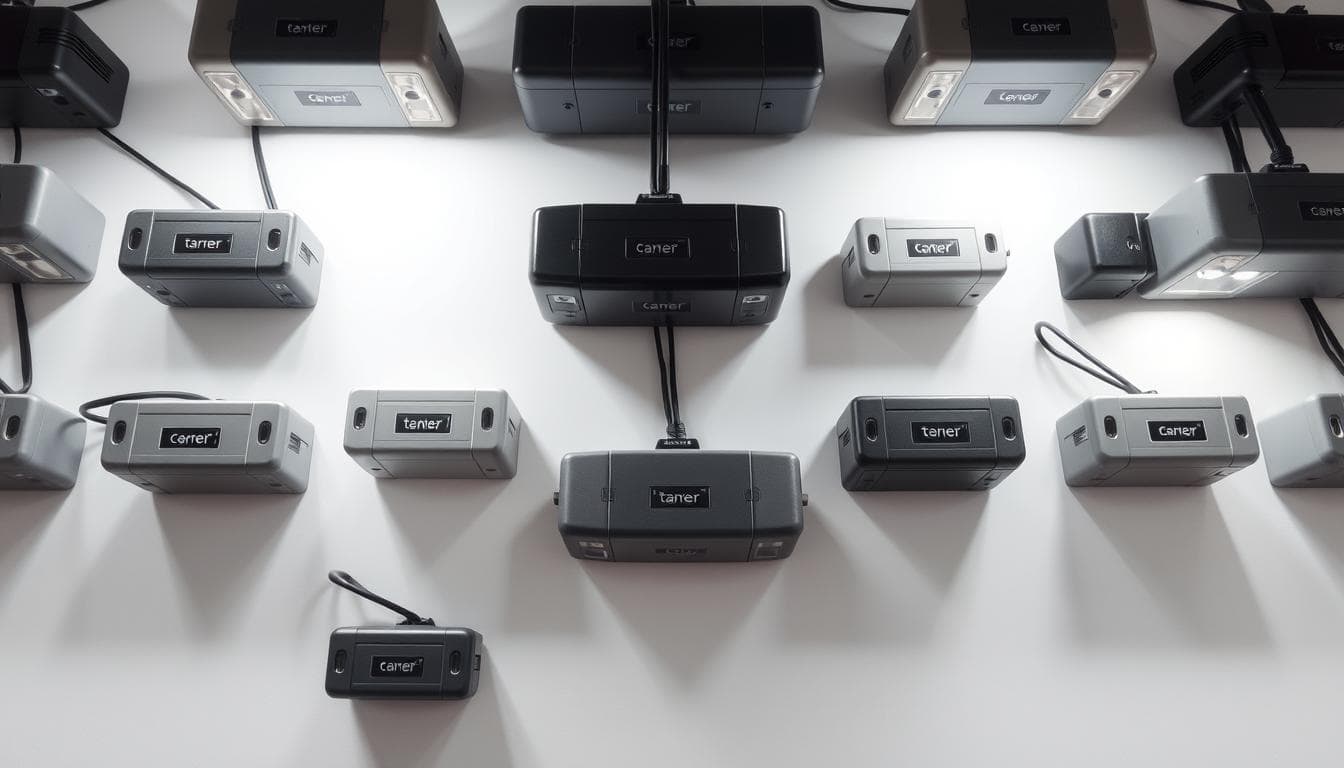
and model. Can’t reach it? Your existing clicker’s backside often reveals matching details.
Locating the Product Manual and Codes
That booklet you shoved in a drawer years ago? Goldmine. Manuals list compatible replacements and setup codes. Lost yours? Check battery compartments – some opener remotes hide model numbers there. Popular Aussie systems like B&D or Chamberlain use unique codes, so snap clear photos of any labels you find.
| Location | What to Find | Pro Tip |
|---|---|---|
| Motor unit | Brand sticker with model | Use a ladder & torch |
| Remote back | Engraved numbers | Check under batteries |
| Manual | Compatibility charts | Search PDFs online |
Stuck? Aussie homeowners often deal with faded labels. If Steel-Line or Merlin systems have you puzzled, email photos to the manufacturer. They’ll sort you out faster than you can say “broken clicker”.
Checking Frequency and Coding Requirements
Your system’s security and functionality depend on two critical factors: the wireless channel it uses and how it verifies commands. Let’s decode these technical elements without the jargon – you’ll be troubleshooting like a pro in no time.
Understanding the 433MHz Frequency Range
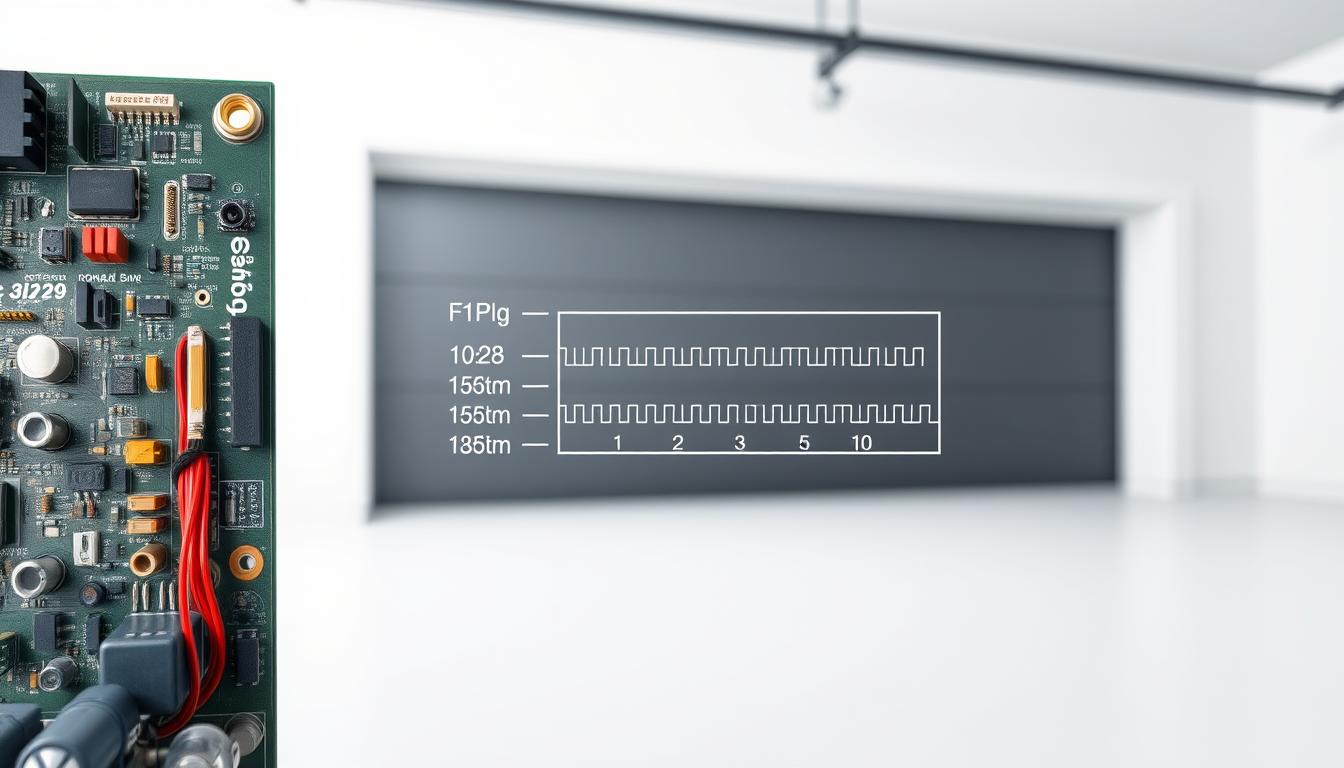
Think of frequencies as invisible highways for signals. Most Australian systems use the 433MHz band – the same wireless lane many car keys and home alarms share. But here’s the catch: older setups might cruise on different channels like 315MHz or 390MHz.
How can you tell? Peek under your clicker’s battery cover. Manufacturers often stamp the frequency there. No luck? Check your motor unit’s manual or look up your model online. Matching this number is non-negotiable – even the right code won’t work if the “radio station” isn’t tuned correctly.
Explaining Rolling Code Technology
Modern systems play a clever game of catch. Each time you use remote controls, both devices generate a new verification sequence. This rolling code system stops would-be thieves from recording and replaying your signal.
Why does this matter? Fixed-code systems (common in pre-2010 models) repeat the same signal – like using the same password forever. Upgraded systems with advanced security features change their digital handshake every use. Check your existing opener for “Security+” or “Intellicode” labels to confirm which type you have.
Struggling to pair devices? Some universal remotes require manual code entry – that series of dips switches or numbered buttons you’ll find in instructions. When in doubt, snap photos of your equipment labels and consult your manufacturer’s support team.
Are Garage Door Remotes Universal: What You Need to Know
Finding a replacement clicker feels urgent when you’re locked out. While universal options seem like quick fixes, their effectiveness depends on your system’s technical specs. Let’s explore how these multi-brand solutions operate and where they fall short.
While discussing remote compatibility, it’s worth noting that homeowners often ask similar questions like, are garage door seals universal, since both remotes and seals depend on specific designs and models for proper functionality.
Matching Your Remotes with Specific Opener Models
Third-party devices work by speaking your system’s language. Manufacturers pre-load them with codes for popular brands like B&D or Merlin. But here’s the catch: if your motor unit uses proprietary tech or uncommon frequencies, even “universal” options might leave you stranded.
Always cross-check packaging lists against your opener’s model number. One Brisbane homeowner learned this the hard way – their 1990s system required a specialist replacement despite the shop assistant’s assurances.
Benefits and Limitations of Universal Remotes
These multi-brand devices shine in two scenarios: replacing lost clickers for mainstream systems or controlling multiple doors. Why carry three transmitters when one handles everything? Modern versions even support rolling codes, matching OEM security standards.
But compromises exist. You might lose custom features like timed closures or battery indicators. Signal strength can vary too – cheaper models sometimes struggle with metal garage panels or longer distances. For rare or commercial-grade systems, manufacturer-specific remotes remain the safer bet.
Pro tip: Keep your original clicker’s manual. It contains compatibility charts that simplify replacement shopping, whether you choose universal or brand-locked options.
Choosing the Right Remote for Your Garage Door System
Imagine holding a device that works seamlessly every time you press a button. That’s what happens when your handheld matches your motor unit perfectly. Let’s explore how to pick the best solution without wasting money or time.
Genuine vs Universal Remote Options
Manufacturer-made devices act like tailored suits – designed specifically for your system. They connect instantly and often include bonus features like smartphone controls. One Sydney resident reported their genuine replacement worked from 50 metres away, even through brick walls.
Universal models? Think adjustable waistbands. They fit multiple systems but might sag where it counts. While cheaper upfront, they sometimes need extra programming steps. A Perth family saved $40 on a universal model, then spent hours troubleshooting interference from their new LED lights.
Key Features and Added Functions
Modern replacements aren’t just clickers anymore. Top-tier versions let you check battery levels or activate lights before opening. Some even work with Alexa – “Open the roller door” becomes part of your morning routine.
Are Garage Door Remotes Universal
Here’s what matters most:
* Signal strength (look for 433MHz models)
* Smart home connectivity
* Multi-door control buttons
* Weather-resistant casing
Always check warranty details. Original equipment usually offers 2-5 years coverage, while third-party options might only last 12 months. Your motor unit’s manual contains compatibility charts – keep it handy when shopping.
Conclusion
Ever stared at a jumble of replacement options feeling overwhelmed? Finding the right match for your system doesn’t need to be stressful. Start with your opener’s model number – that golden ticket simplifies everything. Jot it down where you’ll remember, like your phone’s notes app.
When considering remote compatibility, some homeowners also ask, are garage doors aluminium, since the material of the door can sometimes affect signal range and performance of universal remotes.
Security-conscious homeowners should prioritise rolling code technology. It’s like having a new lock combination every time you press the button. Many Aussie suppliers now offer smart versions – control your space from the couch or the shops. Just check return policies in case adjustments are needed.
Here’s a tip from tradies: always keep a spare. Tuck one in your glovebox or give it to a trusted neighbour. Compatibility hiccups? Local experts like B&D or Merlin technicians can sync devices faster than you’ll finish your cuppa.
Investing time upfront saves weekend headaches later. Whether you choose brand-specific or multi-system solutions, the right clicker keeps life rolling smoothly. Now – where did you put that model number again?
FAQ
Will any remote work with my garage door opener?
No. Most openers require remotes that match their brand, frequency (like 433MHz), and security coding. Brands like Chamberlain, Merlin, or B&D use unique signals. Always check compatibility guides before buying replacements.
How do I find the right replacement remote?
Start by locating the model number on your motor unit or original remote. Brands like Centurion or Stratco often print codes near the battery compartment. Cross-reference this with manufacturer guides or retailer compatibility lists.
Are universal remotes reliable for older systems?
They can work well with basic systems lacking rolling-code tech. However, homes with post-1990s openers (common with Alspec or Technicraft models) might need brand-specific remotes for encrypted signal compatibility.
Can I reprogram a second-hand remote?
Sometimes. If the frequency matches and the remote supports resetting (like older Hills models), follow your opener’s reprogram steps. Rolling-code remotes often can’t be reused due to security protocols.
Why won’t my new universal remote pair correctly?
Mismatched frequencies or outdated coding methods are common issues. Check if your opener uses DIP switches (older systems) or modern rolling codes. Systems from brands like B&D or Merlin may require specific syncing steps.
Do smart remotes work with all openers?
Not always. Wi-Fi or Bluetooth-enabled devices (like those from Genie or LiftMaster) often need hub adapters for older systems. Verify compatibility with your opener’s make and communication protocol first.
How do I check my current remote’s frequency?
Look for labels showing kHz/MHz ratings (e.g., 315MHz, 433MHz) on the remote’s back or under the battery. Brands like Centurion or Stratco often list this near the model number. A technician can also test it with a frequency reader.
