
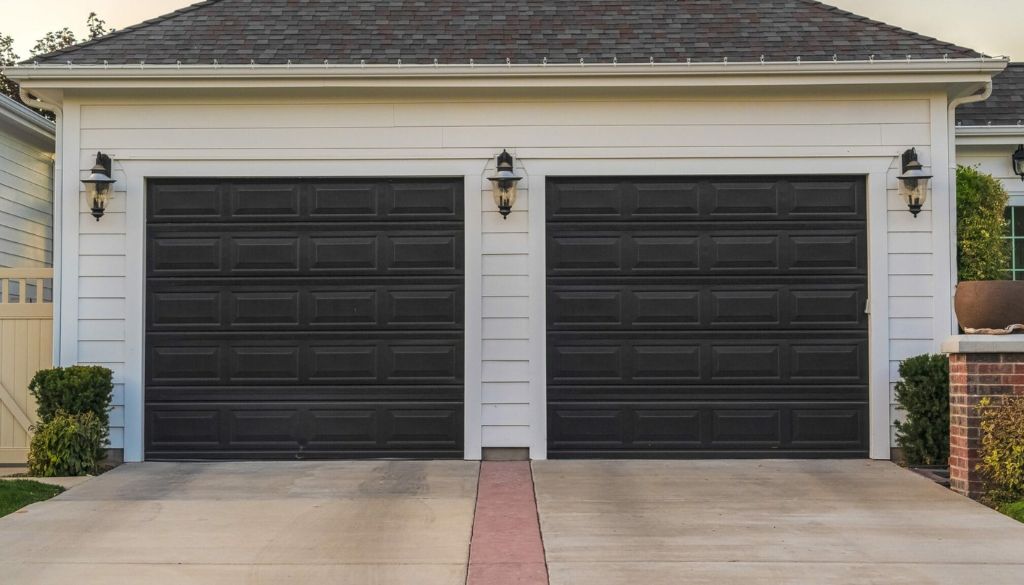
If you’re staring at two ageing garage doors and wondering whether you can convert them into a single, wider opening — the short answer is yes. But like most home improvement projects, the devil is in the detail. From structural load-bearing walls to local council requirements, converting double garage doors to a single involves more planning than most homeowners expect. If you’re keeping a double door setup rather than converting, managing heat through the larger door opening becomes even more important — our guide on heat insulation panels for double garage roller doors covers exactly what panel types and R-values work best for wider door curtains.
At A1 Garage Doors Gold Coast, we carry out this type of conversion regularly across the Gold Coast region. This guide walks you through everything you need to know — from the structural considerations to the expected costs — so you can make a confident, informed decision before you pick up the phone.
Why Homeowners Want to Convert Two Doors Into One
The most common reason people ask about this conversion is simple: their current setup no longer fits their lifestyle. Two narrow single doors — typically around 2.4 m wide each — can make it frustrating to park a modern SUV, van, or boat trailer. A single panel door spanning the full double-bay width (usually 4.8 m to 5.5 m) solves this immediately.
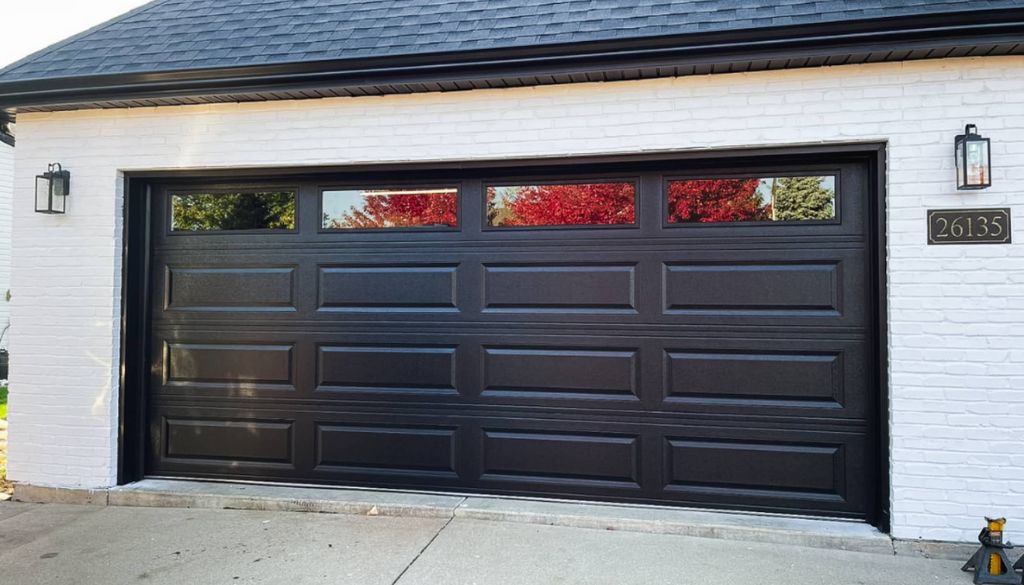
Beyond practicality, there’s a strong aesthetic case. A single, seamless sectional or roller door gives a home a cleaner, more contemporary look. Many Gold Coast homeowners also find that maintaining one automatic opener rather than two reduces both running costs and the number of service calls over time. If you’re considering upgrading to a smart motor as part of the project, our guide to the best smart garage door openers in Australia is worth reading before you commit to a system — it breaks down compatibility, features, and what to look for in 2024.
Interior space is another driver. The centre pillar that separates two single doors often intrudes into usable floor space. Removing it opens up the garage for larger workbenches, storage racks, or a workshop setup that simply wasn’t possible before.
Check Your Garage Structure First — This Is Non-Negotiable
Before you get excited about door styles and colours, the most important step is a structural assessment. Not every garage can safely accommodate the conversion, and cutting corners here creates serious safety risks.
The Centre Pillar
In older Gold Coast homes — many built during the 1970s through 1990s housing boom — the centre pillar between two garage doors is often load-bearing. It carries the weight of the roof structure above. Removing it without installing an appropriate steel beam or reinforced lintel is dangerous and in most cases illegal under the National Construction Code.
The Lintel and Roof Line
A wider opening means more span for the lintel to bridge. Your structural engineer will specify the minimum steel beam size based on your roof load, span width, and the age of the building. This is a cost that surprises many homeowners — but it’s not optional.
The Floor and Foundation
Less commonly discussed but equally important: the garage floor. If the existing slab has significant cracking near the old door framing, the conversion is a good opportunity to address it. Wide door tracks are anchored to the floor, and instability here causes long-term operational issues.
We recommend engaging a licensed structural engineer before proceeding. It adds a modest upfront cost but protects you legally and practically.
Step-by-Step: How the Conversion Actually Works
Step 1 — Planning and Council Permits
In Queensland, structural alterations to a garage generally require a building permit. Your local Gold Coast City Council building certifier can advise on whether your specific project needs one. Skipping this step can create complications when you sell the property.
Step 2 — Structural Engineer Sign-Off
Once you have a structural engineer’s report confirming feasibility, you’ll receive specifications for the new beam. This document is required by your builder or certifier to proceed with the structural work.
Step 3 — Removing the Existing Doors and Pillar
The old doors, tracks, and hardware are removed. If the centre pillar needs to come out, this is done carefully with temporary supports in place to hold the roof structure while the new beam is installed. This work must be carried out by a licensed builder.
Step 4 — Installing the New Beam
A steel or LVL (laminated veneer lumber) beam is installed across the new, wider opening. The builder will ensure it’s seated correctly in the existing wall structure on both sides. This is the most critical phase of the entire project.
Step 5 — Installing the New Garage Door
Once the opening is ready, your garage door installer takes over. This is where we come in. The A1 Garage Doors Gold Coast team measures the opening precisely, orders the door to fit, and handles full installation — including the automatic opener, tracks, springs, and safety sensors.
Step 6 — Finishing and Matching
The final phase involves rendering or cladding the wall sections beside the new door frame to match your home’s exterior. It’s also the right time to address any gaps around the new frame before they become an energy efficiency problem — our article on how to fix garage door gaps for energy efficiency explains exactly what to seal and how, so your new wide-span door performs as well as it looks.
What Does It Cost to Convert Double Garage Doors to a Single in Australia?
Costs vary depending on the structural complexity, the door type selected, and your location. The figures below reflect typical Gold Coast market pricing in 2025:
| Project Component | Typical Cost Range (AUD) |
|---|---|
| Structural engineer report | $500 – $1,200 |
| Steel beam / lintel installation | $1,500 – $4,000 |
| Builder labour (pillar removal + beam) | $2,000 – $5,000 |
| Standard Colorbond Sectional Door (4.8–5.5 m) | $4,000 – $6,000 |
| Custom or insulated sectional door | $5,000 – $9,000 |
| Roller door (single wide) | $3,500 – $6,500 |
| Automatic opener (motor + remotes) | $500 – $1,200 |
| Rendering / cladding & finishing | $800 – $2,500 |
Note: These are indicative ranges only. A1 Garage Doors Gold Coast provides free, no-obligation quotes on the garage door supply and installation portion of your project. Call (07) 5515 0277 for an obligation-free consultation.
What Door Type Should You Choose for a Wide Single Opening?
Sectional Panel Doors The most popular choice for double-bay width conversions. Sectional doors travel up and back along ceiling-mounted tracks, meaning they don’t project outward when opening — important in driveways with limited clearance to the street. They’re available in insulated and non-insulated versions and suit both residential and commercial applications.
Roller Doors Roller doors coil up above the opening, freeing up maximum ceiling and wall space inside the garage. They’re an excellent option if you want to use every inch of your interior for shelving or equipment. Modern roller doors are available in steel or aluminium and can be motorised with a quiet tubular motor. That said, wider roller doors are more susceptible to operational issues over time — if yours starts playing up, our guide to rollup door problems and how to fix them covers the most common faults and what can be resolved without a full replacement.
Tilt Doors Less common in new installations today, tilt (tip-up) doors are a single panel that swings outward and up. They can be used in wide-span openings but require significant driveway space and ceiling clearance. We generally only recommend them as replacements for existing tilt door setups.
Don’t Overlook Insulation on a Wider Door
A single wide-span door has considerably more surface area than two smaller doors, which makes insulation a much bigger factor than most homeowners expect at the planning stage. On the Gold Coast, an uninsulated steel door facing west can radiate significant heat into your garage through summer, turning the space into an oven by early afternoon. If you’re going to the effort and expense of a full conversion, specifying an insulated door from the outset costs far less than retrofitting later. Our detailed guide on upgrading your home with garage door insulation walks through every insulation option — from foam-injected panel cores to reflective foil — and what each delivers in terms of real-world temperature reduction on the Gold Coast.
Benefits vs. Considerations: An Honest Assessment
Benefits
* Cleaner, more contemporary kerb appeal
* Full-width vehicle access — ideal for SUVs, vans, boats, and trailers
* Single automatic opener reduces long-term maintenance
* Removal of centre pillar opens up interior floor space
* Can increase property value when done to a high standard
Considerations
* Structural work is the largest unknown cost — get quotes from multiple builders
* Garage will be unusable for several days to a couple of weeks during the conversion
* A council building permit may be required before work begins
* Total project cost, including structural work, can reach $15,000+ for complex jobs
* The quality of the door installation directly affects longevity — always use a licensed installer
What Can Go Wrong — and How to Avoid It
The most common issue we see on the Gold Coast is homeowners who have the structural work done by an unlicensed tradesperson to save money, only to have the new beam seat incorrectly or the opening frame bow under load. This creates binding and tracking problems for the door that are expensive to rectify.
The second most common issue is choosing a door that’s too heavy for the existing ceiling structure or opener motor. Wide-span doors carry significantly more weight than single doors, and a motor that works fine for a 2.4 m roller door may struggle with a 5.2 m sectional.
A third issue we encounter is sloped or uneven driveways that weren’t factored into the door selection. The bottom seal and tracking system need to account for any gradient — our article on garage door installations on a slope explains how this is assessed and resolved, and it’s essential reading if your driveway isn’t dead flat.
Alternative Options Worth Considering
If the full conversion feels like too much disruption or expense right now, there are a few middle-ground solutions:
* Replace two old single doors with two new, matching single doors — a much simpler and more affordable update that still refreshes your home’s appearance.
* Upgrade to a smart dual-opener system that allows both doors to operate on a single remote or app — a cost-effective way to simplify operation without structural changes.
* Install one wide and one narrow door — if you primarily use one bay for parking and the other for storage access, this asymmetric approach can be a practical compromise.
Ready to Convert? Talk to A1 Garage Doors Gold Coast
A1 Garage Doors Gold Coast has been serving residential and commercial customers since 2020, with a 4.9/5 rating across verified reviews. We supply, install, and service garage doors across the Gold Coast and parts of Brisbane — from Bundall to Surfers Paradise, Burleigh Heads to Coomera.
We provide free, no-obligation quotes on the door supply and installation component of your conversion project. Our team can also advise on structural requirements and refer you to trusted licensed builders and engineers where needed.
Call us today on (07) 5515 0277 or visit goldcoastgaragedoorrepair.com.au to get your free quote.
Frequently Asked Questions
Can I do this conversion myself?
The garage door installation component is possible for an experienced DIYer, but the structural work — particularly removing a load-bearing centre pillar and installing a steel beam — must be carried out by a licensed builder. We strongly recommend professional installation for the door itself to ensure safety, correct spring tension calibration, and warranty coverage.
How long does the full project take?
Structural work typically takes one to three days. Door installation, once the opening is ready, usually takes half a day to a full day depending on the door type and complexity. Allow for a planning and permit period of two to four weeks before physical work begins.
Will my home insurance cover this?
A planned structural renovation is not covered by home insurance as a standard claim. However, ensuring all work is done by licensed tradespeople with proper permits protects your ability to make future claims related to the garage structure.
Does the door colour need to match my house exactly?
Not necessarily, but strong contrast without deliberate design intent tends to date quickly. Most Gold Coast homeowners choose a colour from the Colorbond range that either matches their roofline, trim, or main exterior wall colour. We can advise on popular combinations for homes in your suburb.
