
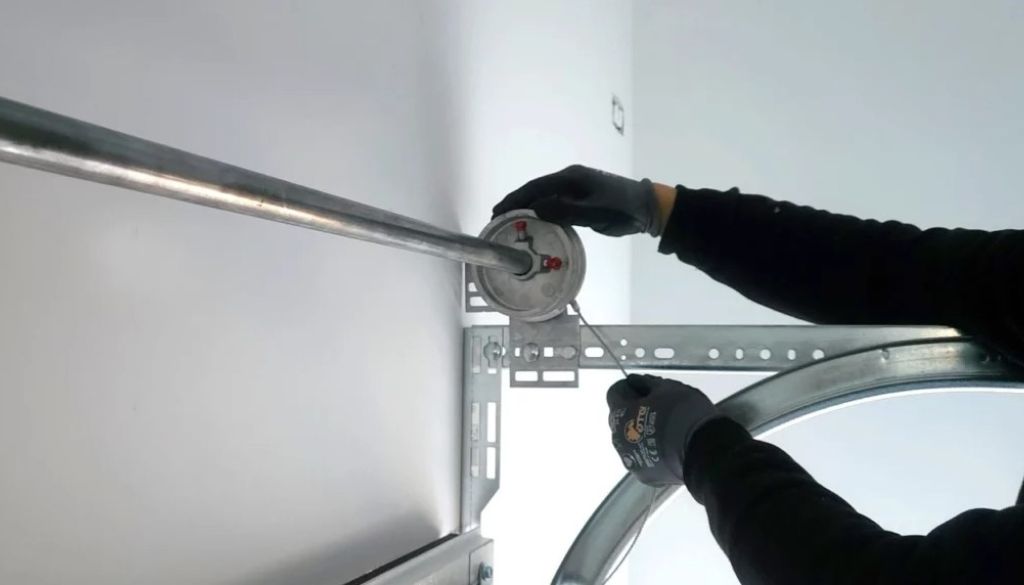
Garage door cables play a crucial role in the safe and efficient operation of your garage door system. When these cables suffer wear or damage, it’s important to address the issue promptly to prevent further complications. In this expert cable repair guide, we’ll delve into the essential steps for diagnosing cable issues and performing effective repairs. Whether you’re a seasoned DIY enthusiast or considering professional assistance, understanding the implications and procedures of cable maintenance will empower you to ensure your garage door operates smoothly, assuring the safety of your family and home.
Brief Overview
Garage door cables are integral for the safe and efficient operation of your garage door system. This guide provides expert insights on diagnosing cable issues and executing effective repairs, essential whether you’re a DIY enthusiast or prefer professional help. By understanding maintenance procedures, you can preemptively address wear and damage, ensuring both functionality and safety. Early detection of problems like frayed cables or unusual noises can prevent costly repairs. Embrace regular checks and proper cable maintenance to prolong the life of your garage door system, ensuring smooth operation and safeguarding your family’s safety.
Key Highlights
* Garage door cables ensure balance and safe, efficient operation by counterbalancing the door’s weight.
* Identifying signs like frayed strands and unusual noises helps diagnose cable issues early.
* Proper tools and safety measures are crucial for effective and safe garage door cable repairs.
* Routine maintenance and regular inspections help extend the lifespan of garage door systems.
* Professional repairs are recommended when cables are severely damaged or when DIY fixes aren’t effective.
Understanding the Importance of Garage Door Cables
Garage door cables play a pivotal role in the overall functionality and safety of any garage door system. Acting as key components, these cables counterbalance the weight of the garage door, making it possible to open and close smoothly. A proper understanding of their importance and operation is crucial for anyone looking to maintain their garage effectively. In the sections below, we explore why these cables are vital, and how they contribute to a well-functioning garage door.
Why Garage Door Cables are Crucial for Functionality
Garage door cables ensure that your garage door operates safely and efficiently by handling the immense weight of the door. They work in tandem with the springs, allowing the door to lift with ease. Without these cables, it would be nearly impossible to manually or automatically lift your garage door. These cables are under significative tension, making them critical to maintaining the balance and functionality of your garage door system. Garage door cables are typically made from braided steel wire, chosen for its strength and durability. This robust construction is essential since these cables have to endure repeated stress each time the door is opened or closed. If your garage door wont close, a damaged or frayed cable could be the underlying cause, so it’s important to inspect the entire lifting system before attempting any repairs.
The importance of garage door cables extends to safety, as well. Potential accidents can occur if a cable snaps unexpectedly due to wear or damage, causing the door to suddenly drop. Regular inspections and maintenance of garage door cables can prevent such incidents, offering peace of mind. Homeowners should routinely check the cables for signs of wear, such as fraying, rust, or any unusual slackness. Through understanding the role and maintenance needs of these cables, you can ensure a long-lasting and safely operating garage door system. Embracing this proactive approach will not only protect your investment but also ensure your daily convenience is uninterrupted.
Benefits of Regular Maintenance
* Extends the lifespan of your garage door components.
* Reduces the risk of unexpected failures and costly repairs.
* Enhances the overall performance and efficiency of your garage door system.
Warning Signs to Watch For
* Visible damage to cables or other components.
* Unusual sounds like grinding or squeaking during operation.
* Uneven or jerky motion when opening or closing the door.
Professional Services
* Annual inspections can detect hidden issues before they become major problems.
* Trained technicians can provide precise adjustments and replacements if needed.
* Professional services ensure compliance with safety standards and regulations.
Common Reasons Your Garage Door Won’t Open
Have you ever faced the frustration of a garage door that stubbornly refuses to open? This issue often arises from problems with critical components like springs and cables. Understanding why your garage door isn’t functioning properly is essential in identifying whether it’s a power failure or a more complex mechanical fault. From door cables to the track and spring mechanisms, several elements could be at play. In the following sections, we’ll focus on garage door cable issues, exploring how these crucial parts can impact your garage door’s performance and what signs you should look out for.
Identifying Garage Door Cable Issues
Your garage door relies heavily on its cables to operate effectively. These garage door cables are under immense tension, working alongside the spring system to manage the weight of the door. One apparent problem you might face is a broken cable, causing the door to become unbalanced or fail to open entirely. Identifying cable issues early involves checking for visible signs of wear or damage. Look for frayed strands or rust on your garage door cables, as these are clear indications that the cables may be compromised.
Another telltale sign of garage door cable problems is hearing unusual noises when your garage door operates. Grinding or squeaking sounds can indicate that the cables aren’t functioning as they should. Occasionally, the door might become misaligned due to problems in the track, power failure, or complications with the spring system. Keep an eye out for cables that appear saggy or loose, as they could disrupt balance, causing additional strain on other parts of the garage door.
If you’re dealing with potential hazards, it’s crucial to handle any cable garage repairs with caution. Homeowners should avoid attempting to fix these issues without understanding the risks involved. Instead, consider inspecting the garage door tracks, ensuring they’re clear of obstructions that could interfere with the cables. When needed, don’t hesitate to reach out to a professional, as improperly handled repairs could lead to further problems down the line. By addressing garage door cable issues promptly, you can prevent more severe failures and ensure your garage door remains safe and functional.
To maintain your garage door and prevent cable issues, consider the following key steps:
* Regularly inspect cables for any signs of fraying or rust.
* Lubricate cables to ensure smooth and noise-free operation.
* Schedule routine professional maintenance checks.
* Keep the garage door tracks clean from debris and obstructions.
* Avoid DIY repairs without adequate knowledge or expertise.
* Test the door balance monthly for misalignments.
* Replace worn or damaged cables promptly.
Taking preventative measures helps maintain your garage door’s longevity and ensures optimal functionality.
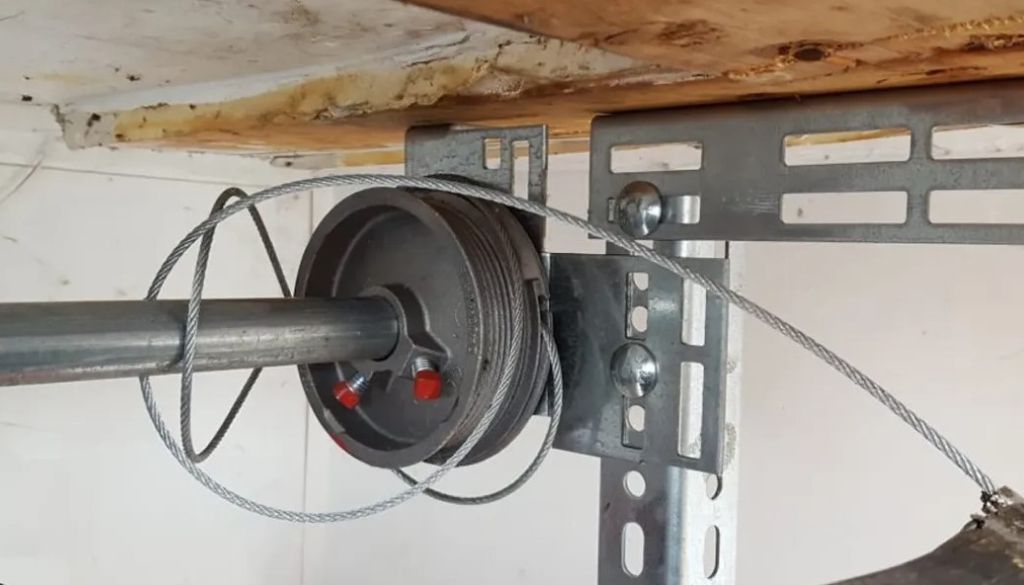
Signs of a Broken Garage Door Cable
Recognizing the signs of a broken garage door cable is crucial for timely intervention and repair. Ignoring these warning signs can compromise your garage door’s functionality and safety. Common indicators include unusual noise, slackness, or visible fraying of the cables. By understanding these symptoms, you can take appropriate action before more extensive damage occurs. In the following sections, we’ll delve deeper into how to identify cable damage and ensure your garage door operates smoothly.
How to Spot Garage Door Cable Damage
Spotting damage in your garage door cables early can save you from more significant repair costs in the long run. One of the most obvious signs of cable damage is visible fraying or corrosion on the cables themselves. These signs indicate wear and can lead to a complete cable breakage if not addressed promptly. It’s essential to inspect these cables regularly as part of your garage door maintenance routine. Additionally, if you notice that your garage door is opening unevenly or appears crooked, it could mean one of the cables has lost tension or is damaged. This problem needs immediate attention, as it can lead to further complications, affecting the balance and operation of the entire garage door system.
Moreover, unusual noises such as grinding or squeaking when opening or closing your garage door can also signal cable issues. Such noises often result from the cables rubbing against other components due to misalignment or wear. Inspecting your garage door cables for any unusual drooping or misalignment is necessary to prevent further degradation. If a cable is loose, broken, or has slipped out of its drum, it will need immediate repair or replacement to restore the door’s functionality. While skilled DIYers might handle some minor cable repair tasks, it’s often safer and more effective to call in professional door repair services to handle cable repair or replacement, ensuring that your system remains reliable and safe. If your door behaves unpredictably, such as garage door opening by itself, damaged or worn cables could be one of the underlying issues that should be inspected promptly.
Preparing for Garage Door Cable Repair
When it comes to garage door cable repair, preparation is key to ensuring a smooth and safe repair process. To begin with, gathering essential tools and understanding common safety measures are crucial. Before diving into the actual repair, familiarizing yourself with the necessary equipment and precautions is essential. This foundational knowledge will not only enhance your confidence but also minimize potential risks during the repair process. Additionally, being aware of the specific tools that can aid in maintaining your garage doors further simplifies the complex task of handling garage door cables and springs safely.
Essential Tools and Safety Measures
To successfully repair garage door cables, you’ll need a specific set of tools and to adhere to critical safety measures. Investing in a high-quality tool kit crafted for garage maintenance is a wise decision. This kit should include wrenches, locking pliers, and a winding bar to safely manage spring tension. Additionally, safety glasses and gloves are indispensable to protect against potential injuries while handling garage door cables and springs. A sturdy ladder is another necessary tool that provides stability as you work on elevated sections of the door. Safety is paramount in garage door cable repair. Garage doors are under significant spring tension, which poses inherent risks during repair. Always ensure the power to the garage door opener is disconnected to avoid any accidental activation. Another crucial step is examining the door cables for clear signs of wear or damage such as fraying or rust. This preliminary check can give you an overview of whether replacement is imminent or maintenance might suffice. Lastly, understanding the door cables’ movement along the track is vital. Pay attention to how the cables interact with the spring and garage door mechanism, ensuring they are aligned correctly. Mishandling could lead to further damage or injury. If at any point you’re uncertain, it’s beneficial to contact a professional repair service. They can provide expert advice and assistance, ensuring your repair process is not only efficient but also safe, keeping your garage door fully functional. Remember, preparation and awareness are your best allies when undertaking garage door repairs.
Step-by-Step Repair Process for Broken Garage Door Cables
If your garage door cables have snapped or become worn, undertaking a thorough cable repair is essential to restore your door’s functionality. A systematic approach not only ensures efficiency but also maximizes safety during the repair process. To address and resolve issues like a broken garage door, begin by gathering the necessary tools and understanding the safety protocols required. Following these steps meticulously will assist in a successful repair garage operation, ensuring both safety and reliability for your garage doors. Below, we delve into the specific steps involved in the safe replacement of garage door cables.
How to Safely Replace a Garage Door Cable
Replacing a garage door cable can seem daunting, especially when dealing with high-tension elements like springs that are integral to the garage door’s operation. Before starting the replacement process, ensure you’re equipped with the proper tools, such as locking pliers, winding bars, and safety gear. Disconnect the power to your garage door opener to prevent accidental activation during the cable repair. This power disconnection is a crucial safety step often overlooked by DIY repair enthusiasts. Once you’re physically prepared, start by loosening the screws on the drum located at the top corner of the door, where the cables wind. Carefully uncoil the broken or frayed cable, mindful of the potential snap risk due to the tension in the spring system.
When you’re ready to install the new replacement cable, ensure it is of the correct length and gauge for your garage door type. Begin by threading the cable through the pulleys, maintaining tension to prevent the cable from slipping off its track. It’s essential to engage the springs appropriately, as they provide the crucial counterbalance that assists with smooth door operations. Keep the cable tension balanced on both sides of the garage door to avoid operational stress and prevent uneven wear. Finally, re-tighten all screws and fittings, verifying that the cables and springs are securely in place. Test the door by opening and closing it to ensure the new cable has been installed properly, making adjustments as necessary. If the door doesn’t function smoothly or if you encounter difficulties managing the cable tension, consulting a repair service might be advisable. Taking these precautions ensures that your garage door cables replacement restores safe and effective operation. Remember, safety first, always use the appropriate gear and knowledge before undertaking cable repairs yourself.
Garage Door Cable Repair Tips for DIY Enthusiasts
For those keen on tackling garage door cable repairs themselves, some specific tips can enhance your efforts and ensure a successful fix. Understanding the intricate nature of garage door systems, including the cables and springs, is crucial before grabbing your tools. This guide will not only help you avoid common mistakes but also instill the confidence needed to execute such repairs safely and efficiently. In addition, we’ve collated essential advice to refine your repair skills and prevent any setbacks along the way.
Avoiding Common Mistakes in Cable Repair
Jumping into garage door cable repair without ample preparation can lead to more issues than solutions. One frequent mistake is misjudging the tension on the springs. The spring tension is vital for the balance and operation of your garage door, and mishandling it can lead to injury or further damage to your garage system. Before starting, always ensure the power to your garage door opener is disconnected to prevent accidental movements, addressing both safety and repair accuracy.
Another common mistake involves using incorrect cable replacements. It’s important to select cables that are rated for the load and spring tension of your particular garage doors. Opting for the wrong type or size can compromise your garage’s functionality and safety. It’s also crucial to check the stability of the track and components surrounding the cable. Loose tracks can lead to cable misalignment, causing additional wear on the system.
Failing to effectively engage or adjust the spring and garage door mechanism is another error encountered by many DIY enthusiasts. The springs and cables must work in harmony to sustain the door’s balance. After making repairs, always conduct a thorough check by opening and closing the door several times to ensure correct alignment and tension. If the door doesn’t glide smoothly or makes unusual noises post-repair, double-check your adjustments before considering the repair complete. Ensuring precision in these steps can help avoid the need for future repairs and extend the life of your garage door system. If you’re ever in doubt, don’t hesitate to seek professional repair services to secure your garage’s safety and functionality.
Why Routine Maintenance of Garage Door Cables Matters
Routine maintenance of garage door cables is crucial for ensuring the longevity and smooth operation of your garage doors. Regular checks can catch early signs of wear and tear, preventing potentially costly repairs in the future. By consistently maintaining your door cables, you can ensure the balance and functionality of the entire system, reducing the risk of broken cables and the associated dangers. This maintenance doesn’t just preserve the cables themselves but also extends the life of other interconnected components. Discover simple maintenance tips that make these essential checks more manageable and effective.
Simple Ways to Maintain Your Garage Door Cables
Keeping your garage door cables in good condition involves more than just a quick glance every few months. Fundamental garage maintenance includes an organized approach to regular checks, lubrication, and alignment adjustments to avert actual damage. Begin with a monthly visual inspection of your door cables, looking for clear signs of wear such as fraying or rust formation. These early indicators are vital to addressing before they escalate into severe issues like a broken cable, which can compromise your garage door’s integrity and safety.
Apart from checks, good maintenance involves proper lubrication of the cables and pulleys. A light silicone spray can keep the cables flowing smoothly over the pulleys, reducing friction and wear. Be certain to inspect the rest of the garage door mechanism while you attend to the cables, especially the springs and track alignment, as they work in tandem to maintain the door’s performance. If any misalignment is detected, gentle adjustments can prevent undue stress on the cables and prolong the system’s lifespan.
Moreover, keeping your garage doors clean and free from residue buildup plays a crucial role in preventing cable wear. Grit and debris can gradually lead to excess friction and premature cable wear, so routine cleaning with non-abrasive cleansers is recommended. Also, always monitor the door’s balance. An unevenly weighted door might strain the cables, leading to premature failure. Simple steps like these ensure your cables remain robust and functional, reducing the need for repair garage interventions. If signs of damage persist, you might need to consider professional garage door repair services to prevent larger complications. Maintaining door cable efficiency will not only secure your home but also preserve your investment in the long run.
| Maintenance Activity | Frequency | Importance | Preventative Outcome |
|---|---|---|---|
| Inspect Cables for Wear and Tear | Monthly | High | Early detection of damages, preventing sudden failures |
| Lubricate Cable Components | Every 6 months | Medium | Smooth operation and reduced friction |
| Check Cable Tension | Quarterly | High | Ensures balanced door operation |
| Replace Damaged Cables | As needed | Critical | Prevents accidents and further damage |
| Test Cable Alignment | Annually | Medium | Prevents premature wear on door components |
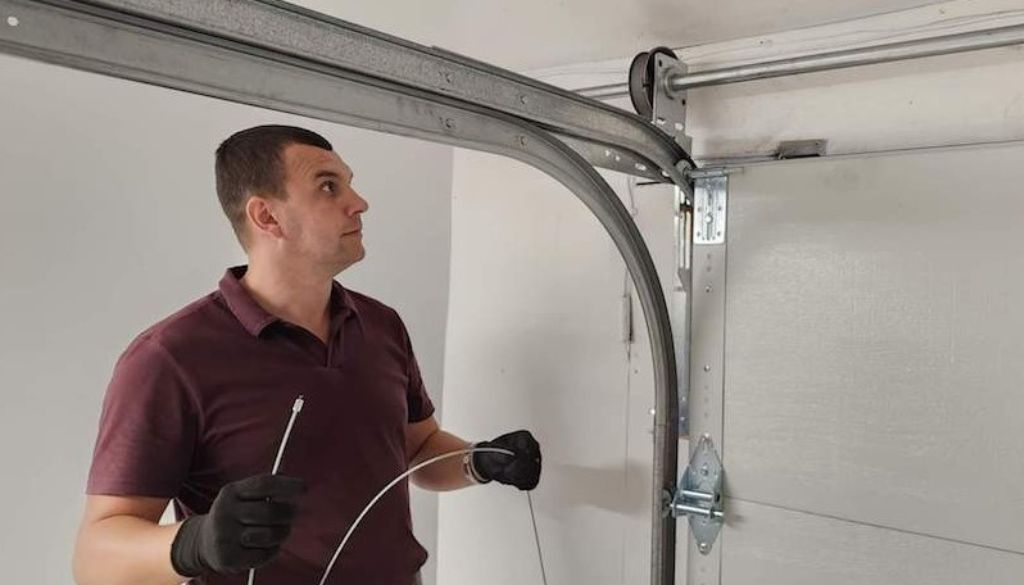
When to Call a Professional for Garage Door Cable Repair
Deciding when to seek professional help for garage door cable repair can be essential for ensuring both safety and proper function of your garage door system. Although many homeowners are skilled at tackling smaller maintenance tasks, certain indicators mean it’s time to call an expert. Knowing these signs helps prevent further damage and secures your garage’s operation. We’ll explore specific situations where professional involvement is recommended, saving you time, effort, and potentially costly errors.
Indicators That Expert Assistance Is Needed
While it’s empowering to handle garage maintenance tasks yourself, understanding when to seek professional assistance for garage door cable repair is crucial. One significant indicator is when the cables are severely frayed or completely broken. The tension in garage door cables is immense, and trying to repair them without proper expertise can lead to injury or further damage. If your garage door makes unusual noises during operation, or if the door doesn’t move smoothly along its track, these could signal cable issues requiring professional attention. These symptoms might imply a misalignment or problem with the spring tension that seasoned technicians can address effectively.
Moreover, if your garage door is operating erratically or not responding to the power input, it may reflect complications beyond basic cable issues. Sometimes, the door might become stuck due to failure in the spring mechanism or its synchronization with the cables, which can’t be resolved with DIY fixes alone. Recognizing these signs early can prevent a small issue from turning into a significant problem, requiring a full cable replacement or a riskier garage door repair scenario. Ignoring such signals can compromise your safety and the security of your property.
If you’ve attempted basic maintenance and the problems persist, don’t hesitate to invest in professional repair services. Professional garage door specialists have the tools and experience to manage high-tension repairs safely. They can ensure that the balance and tension in the door system are properly restored, avoiding damage to other elements like the springs and track. This approach not only resolves existing issues but can prolong the life of your garage system, ensuring it operates smoothly and safely in the long term.
Ensuring Longevity of Your Garage Door System
Extending the lifespan of your garage door system requires attentive maintenance and proactive repairs. Routine checks, timely cable repair, and replacement of worn-out components ensure safety and functionality. Regularly inspecting the tracks, springs, and cables not only prevents potential breakdowns but also optimizes the performance of your garage doors. Adopting such maintenance habits helps in mitigating emergency situations and the associated repair costs. Understanding these simple yet effective methods will empower you to prolong the life of your garage setup, maintaining a smooth operation year-round.
Prolonging the Life of Your Garage through Regular Checks
Carrying out consistent regular checks and maintenance routines is essential in ensuring your garage door’s longevity. As a garage door specialist, one understands that the integration of systems like the power unit, track alignment, and the spring mechanism must be kept in top condition to prevent unnecessary cable repair or replacement. Start with a basic visual inspection of the garage doors monthly. Look closely for signs of wear and tear such as fraying on the cables or a misaligned track caused by tension or abrupt power cycles. Observing these details can preemptively highlight areas needing immediate attention before they escalate into significant issues.
Safety is a paramount consideration; hence, evaluating the spring and cable tension regularly forms a critical component of maintenance protocols. The springs, known for absorbing a significant amount of stress, can lose tension over time, impacting the overall functionality of the garage door system. If the door appears lopsided or doesn’t open and close smoothly, an immediate adjustment or a professional service might be necessary to realign the components. Ensuring that the power to your garage setup is consistently maintained is also critical. Sudden power cuts can disrupt the synchronization of the door systems, leading to cable issues or track misalignments.
Engaging in these routine maintenance checks not only ensures the longevity of your garage door system but significantly enhances its performance. Lubricating moving parts, including cables and springs, reduces friction and wear. It pays to maintain a proactive approach by understanding when it’s essential to call in professional door services. This foresight not only prolongs the operational life of your garage but also secures its safety, functionality, and balance throughout its use. Stay vigilant with your checks, and embrace maintenance as a means to ensure the ongoing reliability and efficiency of your garage door system.
FAQs
Can I replace garage door cable myself?
Replacing a garage door cable can be technically challenging and dangerous due to the high tension in the cables and springs. It is strongly recommended to hire a professional technician from A1 Garage Doors Gold Coast to ensure safety.
Can you lift a garage door with a broken cable?
Lifting a garage door with a broken cable is not advisable as it can be hazardous and may cause further damage. It is best to have it repaired promptly by a professional from A1 Garage Doors Gold Coast.
What happens if a garage door cable breaks?
If a garage door cable breaks, the door may become unbalanced, tilt, or not open properly. This can lead to potential safety hazards. Immediate repair is necessary to prevent further issues.
How much to repair garage door wire?
The cost to repair a garage door wire depends on the extent of the damage, parts needed, and labor. On average, repair costs can range from $100 to $300. Contact A1 Garage Doors Gold Coast for a precise estimate.
What is the average cost to replace a cable on a garage door?
The average cost to replace a garage door cable typically ranges between $150 and $250, including parts and labor. Prices may vary based on specific circumstances and the model of the garage door.
What is the lifespan of a garage door cable?
The lifespan of a garage door cable generally ranges from 7 to 10 years, depending on usage and maintenance. Regular inspections and maintenance from professionals can help extend their lifespan.
