
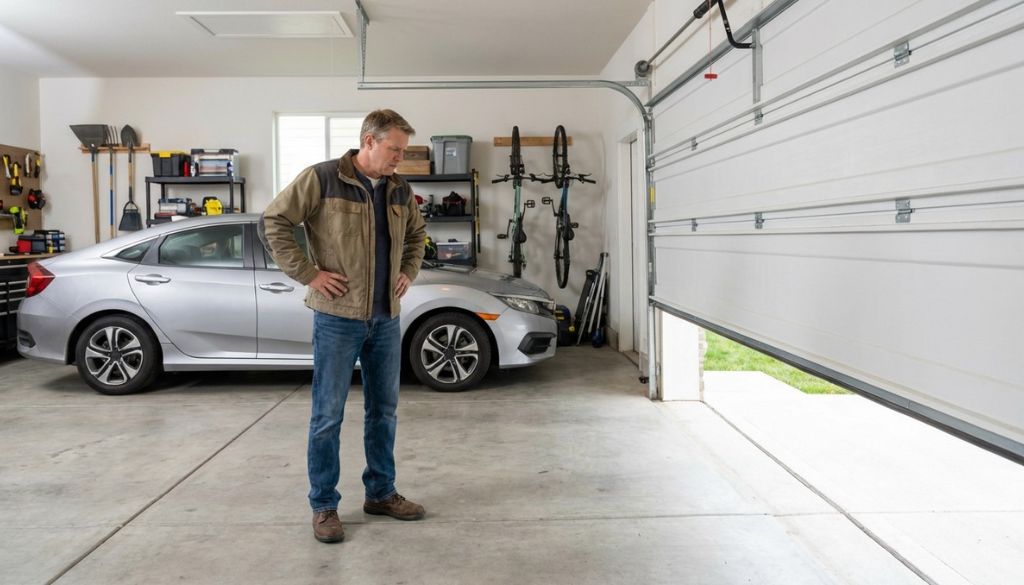
If your garage door refuses to close, it can be more than just a minor inconvenience, it’s a security risk for your home. Before calling in the professionals, there are several solutions you can attempt to troubleshoot and fix this issue yourself. From checking the sensor alignment to inspecting the rollers, these practical steps can help restore your garage door’s proper function. In this guide, we outline seven effective solutions, complete with tips from experienced garage door specialists at A1 Garage Doors Gold Coast, ensuring that you’re well-equipped to handle this common problem efficiently and safely.
Why Won’t my Garage Door Close?
If your garage door won’t close, it poses a security risk and inconvenience. Before calling a professional, several solutions can help troubleshoot the issue. Key steps include checking sensor alignment, inspecting rollers, and ensuring tracks are clear of debris. This guide provides seven practical solutions, supported by expert tips from A1 Garage Doors Gold Coast, to help restore functionality and safety to your garage door. By understanding these troubleshooting strategies, homeowners can address common problems effectively, ensuring a smoothly operating garage door system.
Garage Door Won’t Close – Takeaways
* Ensure sensor alignment to prevent garage doors from malfunctioning and not closing properly.
* Regularly troubleshoot remote control connectivity to maintain seamless garage door operation.
* Address garage door obstructions like debris to enhance safety and functionality.
* Reprogram remote control for enhanced connectivity and security against unauthorized access.
* Seek professional repair services for complex garage door issues to ensure safety and longevity.
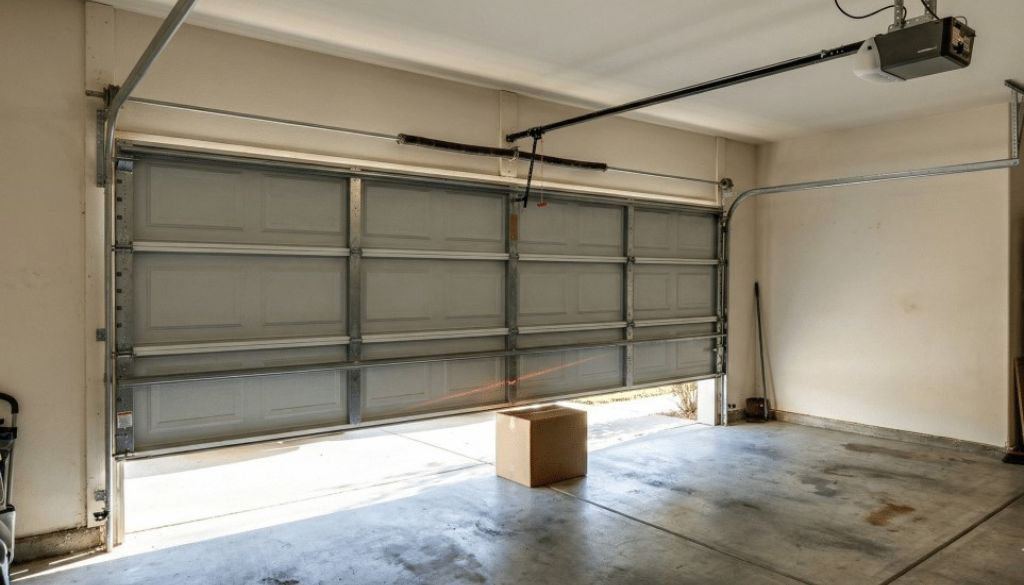
Understanding the Basics of Your Garage Door System
Grasping the fundamentals of your garage door system is crucial for effective troubleshooting and maintenance. From the door’s core mechanism to the intricate opener motor, understanding each element’s function can ensure smooth operation. The garage door operates through a complex interplay between tracks, rollers, remote control, and the opener. This knowledge empowers homeowners to address minor door repairs and track alignments more confidently. Dive deeper into how the garage door mechanism works and common troubleshooting checks to keep your system running smoothly.
How the Garage Door Mechanism Works
The garage door mechanism integrates various components to create a seamless operation. At its heart is the opener motor, responsible for powering the movement along the tracks. The system relies on rollers that glide effortlessly within the tracks, ensuring a smooth ascent and descent of the door. The balance between torsion springs and counterweights further facilitates the door’s motion. An understanding of this setup allows you to identify potential issues, like misaligned tracks or faulty rollers, and take preventive measures. Remember, regular maintenance of the opener and tracks keeps your garage door functioning effectively.
Common Garage Door Won’t Close Troubleshoot Checks
Conducting regular checks can prevent your garage door from getting stuck or failing to close properly. Start by inspecting the opener motor and rollers for signs of wear. Make sure the tracks are aligned and free from debris, which could impede the door’s movement. The remote control should be tested for battery life and proper connectivity with the opener. Regularly care for these components to avoid costly repairs. Never underestimate the power of cleaning and lubricating the tracks and rollers to enhance performance. These basic checks ensure a seamless garage door experience.
Checking the Door Sensors for Alignment Issues
If you’re wondering why your garage door won’t close, checking the door sensors might reveal the culprit. These sensors, also known as photo eyes, ensure your garage door closes safely without any obstructions. When misaligned, the sensors can prevent the door from closing, making a quick repair necessary. Ensuring your door sensors are properly aligned not only keeps your door functional but also safe for everyday use. Let’s explore how to spot malfunctioning sensors and the steps to realign them effectively for optimal performance.
| Issue | Cause | Solution | Preventative Tips |
| Sensors Misaligned | Bumped or shifted from position | Loosen the screws, adjust the sensors until they face each other, and tighten the screws back | Routinely check sensor alignment during seasonal garage maintenance |
| Obstruction | Debris or objects blocking sensor path | Clear any debris or objects from the sensor path | Regularly inspect the area around sensors to ensure it’s clear of obstructions |
| Sensor Lens Dirty | Dirt or grime on sensor lens | Gently clean lenses with a soft, dry cloth | Periodically wipe sensor lenses to keep them clean |
| Wiring Issues | Loose or damaged wires | Inspect wiring for damage, tighten connections, or replace if necessary | Check wire connections periodically and ensure they’re secure |
Signs of Malfunctioning Garage Door Sensors
Malfunctioning garage door sensors can often go unnoticed until your door refuses to close. The key indicator is a blinking light on the sensors, which typically signals misalignment. Additionally, your garage door may partially close and then reopen unexpectedly. This happens when the sensors misinterpret an obstruction. Regular maintenance can help identify these issues early. If dirt or debris blocks the sensors or they seem off-kilter, it’s time to take action. Addressing these problems promptly ensures your door closes seamlessly, safeguarding your home against unnecessary exposure.
Adjusting and Re-aligning Door Sensors
Adjusting and re-aligning your door sensors is a relatively straightforward process that can often be handled without professional help. Start by ensuring the sensors, or photo eyes, are clean and free from dirt. If the garage door is still not closing, check that the brackets holding the sensors are tight, as loose fittings can cause misalignment. Adjust the photo eyes so they face each other directly across the garage. A perfect alignment should yield a steady light, confirming the repair is successful. Regularly checking these components prevents further door repairs and keeps the opener functioning smoothly.
The Role of Remote Control in Garage Door Functionality
Remote controls are a vital aspect of modern garage door systems, providing convenience and seamless operation. A malfunctioning remote can disrupt your daily routine, making it crucial to understand its role in the overall functionality of the garage door. By recognizing common issues related to the remote control and understanding how to reprogram it, you can keep your door working efficiently. From troubleshooting connectivity to enhancing the remote’s signal reach, mastering these aspects will make your home entry much simpler and eliminate unnecessary door repair headaches. If you’ve ruled out sensor issues but the problem persists, it may be related to a garage door remote not working issue that prevents the opener from responding correctly.
Troubleshooting Common Remote Control Issues
When your garage door refuses to budge, the remote control might be the root cause. Battery failure is often the simplest reason; replacing them often solves the problem. However, if fresh batteries don’t fix things, consider checking for interference from other devices that might disrupt the signal between the remote control and the garage door opener. Beyond superficial checks, examine if the opener motor light blinks, indicating a communication error. Addressing these common issues not only gets you back on track but also prevents future door repair interventions.
Reprogramming the Remote Control for Better Connectivity
Reprogramming your remote control can significantly enhance connectivity with the opener. Begin by resetting the opener motor, then follow the specific instructions for your remote. Usually, this involves pressing a “learn” button on the motor unit, followed by a button on your remote control to establish a new signal. This process ensures a secure and robust connection, minimizing disruptions. Regularly updating the remote’s programming isn’t just about connectivity; it protects your garage from unauthorized entry, offering peace of mind and security for your home.
Tackling Garage Door Obstructions
Dealing with garage door obstructions can be a frequent issue for homeowners, causing disruptions and potential safety hazards. Identifying these physical obstructions is crucial not just for immediate functionality but also for preventing future issues. Whether it’s debris clogging the tracks or misaligned rollers, understanding these obstacles can aid in swift resolution and minimal downtime. This focus on tackling obstructions will also explore strategies to prevent them from recurring, ensuring your door operates smoothly and safely.
Identifying Physical Obstructions in Your Garage
The first step to overcoming a garage door that won’t close is identifying physical obstructions that might be impeding its path. Common obstructions include debris like leaves, dirt, or smaller objects lodged in door tracks. Pay special attention to the rollers and the space where the door meets the ground, as blocks here can halt motion. Ensure the tracks are clear and check around the opener; objects might restrict its sensors and prevent closure. By systematically checking these areas and removing obstructions, you can restore normal functionality. Prioritize keeping these zones debris-free to avoid future disruptions.
Strategies to Prevent Future Door Obstructions
Preventing future physical obstructions involves a few proactive strategies. Regular maintenance is key, inspect and clean the tracks and rollers frequently to keep them clear of debris. Consider installing brush seals at the bottom of the door to block dirt and leaves from entering the garage. Additionally, ensure that items stored in the garage are placed away from the opener and door pathways. Set up a routine for weekly cleaning to prevent grime buildup on the tracks, ensuring the garage door closes smoothly and maintains its longevity. A well-maintained garage door is a functional one, keep it clear for peace of mind.
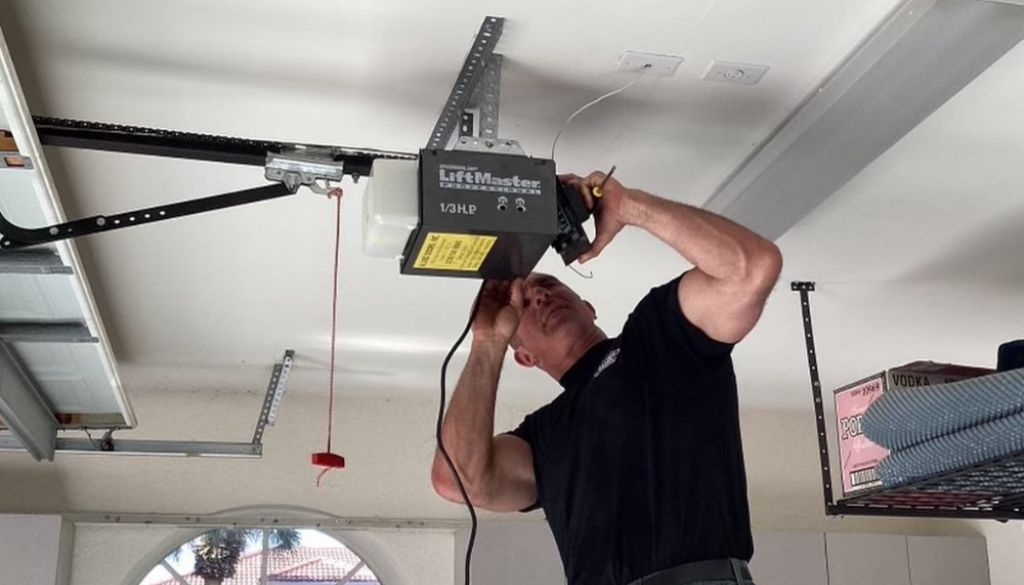
Delving Into Opener Repair Solutions
When your garage door refuses to close, the issue might lie in the opener, a crucial component of the entire system. Understanding when to tackle opener repair and mastering basic repair techniques can save both time and money. This part explores complete opener repair considerations and essential homeowner tips. By knowing the signs that call for professional intervention versus what you can fix yourself, you ensure your garage door operates seamlessly, enhancing both safety and convenience.
When to Consider a Complete Opener Repair
An opener repair becomes unavoidable when you’ve ruled out minor fixes like normal sensor adjustments or remote control battery changes. Persistent issues such as unusual noises, the door opening sporadically, or the opener light continuously flashing indicate deeper malfunctions. Factors like wear on tracks or issues with the motor justify comprehensive repair efforts. It’s crucial to weigh these symptoms against potential future costs, addressing them early can prevent more extensive damage. This proactive approach ensures your garage remains a convenient and secure entry point.
Basic Opener Repair Techniques for Homeowners
Homeowners can tackle several basic opener repairs, which can extend the life of their garage doors. Begin with checking the garage door opener’s sensitivity settings; incorrect settings can cause the door to stop midway. Tightening the brackets and examining the garage door tracks for alignment can solve common issues. Resetting the opener motor’s system offers a fresh start, clearing connectivity errors. As the remote control plays a part, ensure batteries are fresh and the opener’s programming is up-to-date. Regular upkeep can stave off costly repairs and keep the opener humming along smoothly.
To continue enhancing your knowledge on maintaining your garage door opener, consider these additional tips for effective upkeep and troubleshooting:
- Conscientiously lubricate all moving parts to prevent wear and tear.
- Inspect and replace any worn-out weather sealing to protect against elements.
- Test the auto-reverse function for safety compliance regularly.
- Ensure manual locks operate smoothly and are used properly.
- Optionally, install a surge protector to shield the system from power fluctuations.
With these measures, your garage door opener will remain reliable and efficient, reducing potential repair expenses.
Testing the Spring Mechanism of Your Garage Door
Inspecting the spring mechanism is vital for the safety and efficiency of your garage door. The springs balance the heavy weight of the door, enabling easy lifting by the opener or even manually. When they wear out, you might notice the door opening or closing unevenly, or it might not close at all. Ensuring it’s in perfect condition will prevent unnecessary wear on other components like the tracks and opener. Familiarizing yourself with the symptoms of spring issues is key to addressing them before they escalate. If your garage door still won’t close after basic troubleshooting, it may be time to consider garage door cable repair to restore safe and reliable operation.
Signs of Spring Wear and Tear
One of the first signs of a worn spring mechanism is a garage door that refuses to open smoothly. If your door opens slowly or with jerks, the springs might be losing their tension. A visual inspection can reveal gaps or slack in the coils, indicating they’re nearing the end of their lifespan. Listen for unusual sounds during operation, such as grinding or squeaking. These noises suggest the springs aren’t effectively balancing the door, requiring immediate attention. Keeping these pointers in mind ensures your door’s long-term performance and safety.
Dangers of Ignoring Spring-Related Problems
Ignoring problems with the spring mechanism can lead to severe consequences, both financially and in terms of safety. Springs bear the weight of the door, and a sudden failure could result in the door crashing down, risking damage to vehicles or injury to people. Furthermore, it places undue stress on the opener, leading to potential repair or replacement costs. Regular maintenance can avert these risks. Don’t postpone addressing spring issues, as attending to them promptly maintains a reliable and safe garage environment while avoiding unnecessary expenses.
When to Seek Professional Help for Garage Door Problems
Garage door issues can sometimes be straightforward, but knowing when to opt for professional help can save you from costly repairs and ensure your garage remains safe and functional. While minor problems like sensor misalignment or remote control signals can often be addressed by homeowners, more complex issues necessitate expertise. Understanding when your garage door needs expert attention and the advantages of professional garage door services can provide peace of mind and long-term benefits. If your existing door continues to experience recurring issues despite repairs, investing in professional garage door installation can provide a safer, more reliable long-term solution.
Determining if Your Garage Door Needs Expert Attention
Identifying when professional help is necessary involves recognizing signs like persistent unusual noises or the garage door opener’s inability to close the door fully. If you’ve exhausted basic solutions like adjusting the tracks or reprogramming the remote control without success, it may be time to consult a specialist. Other red flags include a visibly worn motor or damaged garage door components like torsion springs and cables. By seeking expert input, you prevent small issues from escalating into significant, costlier repairs while ensuring the safety and integrity of your garage door system.
Benefits of Professional Garage Door Services
Professional garage door services offer several advantages beyond simple repairs. Technicians bring specialized tools and knowledge to efficiently diagnose and fix issues, preventing potential future damage to the garage door system. Their expertise ensures that complicated components like the opener motor and springs are handled safely. Moreover, professionals often provide maintenance tips that prolong the lifespan of your garage door. Choosing professional help not only resolves immediate problems but also enhances long-term performance and security, making it a worthwhile investment for any homeowner facing recurring garage door challenges.
FAQs
How to fix a garage door when it won’t close?
First, check the safety sensors located on each side of the garage door for proper alignment and cleanliness. Ensure that they are facing each other and free of any obstructions. Next, examine the tracks to make sure they are clear and aligned. Finally, inspect the remote and wall switch to confirm they are functioning correctly. If issues persist, professional assistance might be necessary.
Why won’t my garage door close when there’s nothing in the way?
The issue might be with the safety sensors. Sometimes, sunlight or other lighting interference can affect the sensor operation, or the sensors may simply be misaligned or dirty. Cleaning and aligning them usually resolves the issue. If problems continue, ensure that the garage door opener’s force settings and limits are properly configured.
Why does my garage door not closing properly when it goes down and goes right back up?
This problem typically indicates an issue with the door’s travel limits or balance. You may adjust the travel limit screws on the garage door opener to properly set where the door should stop. Additionally, check for any binding or obstacles on the tracks that could trigger the auto-reverse function.
How do I force close a garage door?
To manually close a garage door, first disconnect the opener by pulling the emergency release cord. This cord is usually red and located near the front of the garage door opener mechanism. Safely lower the door while ensuring the area is clear of obstructions. Proceed with caution, as manual operation can be hazardous if not handled appropriately.
What would cause a garage door opener to open but not close?
Several factors could cause this issue, such as misalignment of the safety sensors, a problem with the wall switch or remote, or faulty wiring. Inspect these components, paying special attention to the sensors, to ensure they are clean and correctly aligned. If the issue persists, consult a professional for further diagnosis.
How to override garage door close?
If you need to bypass the automatic systems to close a garage door, you can do so manually. Disconnect the garage door by pulling the emergency release cord, then manually lower the door. Note that overriding should only be a temporary solution. Ensure to troubleshoot the problem or seek professional repair services from A1 Garage Doors Gold Coast for a permanent fix.
Engaging with professional garage door services offers numerous benefits that extend beyond basic repair, ensuring safety, efficiency, and longevity:
* Enhanced Safety: Professionals have the expertise to manage complex garage door systems safely, minimizing the risk of accidents or injuries.
* Precision and Expertise: Trained technicians bring a level of precision and technical knowledge that ensures repairs and installations are done right the first time.
* Time Efficiency: With professional services, the job is completed quickly and efficiently, reducing downtime and inconvenience.
* Warranty and Peace of Mind: Most professional services offer warranties on parts and labor, providing assurance and peace of mind to homeowners.
* Cost-Effective Solutions: Professionals can identify and address potential issues early, preventing more costly repairs or replacements in the future.
* Prolonged Lifespan of Equipment: Regular maintenance and professional care can significantly extend the life of your garage door system.
Investing in professional garage door services not only enhances the safety and functionality of your home but also protects your valuable investment for years to come.
