Signs Your Garage Door Motor Needs Repair
Motor not responding
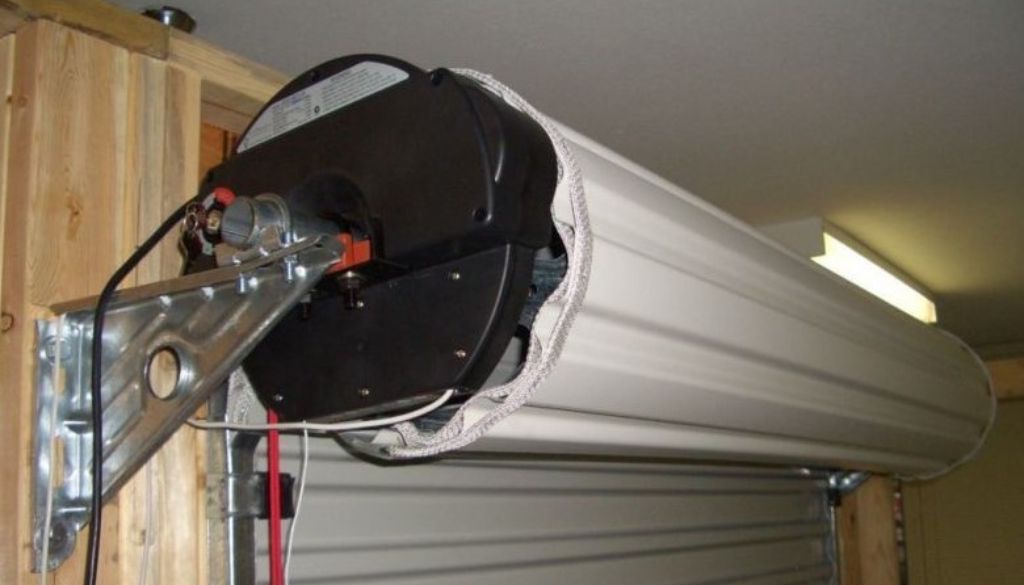
A motor that’s completely dead — no hum, no movement when you press the remote or wall button — usually points to a power supply fault, a tripped circuit, or a failed control board. Before assuming the worst, it’s worth a few quick checks (covered further down), but a motor that won’t respond after those is a job for a technician.Unusual motor noises
Grinding, clicking or a loud hum without movement are classic symptoms of worn drive gears, a seized motor, or a stripped trolley. Many openers use a plastic main gear that wears out over years of use — it’s a common, repairable fault if caught before the strain damages the motor itself.Slow or inconsistent operation
A door that opens slowly, hesitates, or responds intermittently often signals a tiring motor, failing capacitor, or a door that’s become hard to lift. A struggling motor is frequently fighting a mechanical problem in the door rather than failing on its own.Door reverses or stops unexpectedly
If the door starts, then bounces back or stops mid-travel, the cause is usually a safety sensor misalignment, incorrect force settings, or an obstruction in the tracks. This is a safety feature working as intended — the fix is recalibration, not overriding it.Common Garage Door Motor Problems
Electrical faults. Blown capacitors, failed control boards, wiring issues and power surges (common during Gold Coast summer storms) are among the most frequent causes of motor failure. Remote control issues. Flat batteries, a deprogrammed remote, or interference can all leave the door unresponsive. Often this is the cheapest fault of all to resolve. Safety sensor problems. Misaligned or dirty photo-eye sensors stop the door closing. A knock, a spider web or strong sunlight on the lens can be enough to trigger it. Mechanical component failures. Worn gears, a damaged drive belt or chain, and a strained trolley put extra load on the motor. Left unaddressed, a mechanical fault will burn out an otherwise healthy motor. If you’re not sure which of these you’re dealing with, our garage door troubleshooting guide helps narrow it down before you book. If your existing opener is beyond repair, our roll up motor installation service provides a reliable upgrade that restores smooth, secure, and efficient operation for your garage door.Troubleshooting Before You Call a Technician
A few safe checks can save a callout. Confirm the opener is receiving power and the circuit hasn’t tripped. Replace the remote batteries and try the wall button — if the wall button works but the remote doesn’t, it’s a remote issue, not a motor one. Check the photo-eye sensors are aligned and their lenses are clean, and look for any obstruction in the tracks. Finally, pull the manual release and lift the door by hand: if it’s heavy or jerky, the problem is the door (often the springs), and the motor is simply struggling against it — which is exactly when garage door spring replacement becomes relevant. If these checks don’t resolve it, it’s time to call us.
Garage Door Motor Repair Services
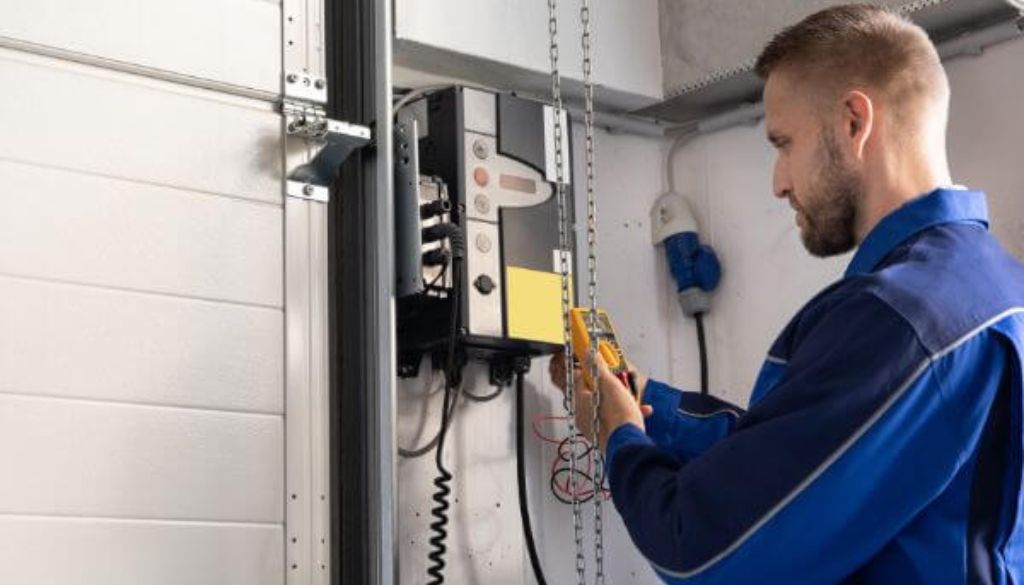
Motor diagnostics and testing. We run a full diagnostic to identify the true fault rather than just the symptom — testing the motor, control board, capacitor, sensors and force settings. Motor repairs. Gear and belt replacement, capacitor and control-board repairs, sensor realignment, remote reprogramming and force recalibration. Motor replacement. Where a motor is beyond economical repair, we supply and fit a suitable replacement opener and dispose of the old unit. Safety system repairs. Photo-eye sensor repairs, force-setting adjustment and full safety testing so the door reverses correctly on contact. For curtain-style doors specifically, this work sits alongside our broader roller shutter garage door repairs.Repair or Replace: Which Option Is Best?
When repairs make sense. If the motor is under roughly 10 years old and the fault is a single component — a gear, capacitor, sensor or board — repair is almost always the smarter spend. A worn gear set, for example, is far cheaper than a new opener. When replacement is better. Aging motors with repeated breakdowns, obsolete units where parts are no longer available, or a motor that’s actually burnt out are better replaced. Throwing repairs at a failing unit rarely pays off. If your existing opener is beyond repair, a garage door motor replacement can restore smooth, reliable operation while improving the safety and convenience of your garage door system. Benefits of upgrading. A modern opener brings smoother, quieter operation, better safety features, and the option of a Wi-Fi smart motor you can operate and monitor from your phone — handy if you’re often away or managing a property remotely. If you’re weighing up a new unit, our garage door opener comparison breaks down the options.Garage Door Motor Brands We Service
We repair and replace all major motor and opener brands found in Australian homes and businesses, including B&D, Merlin, Gliderol, Steel-Line, Centurion and Stratco. That covers residential openers, commercial operators and heavier industrial door motors, so most jobs are completed without waiting on hard-to-source parts.What Happens During a Motor Repair Appointment
Our technician begins with a full inspection — running the door through its cycle and testing the motor, sensors, remote and force settings to diagnose the real fault. You’ll then get clear repair recommendations with upfront pricing before any work starts. Most repairs are completed on the spot thanks to well-stocked service vehicles, and we finish with safety testing: force testing, sensor testing and a full operational run to confirm the door is safe and smooth before we leave.